
-
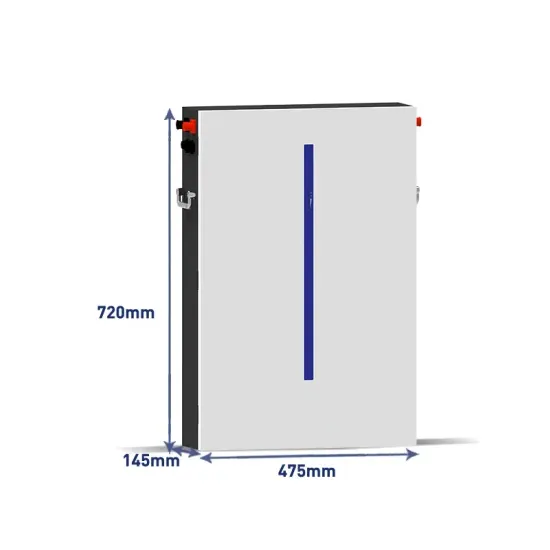
Solar panels are called photovoltaic panels
Solar modules and solar panels refer to essentially the same component of a photovoltaic system – the unit that converts sunlight into electricity. The most commonly employed semiconductor is silicon. When sunlight hits these materials, photons excite electrons, creating an electric current in a process known as the. .
[PDF Version]
-
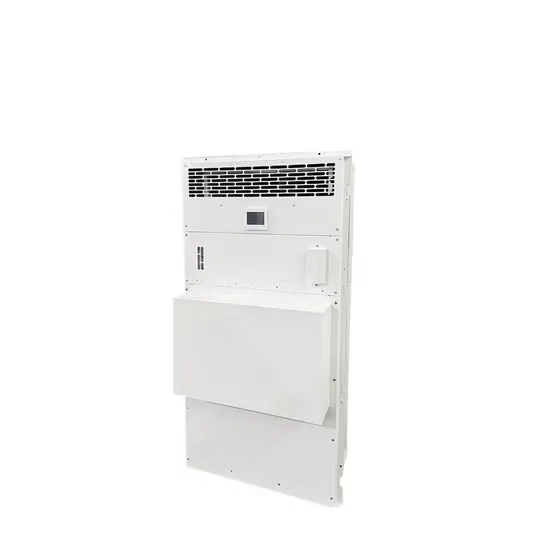
How big are the solar screws for photovoltaic panels
Most PV bracket screws fall into the M8 to M12 range (metric thread sizes), but here's the twist – size alone doesn't tell the whole story. Let's break it down: A 2023 NREL study revealed that 23% of solar installation delays stem from improper fasteners. . vital for solar panels' optimal performance and longevity. Overview of Types of Solar Panel M steners hold a pivotal role in photovoltaic. . The screws used in photovoltaic (PV) brackets aren't just hardware store leftovers – they're the unsung heroes holding your renewable energy system together. But exactly how big should these tiny titans b HOME / How Big Are the Screws for the Photovoltaic Bracket? Let's Tighten the Facts How Big. . When it comes to solar panel mounting, choosing the right screws/bolts for your solar mount is crucial for a safe and secure fit. Here are a few key factors to consider when making your selection: 1. Understanding which fasteners provide secure, long-lasting connections helps us ensure that our solar installations are safe and efficient for years to. . Ground screws are becoming increasingly popular for solar installations due to their speed of installation, environmental friendliness, and robust performance.
[PDF Version]
-
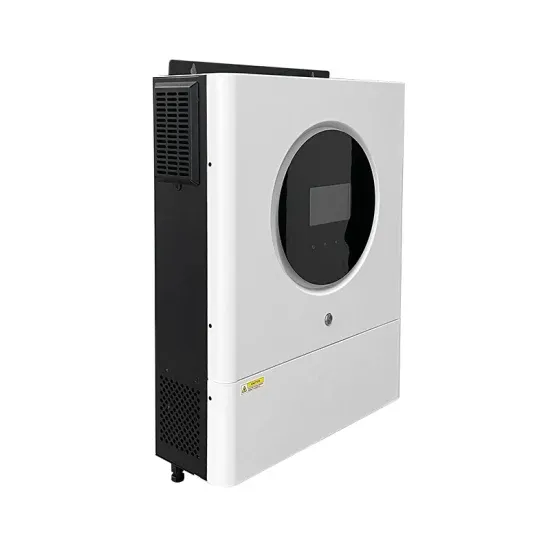
Solar photovoltaic panels are leaking seriously
This article provides a practical, step-by-step guide to identifying, diagnosing, and addressing solar panel roof leaks, with emphasis on flashing, sealants, maintenance, and warranty considerations. . Solar panel roof leaks combine the complexity of roofing and electrical systems, demanding careful diagnosis and coordinated repairs. Understanding how. . In virtually all cases, the answer is no. Roof leaks after solar panels are extremely rare. In the worst-case scenario, roof damage from solar panels can even lead to leaking within a home, which could cause further complications and safety concerns for. . Today we're watching this real-life solar panel roof leak disaster unfold. But don't worry—you're not alone, and this issue is more common than you might think. ” This article examines the real risks, common failure points, inspection steps, and practical prevention and repair strategies to protect roofing integrity while enjoying solar energy benefits.
[PDF Version]
-
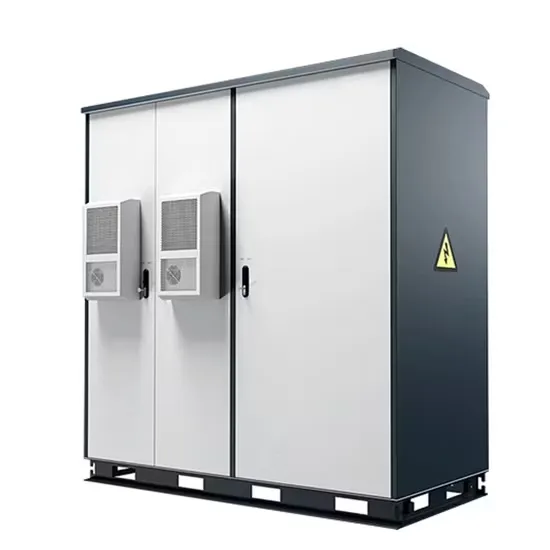
New solar photovoltaic panel roof
This guide covers everything you need to know about solar roof panels — including costs, brands, installation tips, and how to make the most of your investment. The glass solar tiles and steel roofing tiles look great up close and from the street, complementing your home's natural styling. Schedule a virtual consultation with a Tesla Advisor to learn more.
[PDF Version]
-
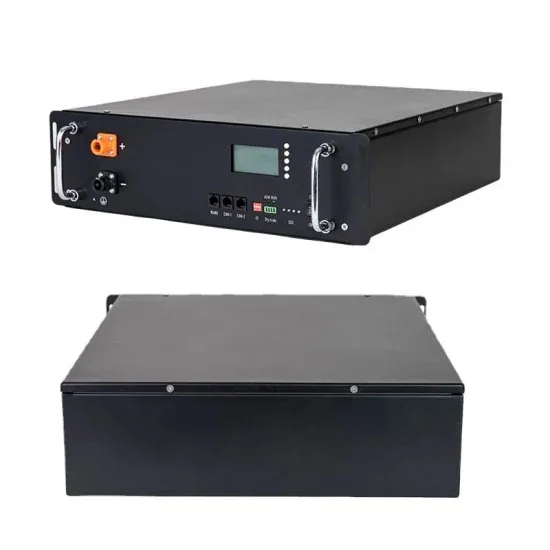
Box-type solar photovoltaic panels
Compare monocrystalline, polycrystalline, and thin-film solar panels. Made from single silicon crystals, monocrystalline panels offer the highest efficiency and best performance per. . Discover the six main types of solar panel, including thin-film, perovskite, and the best type for your home: monocrystalline. For a traditional rooftop solar. . These advances are making solar technology more powerful, affordable, and versatile, accelerating the adoption of solar energy technology across residential, commercial, and utility-scale projects.
[PDF Version]
-
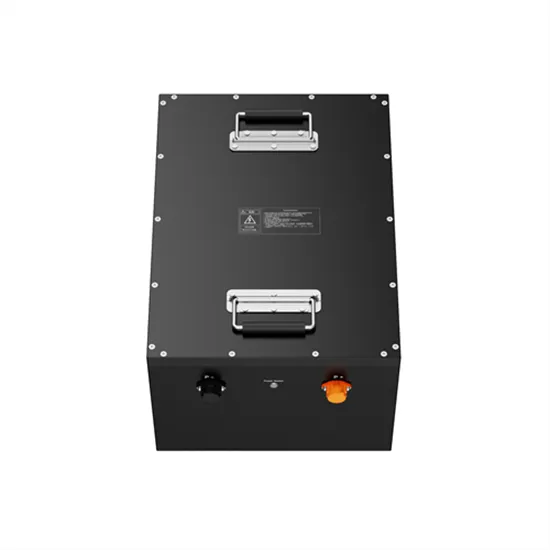
Is the photovoltaic power generation of solar panels connected to an electricity meter
When connected to the grid, your solar panel system is connected to the electrical grid via a bidirectional electricity meter. Some PV cells can convert artificial light into electricity. Sunlight is composed of photons, or particles of solar energy. This meter measures the excess energy you send to the grid when your solar panels produce more than you need, and the amount of energy you draw from the grid when your. . Solar energy can be harnessed two primary ways: photovoltaics (PVs) are semiconductors that generate electricity directly from sunlight, while solar thermal technologies use sunlight to heat water for domestic uses, to warm buildings, or heat fluids to drive electricity-generating turbines.
[PDF Version]
 MENU