
-
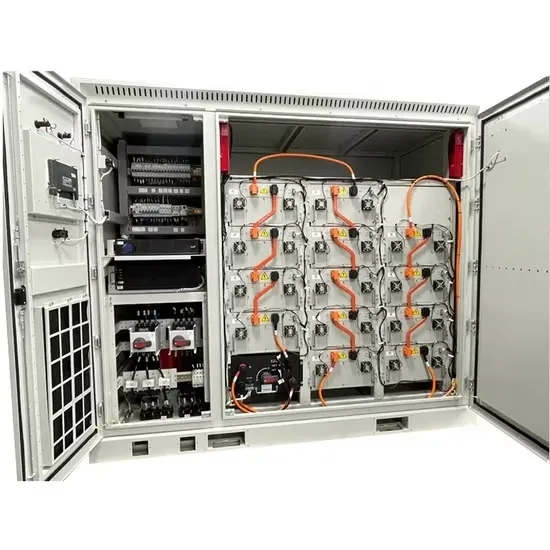
Peru base station lithium battery
Peru is evaluating a potential lithium iron phosphate (LFP) battery production plant in the department of Moquegua, which would be the first such facility in Latin America. Our advanced-stage Falchani project is the 6th largest hard-rock lithium deposit in the world. . If you're planning to deploy or upgrade base stations in Peru, understanding energy storage battery prices is critical. The telecom and energy sectors are witnessing rapid growth, driven by increasing connectivity demands and renewable energy adoption. A comprehensive understanding of application-specific demand scenarios is. . American Lithium recently released an updated Preliminary Economic Assessment (PEA) for its Falchani lithium project, showing strong improved economics with an after-tax NPV of $5. It benefits from a highly sustainable business model in a geopolitically “friendly” jurisdiction. Even though the region is rich in battery minerals, most of the output is exported due to a lack of midstream and downstream. . Intelligent energy storage lithium battery can effectively protect the base station battery in the event of the accidental short circuit, lightning shock, and other conditions, timely.
[PDF Version]
-
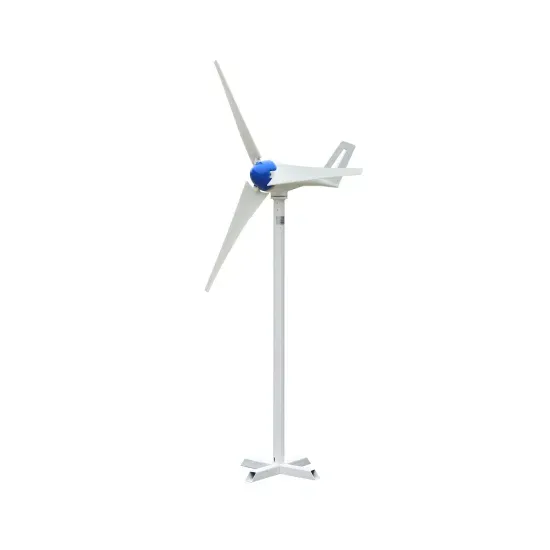
Ecuador solar container lithium battery storage cabinet price and base station
Recent pricing trends show standard industrial systems (1-2MWh) starting at $330,000 and large-scale systems (3-6MWh) from $600,000, with volume discounts available for enterprise orders. . Let's cut to the chase: battery energy storage cabinet costs in 2025 range from $25,000 to $200,000+ – but why the massive spread? Whether you're powering a factory or stabilizing a solar farm, understanding these costs is like knowing the secret recipe to your grandma's famous pie. When exclusively considering two-hour sites the median of battery project costs are £650k/MW. 5 kWh/m²/day, Ecuador offers ideal conditions for deploying solar panel battery systems, both off-grid and hybrid, across diverse environments—from the Andes to the Amazon to the Pacific coast. While solar panels generate electricity during. . quality shipping containers for div ve path to energy security and sustain ergy storage container solutions in Guayaquil? This guide breaks down market trends, pricing factors, and real-world app able PV panels and 100-500kWh battery st y storage, along . Your gateway to wholesale profits starts here—partner with us today! Highjoule offers a wide range of solar and energy storage products for various scenarios in Ecuador, including C&I, residential, and off-grid solutions. We provide customized options and support for local partners.
[PDF Version]
-
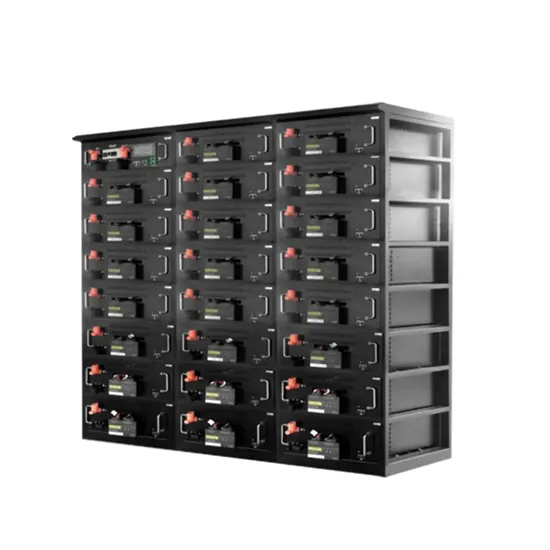
Communication base station backup lithium battery manufacturer
When natural disasters cut off power grids, when extreme weather threatens power supply safety, our communication backup power system with intelligent charge/discharge management and military-grade protection becomes the "second lifeline" for base station equipment. . If so, let's get to know the right LiFePO4 manufacturers? Grepow Battery is the right LiFePO4 battery manufacturer, who researches and makes LiFePO4 cells that are made from a proprietary battery raw material formula, high temperature resistance, high energy density. 3 and other international certifications. Equipped with advanced automated. . ONESUN (OneSun Power) is dedicated to delivering professional battery backup systems for the telecommunications industry, offering a rich and mature portfolio of energy-storage products and solutions showcased on its official website. 45V output meets RRU equipment. . ECE 51.
[PDF Version]
-
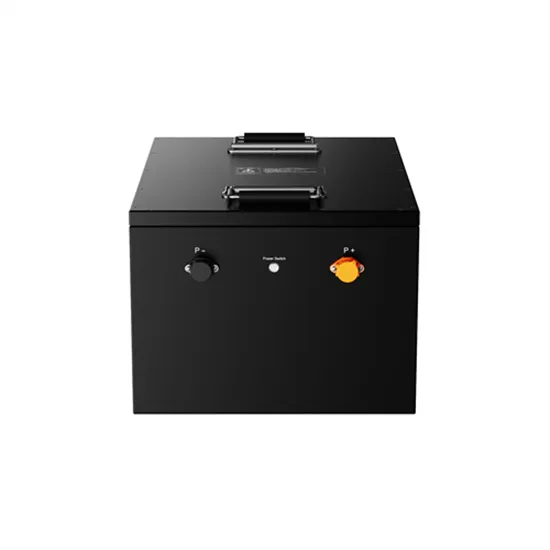
Does the communication base station lithium-ion battery have a small battery
Micro base stations, often with limited space, often use smaller-capacity (e., 50Ah, 100Ah) 12V lead-acid battery packs or smaller lithium-ion battery packs, installed in integrated cabinets. Indoor distribution systems are typically installed in weak current shafts or. . These factors collectively make communication batteries for base stations a highly specialized and mission-critical component. However, their applications extend far beyond this. They are also frequently used. . Cell Selection: A 48V 100Ah battery pack is typically composed of 15 or 16 LiFePO4 cells (each with a nominal voltage of 3. The cell capacity, such as 100Ah, can be achieved through direct parallel connection or modular design. Operators prioritize energy storage systems that reduce reliance on diesel generators, which account for 30-40% of operational costs. . Energy storage lithium batteries have been used in the field of communications for a relatively long time, and the technology chain has certain development progress, while the development potential of energy storage lithium batteries in the field of communications is huge.
[PDF Version]
-
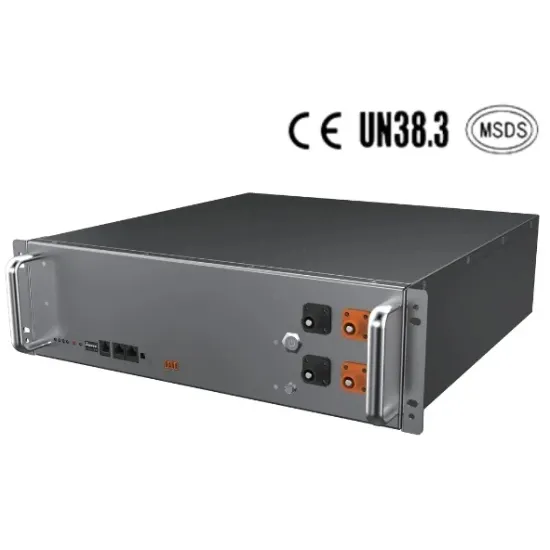
How much is the battery current limit for a communication base station
PACE communication base station solution covers 50-200 ampere current, supports 5-20 ampere charging current limit, and supports up to 64 sets of batteries in parallel to meet diverse needs. Selection and maintenance of batteries for communication base. 1 Long Standby. . Compatibility and Installation Voltage Compatibility: 48Vis the standard voltage for telecom base stations,so the battery pack's output voltage must align with base station equipment requirements. Key Requirements: Capacity & Runtime: The battery should provide sufficient energy storage to cover potential power. . Abstract: Cellular base stations (BSs) are equipped with backup batteries to obtain the uninterruptible power supply (UPS) and maintain the power supply reliability. While maintaining the reliability,the backup batteries of 5G BSs have some spare capacity over time due to the traffic-sensitive. . When natural disasters cut off power grids, when extreme weather threatens power supply safety, our communication backup power system with intelligent charge/discharge management and military-grade protection becomes the "second lifeline" for base station equipment.
[PDF Version]
-
Communication base station flow battery photovoltaic energy
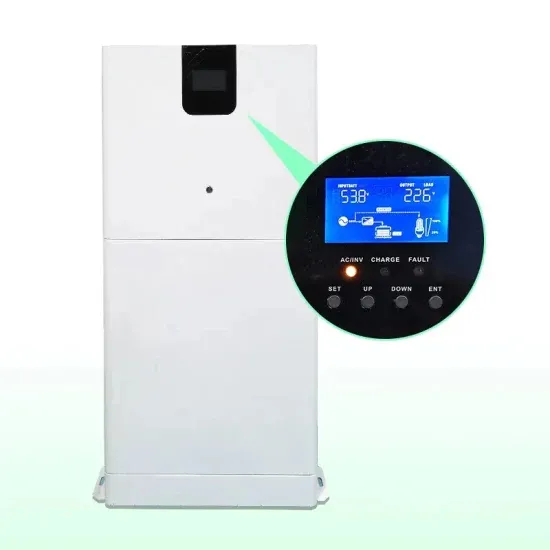
The communication base station installs solar panels outdoors, and adds MPPT solar controllers and other equipment in the computer room. The power generated by solar energy is used by the DC load of the base station computer room, and the insufficient power is supplemented. . Summary: This article explores how integrating photovoltaic (PV) systems with energy storage can revolutionize power supply for communication base stations. Learn about cost savings, reliability improvements, and real-world case studies driving adoption in telecom infrastructure. In this study, the idle space of the. Lithium-ion cells are the primary energy storage units, chosen for their high energy density, long. . Communication base stations consume significant power daily, especially in remote areas with limited access to traditional electricity grids. Here's where solar energy systems come into play. By installing PV and solar setups, companies can reduce grid dependency and ensure a more stable power. .
[PDF Version]
 MENU