
-
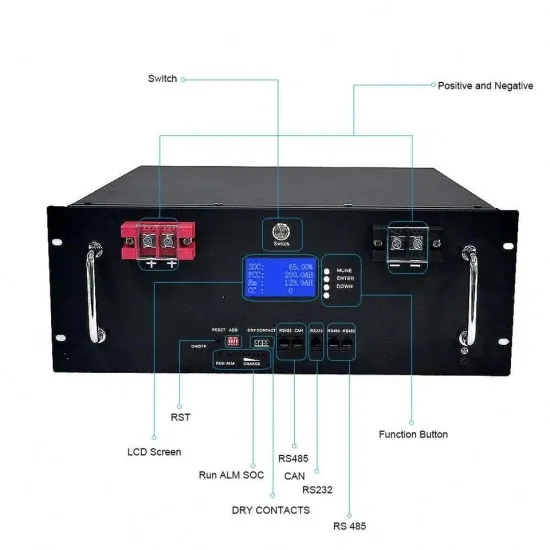
What are the energy storage intelligent central control systems
To scale effectively, energy storage solutions must incorporate control intelligence. BMS solutions provide real-time thermal regulation, degradation modeling, and integration with utility systems. Today's electrical environments must cope with fluctuating loads, intermittent. . Energy storage control systems play a pivotal role in the functionality and reliability of modern power grids. An EMS needs to be able to accommodate a variety of use cases and regulatory environments. Introduction Energy storage applications can. . The electric power generation industry is undergoing a transformational change through the adoption of advanced energy storage system control systems. With intelligent monitoring capabilities, it enhances energy efficiency. .
[PDF Version]
-
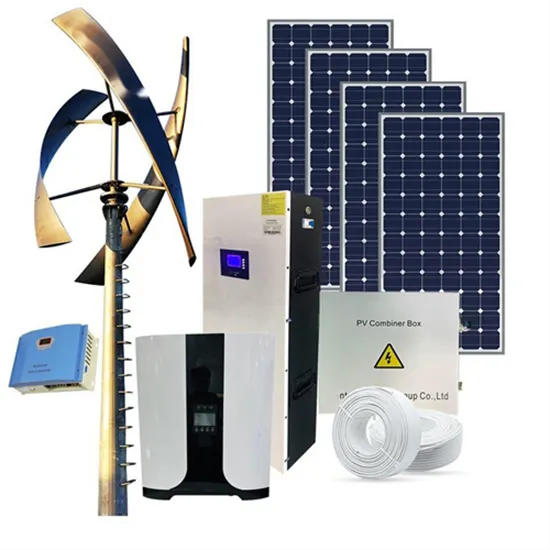
Intelligent sliding mode fault-tolerant control of microgrid
Abstract: This work investigates sensor fault diagnostics and fault-tolerant control for a voltage source converter based microgrid (model) using a sliding-mode observer. . Describing the networked inverter in an AC microgrid as a multi-intelligent system and considering the voltage restoration problem as a tracking problem, a finite-time quadratic control strategy for microgrid voltages considering cyber-attacks is proposed. Some literature has proposed relevant solutions for actuator and sensor faults in microgrids., magnitude, phase, and harmonics) occurring simultaneously or. .
[PDF Version]
-
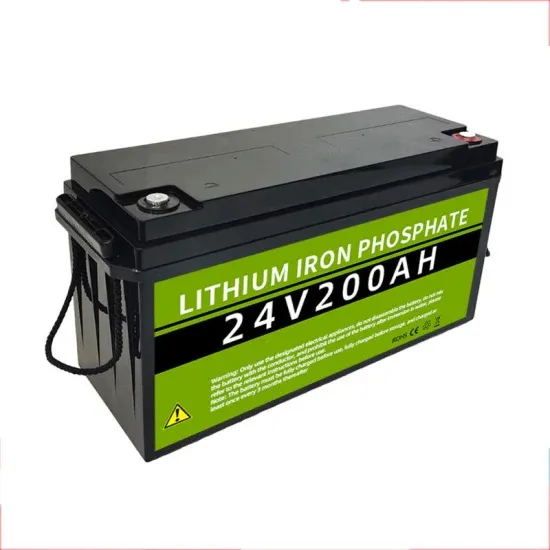
Solar intelligent traffic control system
Solar-powered traffic management systems leverage renewable energy to power devices such as traffic signals, cameras, and variable message signs. By reducing reliance on traditional electricity sources, cities can lower energy costs while ensuring continuous traffic flow, even in locations with unstable or limited grid. . This system relies on an Arduino Mega to manage traffic flow at the roundabout, powered by a standalone DC photovoltaic solar system. IR motion sensors detect congestion, while LCD displays guide drivers by showing available traffic directions. LED traffic lights regulate access to the roundabout. . Each crossing leg consists of a three-pole system, two curb units with buttons and a median unit with no buttons. City of Scottsdale has installed its second RRFB system using equipment manufactured by STC. By. . This solution adopts Noble OPTO second-generation wireless controller. It is convenient for construction. These energy-efficient tools not only reduce costs but also minimize environmental impact, making them a smart choice for sustainable safety.
[PDF Version]
-
Brazilian solar energy intelligent control system supply
Power Factors has successfully completed the deployment of its supervisory control and data acquisition (SCADA), power plant controller (PPC), and central monitoring system (CMS) of a 390 MW solar plant in Brazil. With several. . Brazil is the largest electricity market in Latin America, the world's seventh-largest consumer electricity market, and has the third largest renewable energy generation capacity in the world, according to data from the U. Energy Information Administration (EIA). And for good reason—until 2010, the country had only a few dozen megawatts installed in the form of isolated systems distributed throughout the country, mainly in. . Prioritize high-growth segments such as off-grid and residential applications, which are expected to drive substantial market expansion due to increasing rural electrification and decentralized energy needs.
[PDF Version]
-
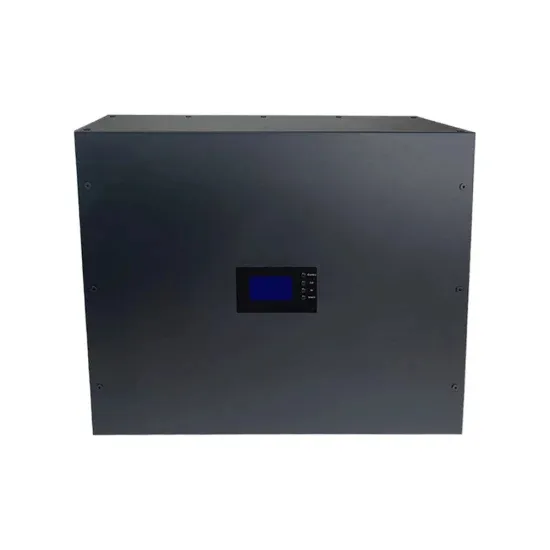
Pv distributionized cells for sports stadiums vs photovoltaics
Direct Answer: Centralized photovoltaic systems are large-scale solar installations that generate electricity for wide distribution through the electrical grid, while distributed/household photovoltaic systems are smaller installations located at or near the point of. . Direct Answer: Centralized photovoltaic systems are large-scale solar installations that generate electricity for wide distribution through the electrical grid, while distributed/household photovoltaic systems are smaller installations located at or near the point of. . By utilizing photovoltaic systems, sports complexes can reduce their reliance on conventional energy sources, subsequently lowering energy costs and minimizing environmental footprints. The key. . Italian researchers design a sun-tracking PV tensegrity roof for stadiums, increasing solar energy output by up to 54% with lightweight flexible panels. In a significant stride towards sustainable energy solutions for sports facilities, researchers from the University of Salerno and the University. . The sports industry, an influential global entity, is increasingly moving towards sustainability, with solar energy emerging as a key player. This shift towards renewable energy, particularly photovoltaic technology, is not just a trend but a commitment to environmental responsibility.
[PDF Version]
-
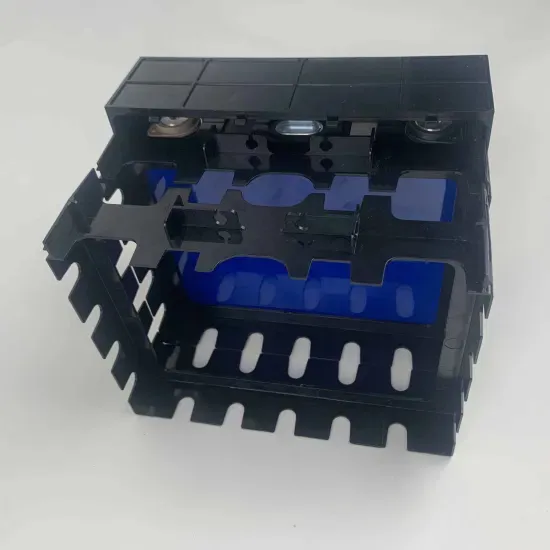
Vertiv PV Inverter
It is designed to work with any existing DC power system to maximize availability at network edge sites with hours of AC and DC backup. The integrated version helps you minimize energy consumption by combining up to 95% inverter efficiency with up to 97% rectifier efficiency. . Working with our Vertiv Sales team enables complex designs to be configured to your unique needs. Many customers work with a Vertiv reseller partner to buy Vertiv products for their. . Vertiv NetSure Inverters are a stand-alone system that supports AC loads from existing DC power systems and batteries and provide outstanding reliability, modularity and scalability. High efficiency and space-saving design. Request. . Vertiv (bit. ly/30ZFf0w) (NYSE: VRT), a global provider of critical digital infrastructure and continuity solutions, today introduced the Vertiv™ NetSure™ Inverter series (bit.
[PDF Version]
 MENU