
-
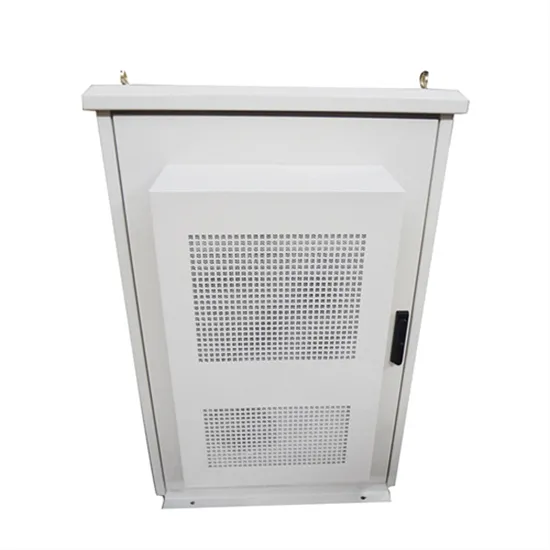
Energy storage solar container lithium battery customization
We provide customized energy storage solutions tailored to your market needs, backed by a strong R&D team and responsive after-sales service. Enjoy competitive prices with no middlemen. We offer factory-direct supply for bulk orders, OEM/ODM projects, and global distributors. . The Containerized Battery Energy Storage Solution (BESS) is an advanced Lithium Iron storage unit built into a customised 20ft or 40ft container. The unit is designed to be fully scalable to meet your storage requirements. Storage size for a containerised solution can range from 500 kWh up to 6. 5. . Compact solar generation systems (20KW–200KW) in 8ft–40ft containers, ideal for grid-connected urban and industrial applications. It is designed for commercial, industrial, and utility-scale applications, providing reliable power supply, peak shaving, and renewable. . We combine high energy density batteries, power conversion and control systems in an upgraded shipping container package. Serve as an emergency backup power source to ensure continuous. .
[PDF Version]
-
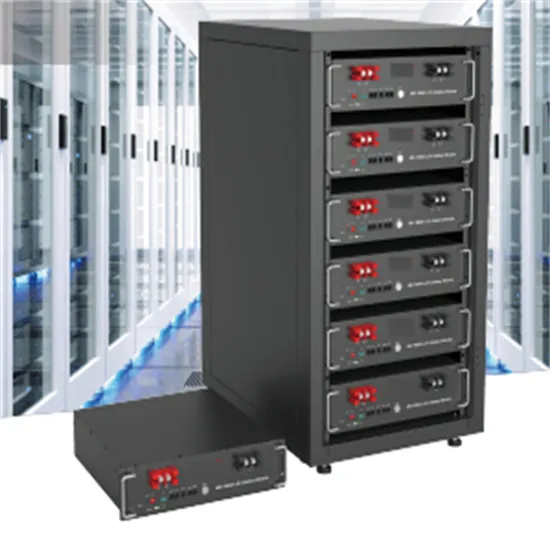
Magadan energy storage solar container lithium battery recommended source
Summary: Explore how Magadan's growing battery energy storage capacity addresses energy challenges in remote areas. Learn about industry trends, key applications, and data-driven insights into this critical sector. . The Magadan lithium battery energy storage project represents a groundbreaking initiative in Russia"s Far East, designed to stabilize regional grids and support renewable integration. Imagine. . By combining cold-weather resilience with smart energy management, this project sets a new benchmark for remote power solutions – one that"s already influencing storage designs from Siberia Summary: Explore how the Magadan Solar Energy Storage Project addresses energy reliability challenges in. . 1 375mw energy storage system in Panama Harnessing abundant solar resources, an eco-resort located off the coast of Panama has chosen advanced lead batteries, paired with a battery SunContainer Innovations - As energy demands rise across Magadan""s remote communities, households are turning to. . The Containerized energy storage system refers to large lithium energy storage systems installed in sturdy,portable shipping containers,which usually range from 5ft,10ft,20ft,and 40ft,and mainly focus on 50Kwh to 10Mwh.
[PDF Version]
-
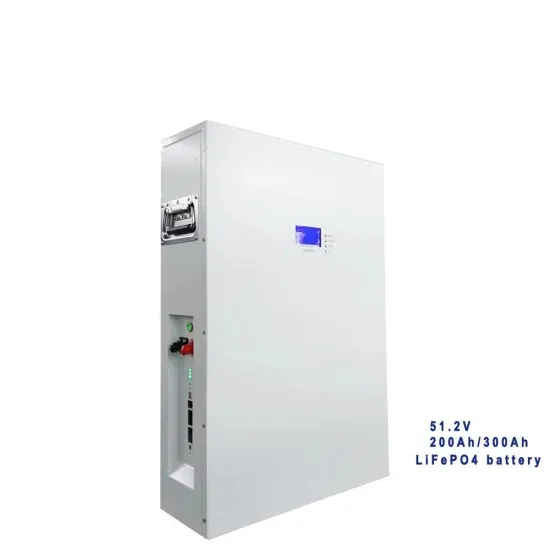
Factory container energy storage solar container lithium battery cost
In 2025, the typical cost of commercial lithium battery energy storage systems, including the battery, battery management system (BMS), inverter (PCS), and installation, ranges from $280 to $580 per kWh. Larger systems (100 kWh or more) can cost between $180 to $300 per kWh. . Learn how to break down costs for containerized battery systems – from hardware to hidden fees – and discover why 72% of solar+storage projects now prioritize modular designs. Let's decode the math behind your next investment. The projections are developed from an analysis of recent publications that include utility-scale storage costs. Department of Energy's (DOE) Energy Storage Grand Challenge is a comprehensive program that seeks to accelerate. .
[PDF Version]
-
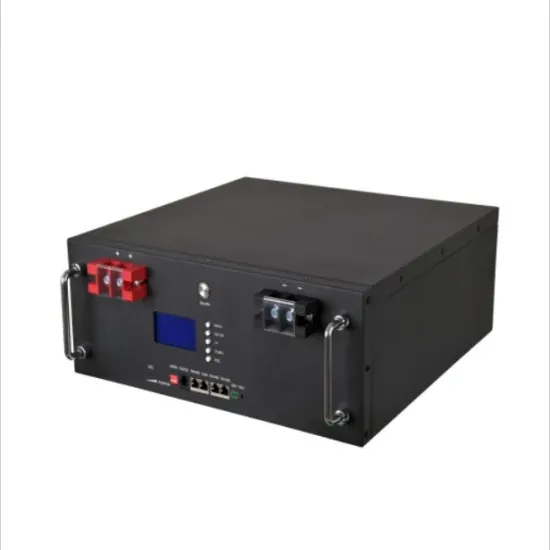
High-end solar energy storage cabinet lithium battery inverter recommendation
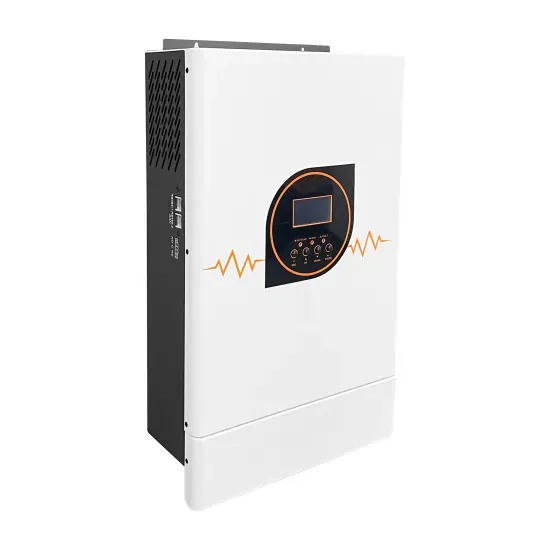
The leading brands that offer the best solar inverters for battery storage include Tesla, SMA, Fronius, Enphase, and Schneider Electric. Among these brands, each offers unique advantages. This guide highlights five well-matched products that work with LiFePO4 and other lithium chemistries, with a focus on safety. . Its pure sine wave inverter delivers a steady 600W and peaks at 1200W, handling everything from small appliances to sensitive electronics without hiccups. The 92% efficiency really makes a difference, cutting down energy loss and giving me more usable power from the sun's rays. Is it a hybrid inverter with a roster of battery partners?.
[PDF Version]
-
San Salvador Battery solar container energy storage system Supplier Recommendation
In cooperation with the start-up Africa GreenTec, TESVOLT is supplying lithium storage systems for 50 solar containers with a total capacity of 3 megawatt hours (MWh), enabling a reliable power supply. . The AES Energy Storage platform provides a high-speed response to deliver energy to your system the moment it is required. This platform counts on advanced. [pdf] Who makes lithium energy storage?IES specialises in manufacturing Lithium Energy storage for residential, C&I and utility scale. . San Salvador's growing renewable energy sector – particularly solar and wind projects – demands flexible storage options. Containerized systems, like those offered by EK SOLAR, provide plug-and-play installation and rapid scalability for: "A 2 MWh container system installed near Lake Ilopango. . El Salvador photovoltaic energy storage power supplier We innovate with solar photovoltaic plant design, engineering, supply and construction services, contributing to the diversification of the energy. The World"s Safest Lead Acid (Car) Battery Container. [pdf] Who makes energy storage enclosures?Machan offers comprehensive solutions for the manufacture of energy storage enclosures. A 68 MW solar photovoltaic facility commissioned in 2014, Salvador is located in Northern Chile, in the Atacama Desert, a location with one of the highest levels of solar irradiation in the world. Its average annual production of 182.
[PDF Version]
-
National standard for testing energy storage solar container lithium battery cabinets
The first edition of UL 1487, the Standard for Battery Containment Enclosures, was published on February 10, 2025, by UL Standards & Engagement as a binational standard for the United States and Canada. . An overview of the relevant codes and standards governing the safe deployment of utility-scale battery energy storage systems in the United States. UL 1487 is a result of collaboration that started in 2023 amongst interested parties, including. . NFPA is keeping pace with the surge in energy storage and solar technology by undertaking initiatives including training, standards development, and research so that various stakeholders can safely embrace renewable energy sources and respond if potential new hazards arise. We can also conduct an evaluation in the field or at a manufacturing location if required. This process is not merely procedural but a crucial safeguard against the significant. . Assists users involved in the design and management of new stationary lead-acid, valve-regulated lead-acid, nickel-cadmium, and lithium-ion battery installations.
[PDF Version]
 MENU