
-
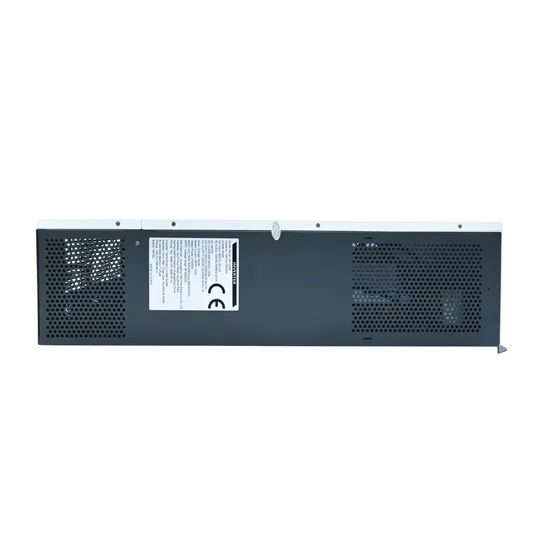
Zinc-bromine flow battery solar energy storage cabinet lithium battery
These flow batteries are highly scalable, allowing for adjustments in energy storage capacity by simply resizing the electrolyte tanks. ZBFBs are known for their extended cycle life, capable of enduring a high number of charge and discharge cycles without significant. . Zinc bromine flow batteries or Zinc bromine redux flow batteries (ZBFBs or ZBFRBs) are a type of rechargeable electrochemical energy storage system that relies on the redox reactions between zinc and bromine. Traditional battery technologies, notably lithium-ion systems, are optimized for short-duration power delivery. It is a widely. . Grid decarbonization is shifting the storage conversation from “fast response” to long-duration energy storage (LDES) that can deliver power across the evening peak, overnight, or during renewable lulls.
[PDF Version]
-
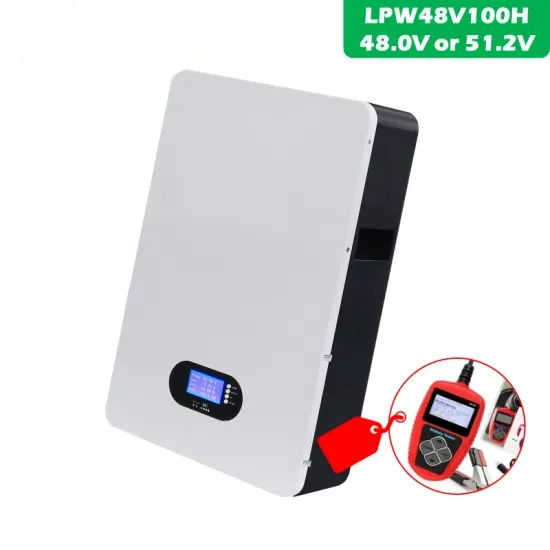
Charge and discharge times of energy storage solar energy storage cabinet lithium battery
Imagine your solar farm's storage system taking twice as long to recharge on cloudy days. Frustrating, right? Faster lithium battery charging times enable: "The sweet spot for commercial storage systems? Most operators aim for 2-4 hour charge cycles to balance speed and battery. . Summary: Understanding battery capacity and discharge time is critical for industries like renewable energy, transportation, and industrial power management. This article explores technical insights, real-world applications, and future trends to help businesses make informed decisions about energy. . The proposed method is based on actual battery charge and discharge metered data to be collected from BESS systems provided by federal agencies participating in the FEMP's performance assessment initiatives., at least one year) time series (e. Discharging begins when those batteries release stored energy to. . Battery energy storage systems (BESSs) play an important part in creating a compelling next-generation electrical infrastructure that encompasses microgrids, distributed energy resources (DERs), DC fast charging, Buildings as a Grid and backup power free of fossil fuels for buildings and data. . Lithium battery energy storage cabinets are revolutionizing how industries manage power. From renewable energy systems to industrial backup solutions, optimizing charging times directly impacts operational efficiency and cost savings.
[PDF Version]
-
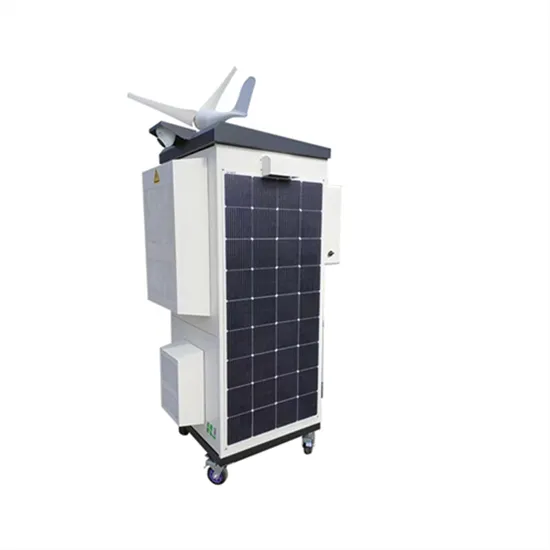
Outdoor energy storage lithium battery for boats
Finding a reliable lithium battery for marine and off-grid use can dramatically improve power readiness on boats, RVs, and cabins. This guide highlights top 12V LiFePO4 deep-cycle options, focusing on durability, long life, safety features, and cold-weather performance. Each pick in this list is. . In this guide, we've tested and reviewed the top lithium batteries for boats, breaking down their key features, performance, and value for money to help you make an informed decision.
[PDF Version]
-
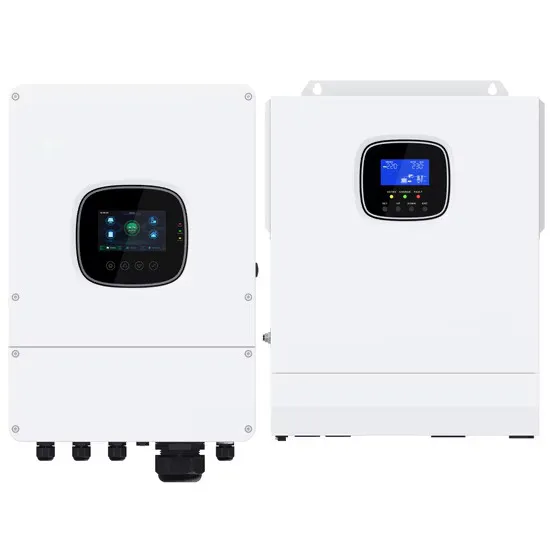
Kabul energy storage low temperature solar energy storage cabinet lithium battery factory
Engineered to complement solar folding containers, our lithium-ion battery systems deliver dependable power storage with fast charge/discharge capabilities. Their modular architecture makes them ideal for off-grid deployments, disaster response units, and mobile energy. . Kabul's growing demand for reliable electricity – driven by urbanization and renewable energy adoption – has made lithium battery storage modules a cornerstone of modern power solutions. From solar farms to telecom towers, these systems bridge gaps between energy supply and demand. Let's explo Why. . Energy storage cabinets are crucial in modern energy systems, offering versatile solutions for energy management, backup power, and renewable energy integration. These panels are engineered to deliver stable performance in mobile and semi-permanent microgrid applications, maximizing energy production in. . Solar potential of 6. The China Town project in Kabul offers a perfect case study - their solar+storage system. . How big is lithium energy storage battery shipment volume in China?According to data, the shipment volume of lithium energy storage batteries in China in 2020 was 12GWh, with a year-on-year growth of 56%. It is expected that the shipment volume will reach 98.
[PDF Version]
-
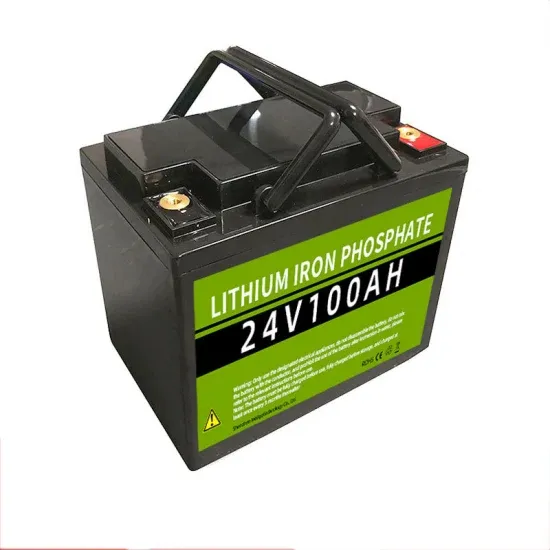
European High Temperature Battery Storage Cabinet
Explore our range of battery cabinets designed to store, charge, and protect lithium-ion batteries safely across high-risk environments in Europe. Our secure battery cabinets solutions in Europe are designed to provide reliable, controlled environments for the safe storage and charging of. . Our battery cabinets are sophisticated and offer modular solutions that can withstand even temperatures and earthquakes when it matters. Indeed lithium-ion batteries have the particularity to present many risks of which the most known and the most frequent is the thermal runaway which can be due to a rise of temperature of. . Protect your batteries and environment with our high-quality storage and charging cabinets. However, their high energy density also presents potential hazards when not handled or stored properly. Fires and explosions caused by thermal runaway. .
[PDF Version]
-
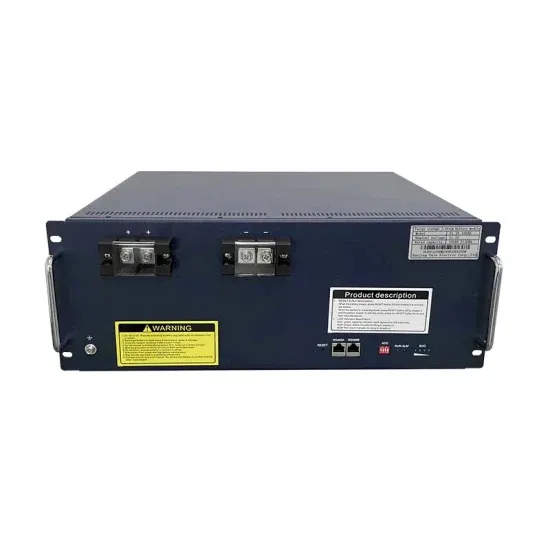
Energy storage battery cabinet voltage is lower than how many V the battery has a problem
If the customer's demand is less than 200kWh, we recommend the high-voltage battery cabinet because it has a lower overall cost, is more flexible, has a shorter installation cycle, is very convenient to maintain, and is also very easy to expand or relocate later. . How many volts does the energy storage battery cabinet have for home use? 1. The voltage level significantly impacts the efficiency and performance of. . The system's output may be able to be placed into an electrically safe work condition (ESWC), however there is essentially no way to place an operating battery or cell into an ESWC. It is designed for rapid deployment, standardized installation, and reliable long-term operation. If and or when more consumers are willing to pay for electrical backup for residences and those that do want more than a critical loads panel, the currents. . The energy storage battery cabinet typically has a voltage rating that aligns with the requirements of the application and the configuration of the battery system. Most common configurations include 48V, 400V, and even higher voltage levels for larger systems, 2. These vary according to specific. .
[PDF Version]
 MENU