
-
Annual electricity consumption of 5G base stations in London
Investing in the communication infrastructure transition requires significant scientific consideration of challenges, prioritisation, risks and uncertainties. To address these challenges, a bottom-up approac.
[PDF Version]
-
What are the outdoor wind power base stations in Saint Kitts and Nevis
Find wind turbine locations in Saint Kitts and Nevis through our Saint Kitts and Nevis wind farm map. Analyze the main characteristics of wind farms in this country, sort these by capacity, number of turbines and landscape area. Discover the largest wind farms in Saint Kitts and Nevis and find wind. . Name Name Area . The Energy Unit and SKELEC, assisted by the Legal Department, are negotiating a power purchase agreement (PPA) for a 6. 6 MW wind farm to be located at Belle Vue. © Copyright 2024 Developed by E-Gov Unit, Department of Technology. . WWEA is an international non-profit association embracing the wind sector worldwide, with more than 600 members in around 100 countries. . t per unit of capacity (kWh/kWp/yr). Kitts and Nevis (WINN)—The government of St.
[PDF Version]
-
High-efficiency outdoor cabinet for microgrids used in base stations
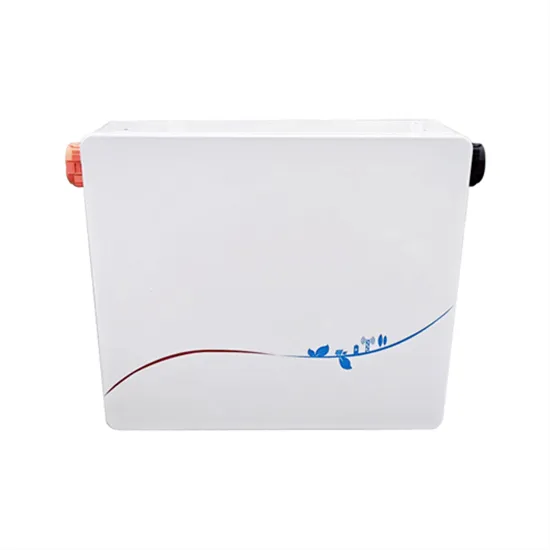
An Outdoor Photovoltaic Energy Cabinet is a fully integrated, weatherproof power solution combining solar generation, lithium battery storage, inverter, and EMS in a single cabinet. Sustainable, high-efficiency energy storage solutions. With IP54/IP55 protection, anti-corrosion design, and intelligent temperature control, they are ideal for telecom base stations, remote power supply, and containerized microgrids. Engineered for harsh climates and demanding workloads, our outdoor battery storage cabinet delivers scalable LiFePO₄ energy storage in a rugged IP54‑rated enclosure.
[PDF Version]
-
Are outdoor base stations legal
For towers in the public right-of-way or base stations, no more than 6 feet. No more than 10 percent or 20 feet, whichever is greater, for private land sites. . Every municipality is responsible for adopting its own set of laws governing the placement, design standards, and safety features of wireless telecommunications equipment installed and/or operated by companies like Verizon, AT&T, T-Mobile, Dish, and Crown Castle. They enable wireless communication, allowing millions of users to access data effortlessly. As smartphone usage continues to grow—estimates show that over 6. 6 billion people worldwide own. . Notwithstanding section 704 of the Telecommunications Act of 1996 (Public Law 104–104) or any other provision of law, a State or local government may not deny, and shall approve, any eligible facilities request for a modification of an existing wireless tower or base station that does not. . (a) This part 1402 requires manufacturers (including importers) of Citizens Band (CB) base station antennas, outdoor television (TV) antennas, and their supporting structures to provide notification of ways to avoid the hazard of electrocution which exists when these products are allowed to come. . In 2018, the U.
[PDF Version]
-
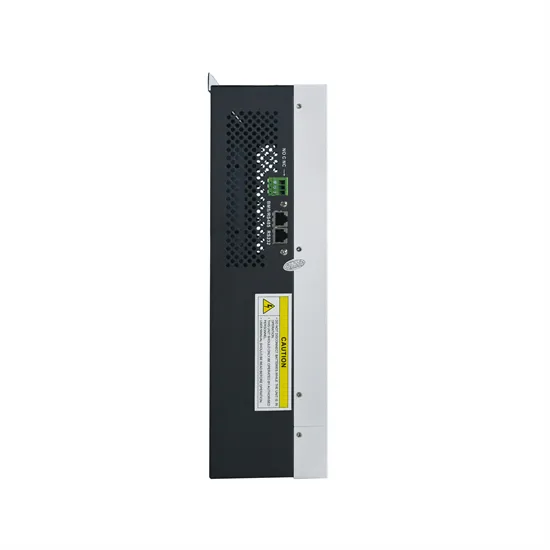
Installation of outdoor solar energy storage cells for communication base stations
Summary: This article explores how integrating photovoltaic (PV) systems with energy storage can revolutionize power supply for communication base stations. Learn about cost savings, reliability improvements, and real-world case studies driving adoption in telecom. . Remote base stations and telecom towers often face significant challenges when it comes to a consistent, reliable power supply. Many of these sites operate far from conventional grids, making traditional power methods costly and environmentally impactful. The power generated by solar energy is used by the DC load of the base station computer room, and the insufficient power is supplemented by energy storage. . As global energy demands soar and businesses look for sustainable solutions, solar energy is making its way into unexpected places—like communication base stations.
[PDF Version]
-
How many 5G base stations are there in Qatar
As of 2015, there are two in Qatar: (formerly Q-Tel) and . There were 563,800 internet users in 2009. The (top level domain) is QA. was launched in 2002 in Qatar by Ooredoo. There were 25,000 ADSL users in 2005. A 2015 report by the UN ranked Qatar in first place among the developing countries by their respective percentage population using internet. The country.
[PDF Version]
 MENU