
-
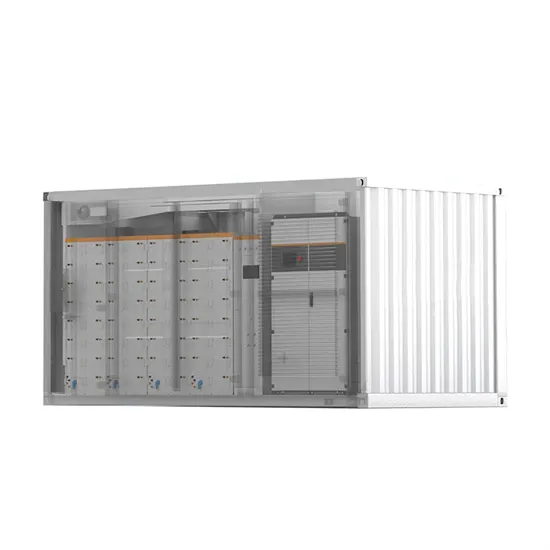
New energy and energy storage concept stocks
Discover 7 innovative clean tech stocks disrupting energy storage and grid tech. These future-forward picks could deliver 10x returns. . One of the largest lithium battery producers on the planet, Panasonic is the go-to company for firms that need energy storage products for EVs, grid-scale storage and other next-gen battery applications. As we hurtle toward a grid dominated by solar, wind, and decentralized power, a new class of clean tech stocks is emerging to solve the greatest challenge. . Read on to learn about some of the top energy storage stocks on the market and why you should consider investing in them. This interdependence between scalable storage and clean energy has made both indispensable pillars of a sustainable energy future. To this end, it is. . Consequently, utility providers like DTE Energy (DTE) and Ameren Corp. (AEE) are capitalizing on these growth opportunities through the rapid expansion of their renewable generation portfolio.
[PDF Version]
-
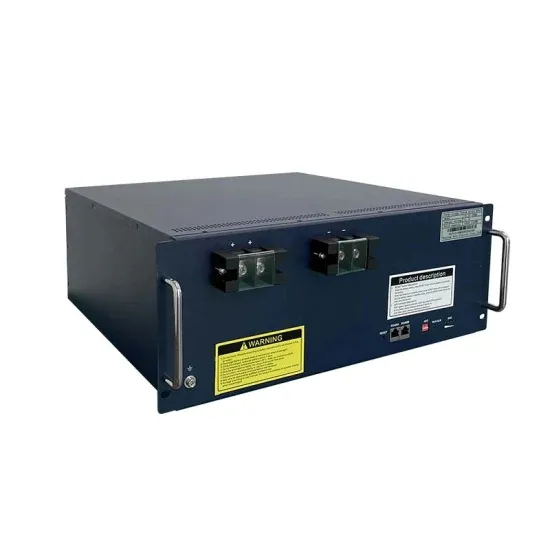
Energy Storage Lithium Battery New Energy Fund
The US Department of Energy's (DoE) Critical Facility Energy Resilience (CiFER) fund will back an organic quinone flow battery and an iron and sodium long duration energy storage (LDES) system in California, plus a lithium battery with a novel cathode material in New York state. . Demand for EVs is soaring, and so is the demand for lithium batteries. By Matthew Frankel, CFP – Updated Feb 2, 2026 at 9:23 PM EST | Fact-checked by Frank Bass Lithium ETFs offer exposure to diverse stocks in the expanding lithium-ion battery industry. Investing in lithium ETFs leverages growth in. . Visit the 360° Evaluator tool, exclusively for advisors, to analyze investments within a portfolio context in minutes. Learn how key attributes of this fund could factor into your decision-making. Exposure to energy storage solutions: Gain targeted exposure to global companies involved in. . Thus, LIT provides exposure to the full Li cycle ranging from mining and refining to battery manufacturing. Below, we've compiled the top 10 best-performing battery and energy storage ETFs year-to-date (YTD). Strong growth occurred for utility-scale battery projects, behind-the-meter batteries, mini-grids and solar home systems for. .
[PDF Version]
-
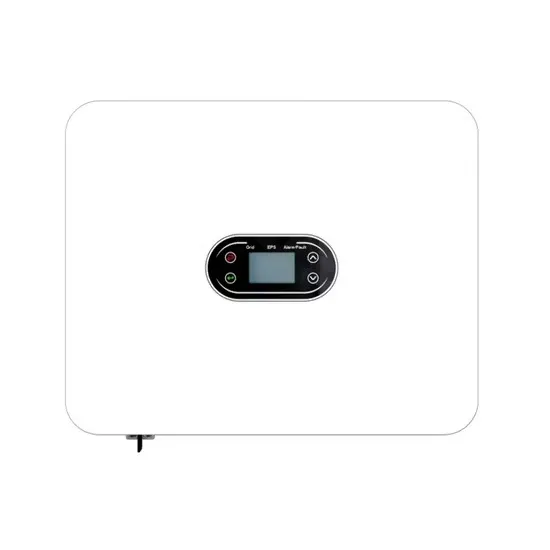
Which flow battery energy storage container is best in Papua New Guinea
Summary: Papua New Guinea"s growing energy demands require tailored lithium storage solutions. This article explores how customized lithium battery systems address remote electrification, mining operations, and renewable integration while boosting sustainability. The two electrolytes are separated by a membrane within the stack and ion exchange across this membrane creates the flow of. . The project encompasses the construction of a solar and battery energy storage system (BESS) minigrid to be built on the island of Buka, within the autonomous region of Bougainville in Papua New Guinea. We offer OEM/ODM solutions with our 15 years in lithium battery industry. What is a containerized energy. . As Papua New Guinea accelerates its renewable energy transition, the Port Moresby Energy Storage Battery Project emerges as a cornerstone for stabilizing power grids and integrating solar energy.
[PDF Version]
-
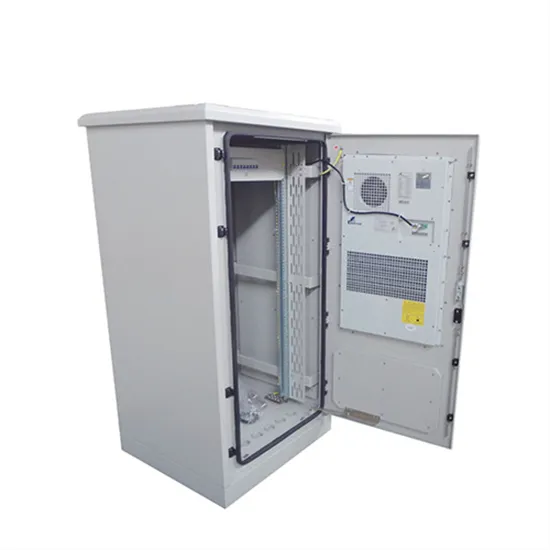
How much does a new energy storage cabin cost
The average energy storage cost in 2025 is different in many places. It depends on how big the system is and what technology it uses. Most homes and small businesses pay between $6,000 and $23,000 for everything. This covers the battery, inverter, labor, and other parts. Additionally, geographical. . The 2020 Cost and Performance Assessment provided installed costs for six energy storage technologies: lithium-ion (Li-ion) batteries, lead-acid batteries, vanadium redox flow batteries, pumped storage hydro, compressed-air energy storage, and hydrogen energy storage. But here's the million-dollar. . Wondering how much a modern energy storage charging cabinet costs? This comprehensive guide breaks down pricing factors, industry benchmarks, and emerging trends for commercial and industrial buyers.
[PDF Version]
-
Absorbing new energy and energy storage
Energy absorbing materials are specifically designed to dissipate and manage energy during an impact, minimizing damage or injury by deforming without breaking. This review discusses the role of energy storage in the energy transition and the blue economy, focusing on technological development, challenges, and. . Energy storage allows energy to be saved for use at a later time. Energy can be stored in various forms, including: When people talk about energy storage, they typically mean storing. . Battery Storage Costs Have Reached Economic Viability Across All Market Segments: With lithium-ion battery pack prices falling to a record low of $115 per kWh in 2024—an 82% decline over the past decade—energy storage has crossed the threshold of economic competitiveness. Utility-scale systems now. . What are energy absorbing and storage materials? 1. power grid in 2025 in our latest Preliminary Monthly Electric Generator Inventory report. This amount represents an almost 30% increase from 2024 when 48. 6 GW of capacity was installed, the largest. .
[PDF Version]
-
Indonesia New Energy Storage Project
The new initiative features plans for 1 MW solar minigrids tied with 4 MWh of accompanying battery energy storage, to be deployed across 80,000 villages, alongside 20 GW of centralised solar power plants. The program plans to build 80 GW of solar power plants and 320 GWh of Battery Energy Storage System (BESS) to be managed by the Merah Putih Village Cooperative (KDMP) in 80,000 villages, and 20 GW of. . Indonesia has announced an ambitious plan to deploy 100 GW of solar power nationwide, combining large-scale generation with an unprecedented rural electrification push. According to pv magazine, the “100 GW Solar Power Plant Plan for Village Cooperatives,” mandated by President Prabowo Subianto. .
[PDF Version]
 MENU