
-
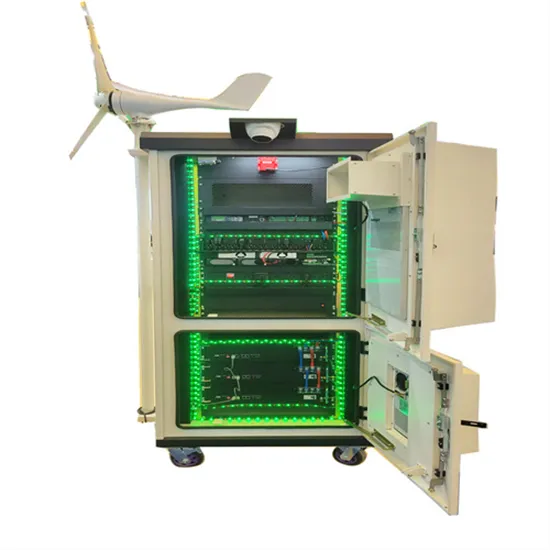
Portugal communication base station battery photovoltaic power generation specifications
The photovoltaic modules are of 580Wp type, with photoelectric conversion efficiency ≥ 22. 5%, warranty period of not less than 25 years, and attenuation in the first year of ≤ 2. N+1N+m redundant configuration can be achieved, and the number of interfaces and modules can be. . The communication base station installs solar panels outdoors, and adds MPPT solar controllers and other equipment in the computer room. The power generated by solar energy is used by the DC load of the base station computer room, and the insufficient power is supplemented by energy storage. . What is a telecom battery backup system?A telecom battery backup system is a comprehensive portfolio of energy storage batteries used as backup power for base stations to ensure a reliable and stable power supply. Power consumption rises as traffic does, however.
[PDF Version]
-
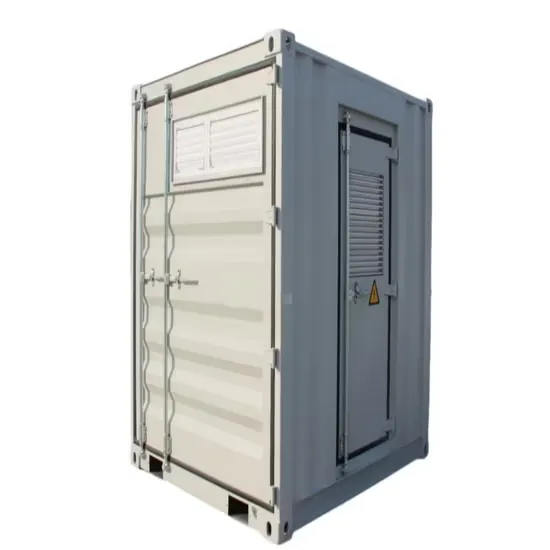
Three-dimensional communication base station battery hybrid power supply
Discover how hybrid energy systems, combining solar, wind, and battery storage, are transforming telecom base station power, reducing costs, and boosting sustainability. . The Telecom Base Station Intelligent Grid-PV Hybrid Power Supply System helps telecom operators to achieve "carbon reduction, energy saving" for telecom base stations and machine rooms. Stable, well- established, efficient and intelligent. . Enter hybrid energy systems—solutions that blend renewable energy with traditional sources to offer robust, cost-effective power. So, how exactly are hybrid systems revolutionizing energy for telecom infrastructure? What Are Hybrid Energy Systems? A hybrid energy system integrates multiple energy. . Base station operators deploy a large number of distributed photovoltaics to solve the problems of high energy consumption and high electricity costs of 5G base stations. In this study, the idle space of the. [pdf] BT2408021009PW is a three compartments base station cabinet designed and produced by. .
[PDF Version]
-
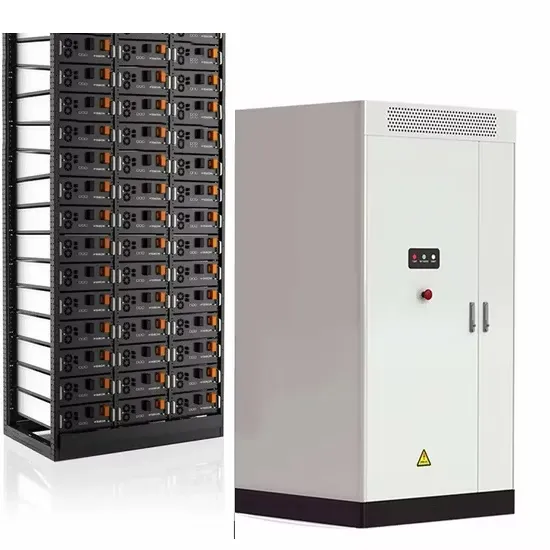
Communication base station power supply solar energy
Communication base stations consume significant power daily, especially in remote areas with limited access to traditional electricity grids. Here's where solar energy systems come into play. By installing PV and solar setups, companies can reduce grid dependency and ensure. . As global energy demands soar and businesses look for sustainable solutions, solar energy is making its way into unexpected places—like communication base stations. Why Sol Summary: Discover how solar energy solutions are transforming communication infrastructure, reducing operational costs, and enabling connectivity in remote. . The communication base station installs solar panels outdoors, and adds MPPT solar controllers and other equipment in the computer room. The Five Core Advantages of EverExceed Telecom Base Station. . For base stations located in deserts or other extreme environments, independent power supply is essential, as these areas are not only beyond the reach of power grids but also unsuitable for fuel generators due to the lack of on-site personnel for maintenance.
[PDF Version]
-
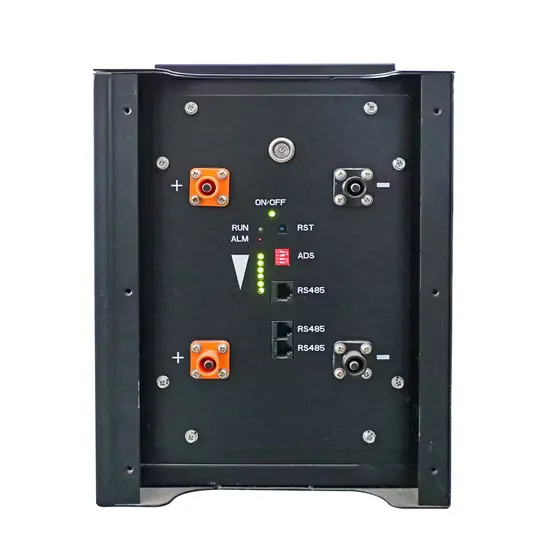
How to build a lead-acid battery for a solar communication base station
In this tutorial, I'll guide you through the process of building a lead acid battery at home from scratch. Whether you're a DIY enthusiast or someone looking to understand battery construction, this. . Forget buying an over priced power station like a Jackery, Goal Zero, or other pre-built solar battery bank for your outdoor adventures. The process involves gathering lead plates, sulfuric acid, distilled water, and a container for the battery. It works through a chemical reaction between the lead and electrolyte, which creates electricity when connected to a load. What are the characteristics of lead acid. . Essential Components: Building a solar-powered battery requires key materials such as solar panels, a rechargeable battery (preferably lithium-ion or lead-acid), a charge controller, and an inverter.
[PDF Version]
-
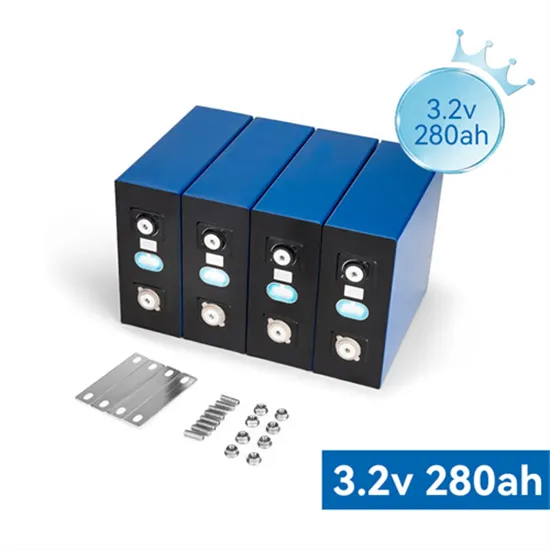
Lithium battery power supply for container communication base station
This guide outlines the design considerations for a 48V 100Ah LiFePO4 battery pack, highlighting its technical advantages, key design elements, and applications in telecom base stations. Communication industry base stations are huge in number and widely distributed, the requirements for the selected backup energy. . ECE 51. The telecom backup batteries pack with smart battery management system can match the 19 - or 21-inch standard cabinet or rack.
[PDF Version]
-
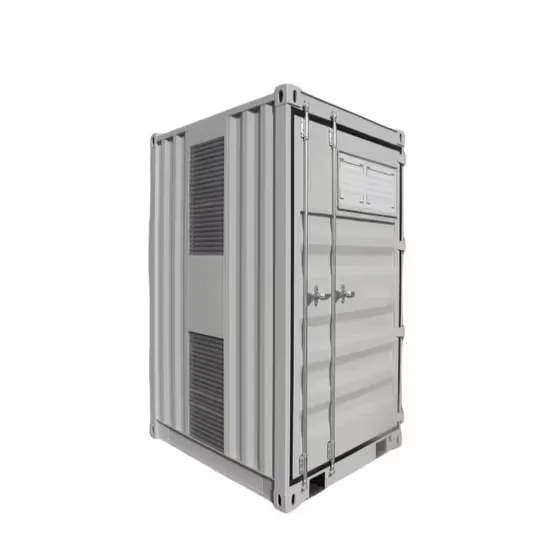
Outdoor solar container battery cabinet base station power generation requirements
Highjoule's outdoor cabinets can be customized for 3kW to 20kW continuous output and 10kWh to 200kWh of lithium battery storage. The capacity is scalable depending on site load, sunshine hours, and backup time requirements. How does the system perform in extreme climates?. Major projects now deploy clusters of 20+ containers creating storage farms with 100+MWh capacity at costs below $280/kWh. Technological advancements are dramatically improving solar storage container performance while reducing costs. Next-generation thermal management systems maintain optimal. . What is an Outdoor Photovoltaic Energy Cabinet for base stations? An Outdoor Photovoltaic Energy Cabinet is a fully integrated, weatherproof power solution combining solar generation, lithium battery storage, inverter, and EMS in a single cabinet. It delivers clean, stable power for telecom base. . UL Certification (specifically standards like UL 9540 for Energy Storage Systems and UL 1741 for inverters) is the gold standard, rigorously verifying that: Electrical components meet stringent safety requirements.
[PDF Version]
 MENU