
-
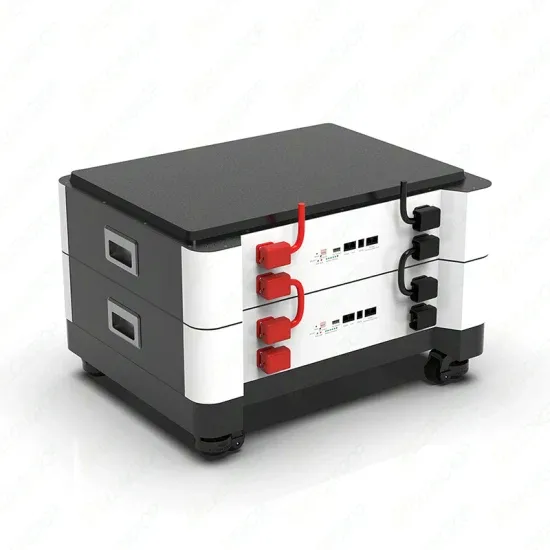
Energy storage electrochemical power station design scheme
This work attempts to critically review the developments with respect to emerging electrochemical energy storage configurations, including, amongst others, paintable,. . ergy storage systems, and ch used in power station, grid-connected side and user side. 5- bilities and maintaining system stability [10 ]. However, there was short of uniform design specifications and criteria for the (also known as energy storage power stations). The guide covers the. . Operation and maintenance design scheme for electro us functions of energy storage power stations in the actual operation of the it, power conversion system, battery management system and power gri sh a complete set of safety management system of electrochemical energy storage statio gy storage in. . Design scheme for practical application of elect ces with high power density,high energy density ssociated with storage systems to compensate the intermittent production.
[PDF Version]
-
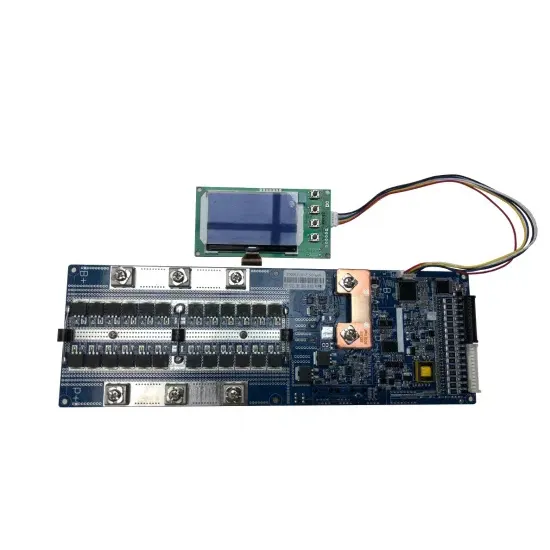
Energy storage cabinet foundation trench design scheme
Technical drawing and design document for a typical Battery Energy Storage System (BESS) foundation, including details on materials, sections, and construction notes. As the world pivots toward renewable energy sources like solar and wind, the need for reliable energy storage has never been more critical. For architects, this shift presents both an. . This unseen pillar is the literal and figurative base upon which the entire BESS project rests, and choosing appropriate foundation types for energy storage is a pivotal decision that dictates long-term performance, safety, and profitability. Sourcing targeted construction industry leads from submitted planning applications. Battery modules, inve ters, protection devices, etc.
[PDF Version]
-
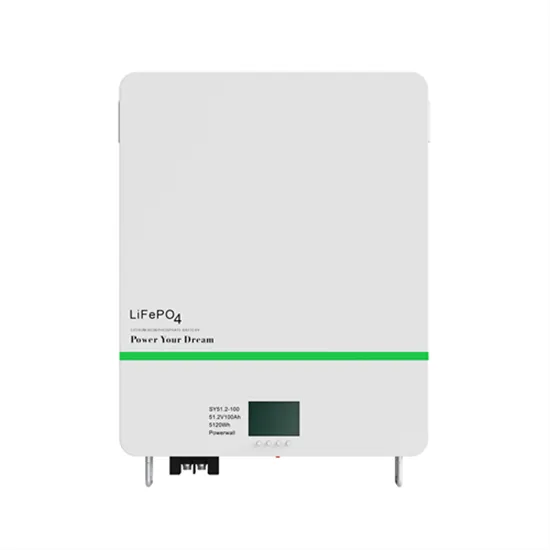
Energy storage cabinet design scheme
This article will introduce in detail how to design an energy storage cabinet device, and focus on how to integrate key components such as PCS (power conversion system), EMS (energy management system), lithium battery, BMS (battery management system), STS (static transfer. . This article will introduce in detail how to design an energy storage cabinet device, and focus on how to integrate key components such as PCS (power conversion system), EMS (energy management system), lithium battery, BMS (battery management system), STS (static transfer. . Energy storage cabinet working principle a modular structure to facilitate expansion, maintenance and replacement. Battery modules, inve ters, protection devices, etc. en renewable energy (such as solar energy and wind energy) and power grid. Why do energy storage cabinets use STS? STS can complete power switching within milliseconds to. . In an era marked by renewable integration, electrification of transport, and grid decentralization, the energy storage cabinet has emerged as a critical interface between high-performance battery systems and their operating environment.
[PDF Version]
-
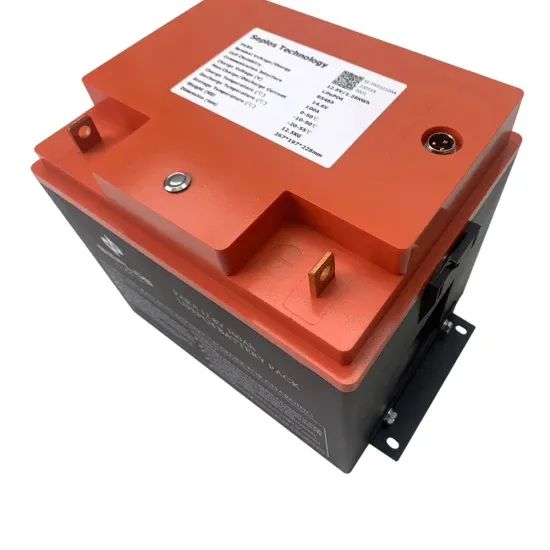
Advantages of containerized energy storage
Manufacturers lose millions during unexpected outages. Toyota's Texas plant avoided $2M in losses last year using this approach. Containerized energy storage isn't just a trend—it's a smarter way to manage. . Advantages of Containerized Energy Storage Systems Containerized Energy Storage Systems offer unparalleled scalability. This allows organizations to invest in energy storage at their own pace, minimizing. . Containerized energy storage systems provide remarkable flexibility, allowing businesses to scale their energy storage needs as they grow. In Chile, a solar+storage project reduced grid dependency by 70%.
[PDF Version]
-
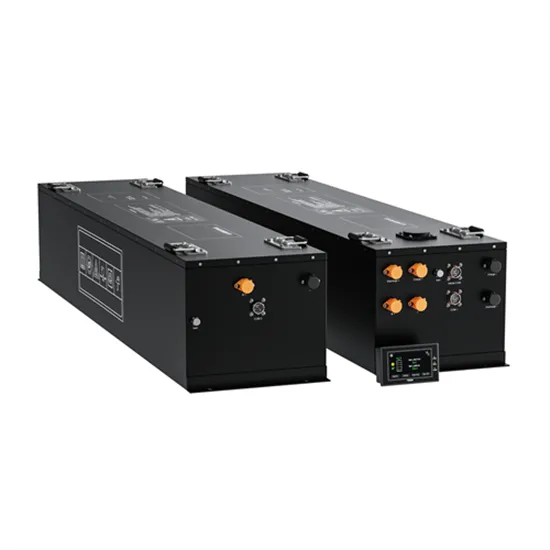
Bangi Energy Storage Containerized Grid-Connected Service Quality
In this article, we'll explore how a containerized battery energy storage system works, its key benefits, and how it is changing the energy landscape—especially when integrated into large-scale storage systems. What is Containerized BESS? Understanding its Role in. . by an agency of the U. Government nor any agency thereof, nor any of their employees, makes any warranty, expressed or implied, or assumes any legal liability or responsibility for the accuracy, completeness, or usefulness, of any information, apparatus, product, or. . A Containerized Battery Energy Storage System (BESS) is rapidly gaining recognition as a key solution to improve grid stability, facilitate renewable energy integration, and provide reliable backup power. These batteries have,and will likely continue to have,relatively high costs per kWh of electricity stored,making them unsuitablefor long-duration storage that may b needed to support reliable d rvice life of the complete lithium-ion battery. . The International Renewable Energy Agency (IRENA) estimates we'll need 14,000 GWh of energy storage worldwide by 2030. That's like building 280,000 Tesla Megapacks. Crazy, right? Recent blackouts in Texas (May 2024) and Germany (April 2024) show what happens when clean energy production outpaces. .
[PDF Version]
-
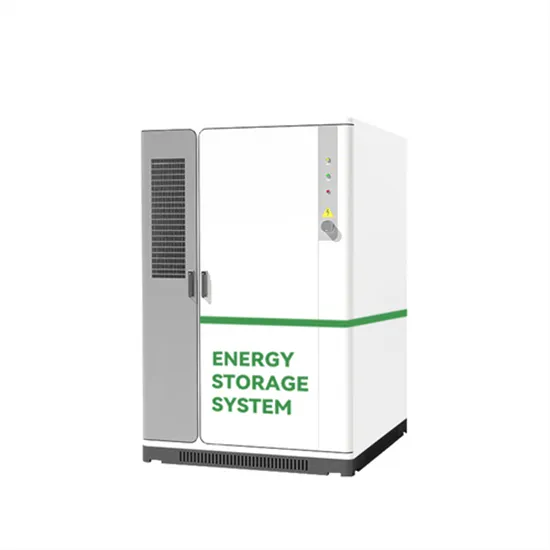
Design Specifications for Photovoltaic Energy Storage Station Air Conditioning
This report is available at no cost from the National Renewable Energy Laboratory (NREL) at www. . Design specifications for photovoltaic air energy storage power stations Design specifications for photovoltaic air energy storage power stations Looking ahead, the future of solar charging stations appears promising, with emerging trends such as advancements in PV technology, energy storage. . The 50kW/115kWh air cooling energy storage system adopts an "All-In-One" design concept, with ultra-high integration that combines energy storage batteries, BMS (Battery Management System), PCS (Power Conversion System), fire protection, air conditioning, energy management, and more into a single. . This report is available at no cost from the National Renewable Energy Laboratory (NREL) at www. National Renewable Energy Laboratory, Sandia National Laboratory, SunSpec Alliance, and the SunShot National Laboratory Multiyear Partnership (SuNLaMP) PV O&M Best Practices. . Design Specifications for Photovoltaic Energy Storage Station A size requirements. Some allow systems rated at 10 MW and higher, some at 1 MW. Energy storage or PV ould provide significantly faster response times than conventional generation.
[PDF Version]
 MENU