
-
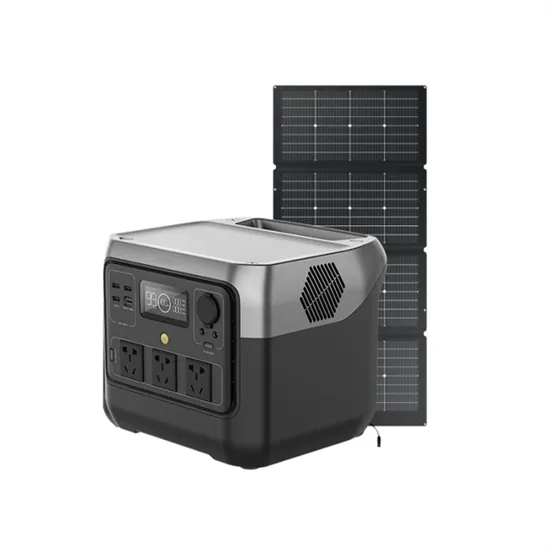
Energy storage industrial and commercial storage integrated machine price
On average, commercial and industrial energy storage systems cost between $320 and $480 per kilowatt-hour (system-level, installed). Department of Energy's (DOE) Energy Storage Grand Challenge is a comprehensive program that seeks to accelerate. . There is a need for a trusted benchmark price that has a well understood and internally consistent methodology so comparing the different technology options across different power and energy levels produces a reliable answer. When people ask “How much does. . Energy storage systems serve a key purpose in the energy markets, offering several benefits to both commercial businesses and grid operators, including: Demand charge reduction through peak shaving: This is achieved by dispatching the battery during peak hours (or events) to help an end user reduce. . Global industrial electricity prices surged 34% on average between 2020 and 2023, with European prices spiking 180% during the energy crisis. Commercial operators now achieve payback periods under five years through peak shaving and demand charge management. A Texas manufacturing plant reduced its. .
[PDF Version]
-
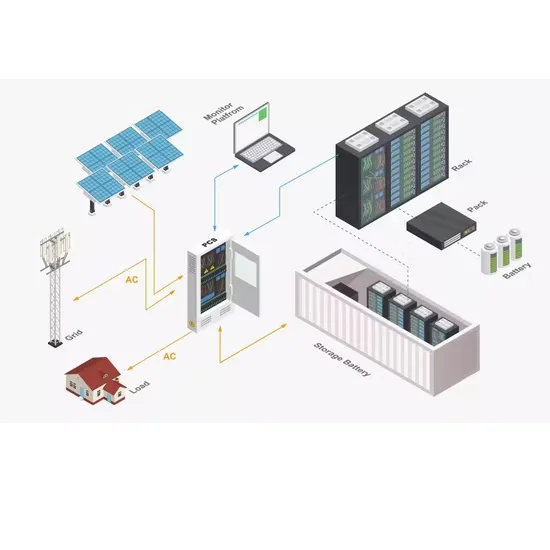
National subsidies for industrial and commercial photovoltaic energy storage
With federal programs offering up to $1 million in funding and state initiatives providing additional support, businesses can potentially reduce their solar installation costs by up to 70%. As part of the Biden-Harris Administration's Investing in America agenda, the U. Department of Energy (DOE) Loan Programs Office (LPO) today announced the closing of a $289. 7. . That's where commercial solar incentives come into play—making solar an attractive investment through a mix of grants, low-interest loans, and federal tax benefits. Whether you're in agriculture, manufacturing, warehousing, or run a nonprofit, this guide explores the top commercial solar government. . The Inflation Reduction Act of 2022 (“IRA”) makes several clean energy tax credits available to businesses. By joining EnergySage, you will be able to receive: DSIRE is the most comprehensive source of information on incentives and policies that support renewables and energy efficiency in the United States. This incentive can notably alleviate. .
[PDF Version]
-
Belgrade Flywheel Energy Storage Industrial Park
A typical system consists of a flywheel supported by connected to a . The flywheel and sometimes motor–generator may be enclosed in a to reduce friction and energy loss. First-generation flywheel energy-storage systems use a large flywheel rotating on mechanical bearings. Newer systems use composite that have a hi.
[PDF Version]
-
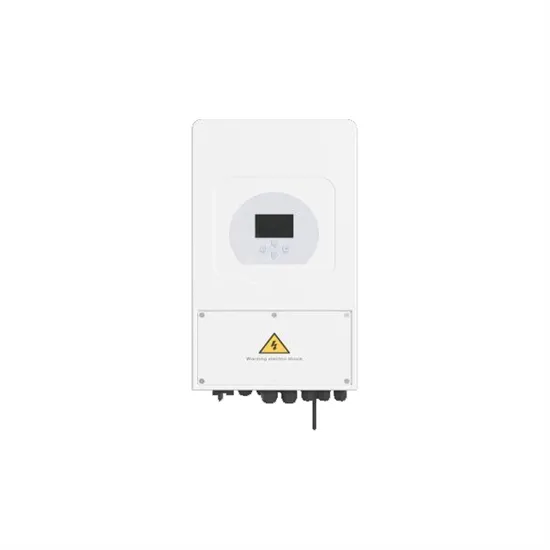
How much does energy storage cost for industrial applications
Across different system sizes, durations, and configurations, most commercial and industrial energy storage projects end up in a typical installed range of about USD $280–$580 per kWh. This should be viewed as a practical reference band, not a rigid rule. . When people ask “How much does commercial energy storage cost?”, the honest answer is: it depends heavily on system size and configuration. The paragraphs below outline the major costs and provide a reasonable price range for C&I ESS. What are the main costs of a commercial and industrial. . DOE's Energy Storage Grand Challenge supports detailed cost and performance analysis for a variety of energy storage technologies to accelerate their development and deployment The U. Department of Energy's (DOE) Energy Storage Grand Challenge is a comprehensive program that seeks to accelerate. . But one of the most pressing questions is: "How much does commercial & industrial battery energy storage cost per kWh?" Understanding the cost involves considering several factors, from the type of battery technology to the scale of the system. . The price landscape for energy storage has evolved dramatically: "While upfront costs remain significant, lifetime savings of 40-60% compared to traditional energy solutions make storage systems increasingly attractive," notes a 2023 IRENA report. *Levelized Cost of Energy (2024 estimates) Grid. .
[PDF Version]
-
What are the industrial solar energy storage cabinet systems in iraq
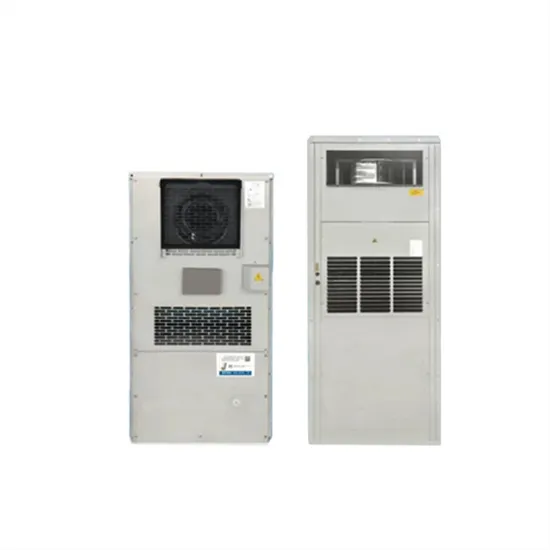
Containerized solar storage systems provide Baghdad with immediate energy security while aligning with Iraq's 2030 renewable targets. With proper design adaptations for extreme climates, these solutions deliver reliable power for factories, hospitals, and residential complexes. . With rising electricity demands from industries and an annual GDP growth rate of 4. 3% [6], the country needs reliable energy storage solutions faster than a sandstorm hits Baghdad. This guide explores design principles, cost benefits, and real-world applications tailored for Iraq's climate and industrial needs. Why Baghdad. . torage Systems are structured in two main parts. The power conversion system (PCS) handles AC/DC and DC/AC conversion, with energy flowing into the batteries to charge them or being converted from the bat ery storage into AC power and fed into the grid. *Data based on 2023 industrial performance reports from Middle East power plants A 50MW facility reduced energy waste by 18% after installing lithium-ion cabinets with AI-driven thermal management. The clean energy boom has caused phenomenal growth in the renewables sector and SEC is ore. . Construction commenced in March 2025 on the Basra Sun project, a 1,000 MW solar power plant developed through a joint venture between France's TotalEnergies and Qatar's QatarEnergy. This plant is expected to supply clean electricity to over 350,000 homes upon completion. Spot prices for LFP cells. .
[PDF Version]
-
Icelandic industrial energy storage battery company
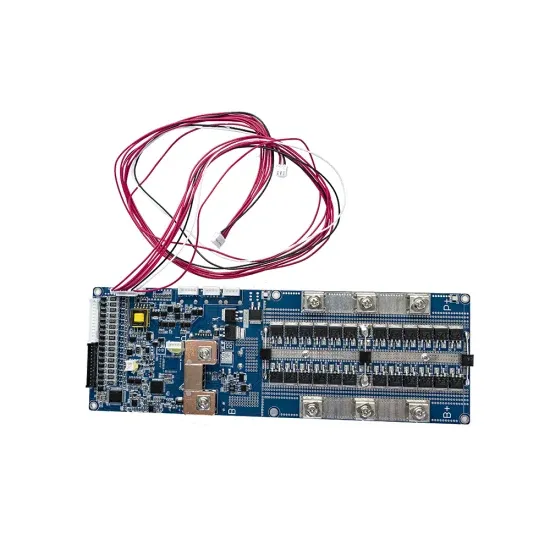
An Icelandic cleantech company focusing on energy solutions, drawing on expertise in battery energy storage solutions. To transform used EV batteries into hybrid. . Summary: Explore how EK SOLAR's advanced energy storage systems integrate with Iceland's renewable energy landscape. Geothermal Energy Optimization Iceland's 30 active volcanic systems aren't just tourist attractions. Battery-based energy storage is a vital addition to the Nordics' energy system to integrate an even higher share of. . DynaFlex BESS uses UL9540A lithium-ion batteries to provide utility-scale energy storage for mission-critical businesses that can be used as an always-on power supply. This energy storage can be used to smooth out power usage and seamlessly transition to an always-on battery-enabled power supply. .
[PDF Version]
 MENU