
-
What is energy storage system architecture design
Energy Storage System Architecture refers to the conceptual and physical arrangement of all constituent parts of an energy storage installation, including the storage medium, the power conversion system (PCS), the battery management system (BMS), and thermal regulation mechanisms. . ers lay out low-voltage power distribution and conversion for a b de ion – and energy and assets monitoring – for a utility-scale battery energy storage system entation to perform the necessary actions to adapt this reference design for the project requirements. Traditional power architectures—built around single-direction grid supply or isolated backup sources—are increasingly challenged by fluctuating loads. . In the rapidly evolving battery energy storage system (BESS) landscape, the term "support structure" is pivotal, encompassing both the physical framework and the functional system architecture. This structural. . As electricity grids across the U. These systems are no longer just battery boxes—they are highly engineered, multi-layered platforms. .
[PDF Version]
-
Monrovia distributed energy storage classification
A California sunset glows over Monrovia while 500 megawatt-hours of stored solar energy quietly feeds the local grid. . Let's cut through the theory – here's what actually works: When a 200MW solar farm in Riverside County kept tripping offline during cloud cover, the Monrovia system provided 45MW/180MWh of instantaneous backup. Result? 92% reduction in grid instability events during transition periods. "The storage. . -based power generators in distribution networks. Furthermore, the computational speed and solution accuracy of the proposed (WOA-SO ase energy storage services and. . rent types of energy storage configurations? New energy power plants can implement energy storage configurations through com uirrels paused their nut-hoa ient energy stor ge systems has skyrocketed. Distributed Energy Resources have been playing an increasingly important role in smart grids.
[PDF Version]
-
Fire station uses monrovia off-grid solar energy storage cabinet with 50kW
Equipped with advanced LFP battery technology, this 50kw lithium ion solar battery storage cabinet offers reliable power for various applications, A California sunset glows over Monrovia while 500 megawatt-hours of stored solar energy quietly feeds the local grid. . 50kW/100kWh outdoor cabinet ESS solution (KAC50DP-BC100DE) is designed for small to medium size of C&I energy storage and microgrid That"s the reality taking shape in Monrovia"s user-side energy storage project – a $33 billion global industry"s poster child for smarter energy use [1]. Let"s. . Most industrial off-grid solar power sytems, such as those used in the oil & gas patch and in traffic control systems, use a battery or multiple batteries that need a place to live, sheltered from the elements and kept dry and secure. This place is called a "battery enclosure", or what is. . By acting as a grid-scale shock absorber, this technology helps balance supply and demand in real-time, making renewable energy more practical than ever. It is compact in size and flexible in installation, and can be used in households, commercial. Our solutions deliver outstanding performance, supported by a 10-Year. .
[PDF Version]
-
Existing communication base station energy storage architecture
This article outlines a replicable energy storage architecture designed for communication base stations, supported by a real deployment case, and highlights key technical principles that ensure uptime and long service life. Power Challenges in Modern Base Stations. planning and short-term operation of the energy storage are interconnected. Users can use the energy storage system to discharge during load peak periods and charge from the grid during low load periods, reducing peak load demand and saving electricity. . Today, modular lithium-based energy storage systems have become the preferred solution for ensuring continuous operation, even under unstable grid or off-grid conditions.
[PDF Version]
-
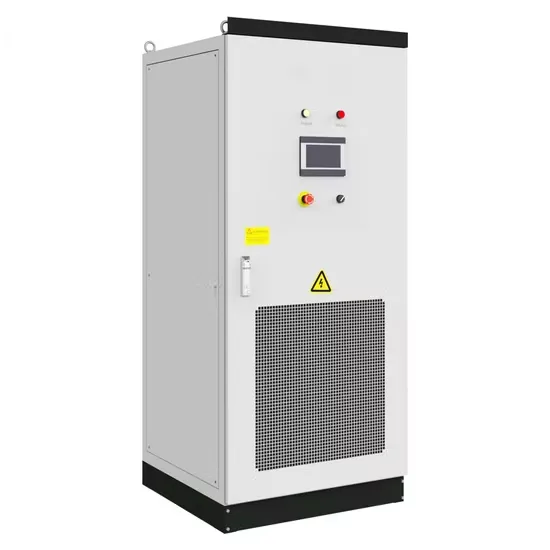
Installation of 120kWh Energy Storage Battery Cabinet
In this step-by-step guide, we will walk you through the process of choosing and installing a high-quality cabinet type energy storage battery, so you can harness the power of renewable energy and reduce your reliance on the grid. . Summary: Installing batteries in an energy storage cabinet requires precision, safety awareness, and industry-specific knowledge. This guide covers tools, best practices, and real-world examples to ensure efficient installation for residential, commercial, and industrial applications. Amidst this evolution, ENERGY storage units have emerged as a pivotal solution, offering flexibility and efficiency in managing energy. . Browse our BESS cabinet model pages (kW/kWh options) for C&I PV + storage, peak shaving, backup power and microgrids. What Is a BESS Cabinet? A BESS cabinet is an industrial enclosure that integrates battery energy storage and safety systems, and in many cases includes power conversion and control. . Let's face it – energy storage battery cabinets aren't exactly the Beyoncé of renewable energy systems. But just like backup dancers, they're critical to the show. The complete all-in-one design provides you with ultimate safety and convenience. Available in capacities of 80kWh, 90kWh,100kWh, 120kWh, and 140 kWh, this modular system is designed to power your entire home efficiently.
[PDF Version]
-
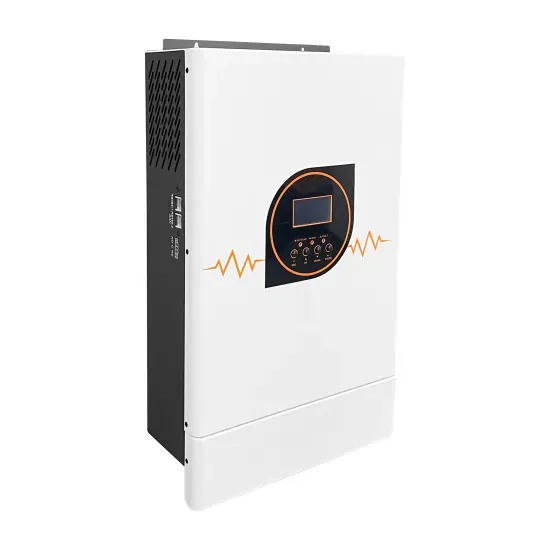
Windhoek Energy Storage New Energy
Let's cut to the chase: In December 2023, Windhoek made history by launching Namibia's first grid-scale energy storage system. This 54MWh project in Erongo Region isn't just a battery installation – it's a game-changer for a country where 70% of electricity was imported pre-2023 [1]. Entry-level. . Ever wondered how a desert nation could become a renewable energy trailblazer? Enter the Windhoek Energy Storage Project - Namibia's $280 million answer to solar power's "sunset problem. " -. . Liquid fuels Natural gas Coal Nuclear Renewables (incl. hydroelectric) Source: EIA, Statista, KPMG analysis Depending on how energy is stored, storage technologies can be broadly divided into the following t. "We've seen clients achieve 22% better performance simply by optimizing charge/discharge cycles using AI-driven controllers. At sunset, shopkeepers scramble for backup generators while students squint under flickering bulbs. Namibia imports 60% of its electricity despite having 300+ days of annual sunshine. Wait, no—actually, recent data shows it's closer to 330. .
[PDF Version]
 MENU