
-
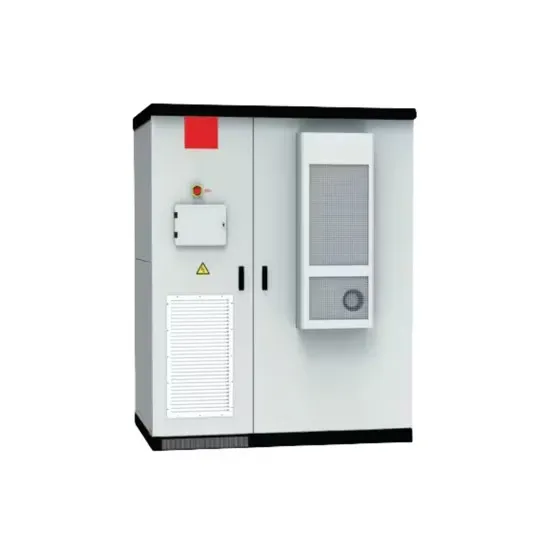
Andorra City Vanadium Redox Flow Battery
The vanadium redox battery (VRB), also known as the vanadium flow battery (VFB) or vanadium redox flow battery (VRFB), is a type of rechargeable which employs ions as . The battery uses vanadium's ability to exist in a solution in four different to make a battery with a single electroactive element instead of two.
[PDF Version]
-
All-aluminum redox flow battery
This comprehensive review provides an in-depth analysis of recent progress in electrolyte technologies, highlighting improvements in electrochemical performance, stability, and durability, as well as strategies to enhance the energy and power densities of RFBs. . Redox flow batteries (RFBs) have emerged as a promising solution for large-scale energy storage due to their inherent advantages, including modularity, scalability, and the decoupling of energy capacity from power output. Redox flow batteries (RFBs), which store. .
[PDF Version]
-
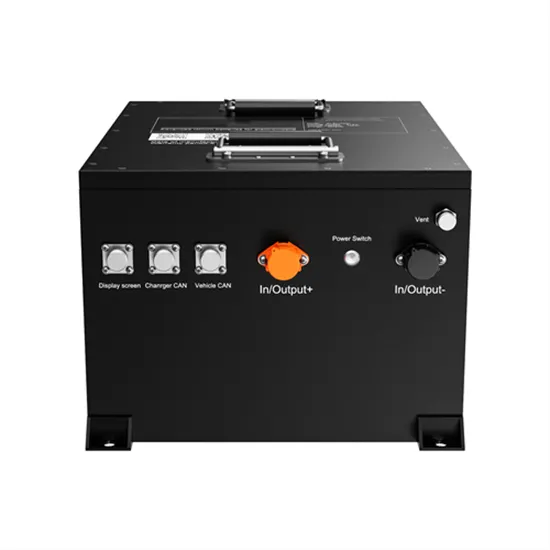
Havana flow battery technology
Unlike conventional batteries, Havana systems employ adaptive charge controllers - think of them as "smart traffic lights" for energy flow. Key features include: "The true innovation lies in balancing high-density storage with thermal safety - something many competitors still. . Flow batteries are emerging as a transformative technology for large-scale energy storage, offering scalability and long-duration storage to address the intermittency of renewable energy sources like solar and wind. Advancements in membrane technology, particularly the development of sulfonated. . Next-level energy storage systems are beginning to supplement the familiar lithium-ion battery arrays, providing more space to store wind and solar energy for longer periods of time, and consequently making less room for fossil energy in the nation's power generation profile. If you haven't heard, the energy storage market is booming. Residential, commercial and grid-scale. . A flow battery is a type of rechargeable battery that stores energy in liquid electrolytes, distinguishing itself from conventional batteries, which store energy in solid materials. Even so, those aforementioned battery types have deficiencies.
[PDF Version]
-
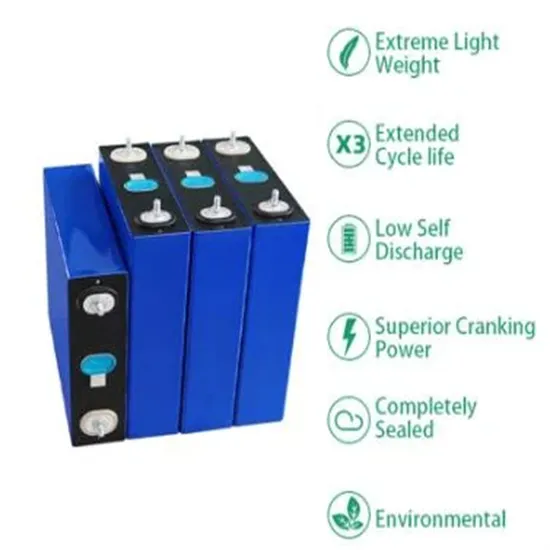
What is single flow battery
A flow battery is a rechargeable battery in which electrolyte flows through one or more electrochemical cells from one or more tanks. These electrons move through an external circuit to power devices, making flow batteries. . Redox flow batteries (RFBs) offer the potential provide such storage, however, high capital costs have hampered market penetration.
[PDF Version]
-
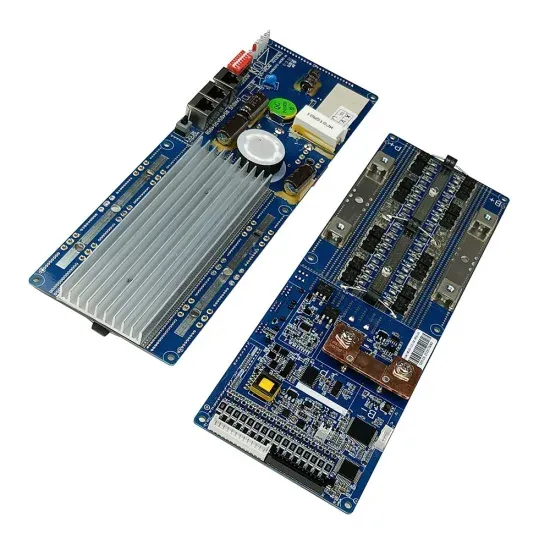
Large Energy Storage Liquid Flow Battery Price
As of 2024–2025, BESS costs vary significantly across different technologies, applications, and regions: Lithium-ion (NMC/LFP) utility-scale systems: $0. 35/kWh, depending on duration, cycle frequency, electricity prices, and financing costs. . Iron liquid flow batteries (IFBs) are gaining traction as a cost-effective solution for large-scale energy storage. Electrolyte Chemistry: Iron-chloride or iron-salt solutions are cheaper than vanadium. . Jasmine Young is a passionate writer and researcher specializing in battery technology, with a keen interest in its applications across various industries and its role in shaping a sustainable energy future. As prices evolve, the Levelized Cost of Storage (LCOS) presents a clear metric for assessing financial viability. LCOS calculates the average cost per kWh discharged throughout the. . Large energy storage batteries can range from $300 to $700 per kilowatt-hour, influenced by type, capacity, and installation needs.
[PDF Version]
-
Battery performance india
This study investigates challenges and solutions for India's battery supply chain in the growing electric vehicle (EV) market. Key obstacles include raw material dependency, supply chain complexity, production costs, environmental impacts, rapid technological changes, and. . IESA has outlined two demand scenarios — a Business-as-Usual case and a Viksit Bharat Pathway — under which total battery demand could reach between 1. With a rise in preference for firm renewable energy, the share of hybrid tendered capacity has increased from about 12% in 2021 to over 49% in 2024 in the. . The IESA report, Vision 2047: India's Roadmap for a Self-Reliant Battery Ecosystem, emphasizes that electric mobility and large-scale energy storage are key to meeting climate goals and the Viksit Bharat Vision 2047. See us first when you search on Google. India is also coming of age to join the big league with plans to emerge as a top producer of sophisticated automotive. . In this blog about Vacuna, let's explore how inverter battery performance in India relies more on usage than on technology. India does not offer predictable power environments. Ambient temperatures remain high for. .
[PDF Version]
 MENU