
-
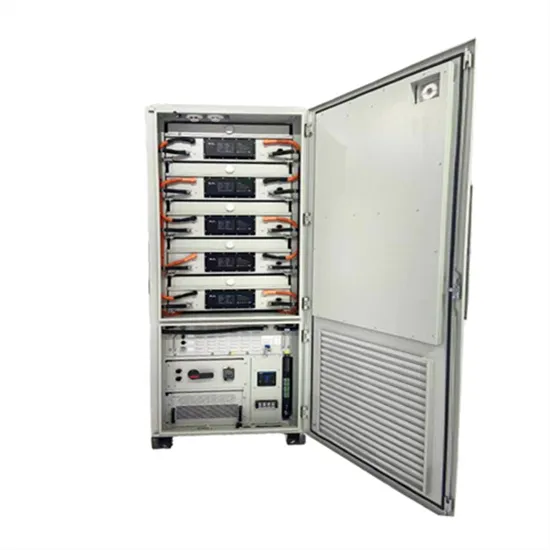
Research station uses a 25kW off-grid solar energy storage cabinet from paraguay
Currently, the energy grid is changing to fit the increasing energy demands but also to support the rapid penetration of renewable energy sources. As a result, energy storage devices emerge to add buffer cap.
[PDF Version]
FAQS about Research station uses a 25kW off-grid solar energy storage cabinet from paraguay
What are the most popular energy storage systems?
This paper presents a comprehensive review of the most popular energy storage systems including electrical energy storage systems, electrochemical energy storage systems, mechanical energy storage systems, thermal energy storage systems, and chemical energy storage systems.
What are photovoltaic energy storage cabinets?
Photovoltaic energy storage cabinets are designed specifically to store energy generated from solar panels, integrating seamlessly with photovoltaic systems. Energy storage systems must adhere to various GB/T standards, which ensure the safety, performance, and reliability of energy storage cabinets.
Which energy storage system is suitable for centered energy storage?
Besides, CAES is appropriate for larger scale of energy storage applications than FES. The CAES and PHES are suitable for centered energy storage due to their high energy storage capacity. The battery and hydrogen energy storage systems are perfect for distributed energy storage.
How can energy storage support the integration of renewables in the grid?
The integration of renewables in the grid can be supported by energy storage in various aspects, such as voltage control and the off-peak storage, and the rapid support of the demands. For these various roles, the corresponding sizing, operation, and lifetime requirements that the ESDs must comply with are shown in Table 7. Table 7.
-
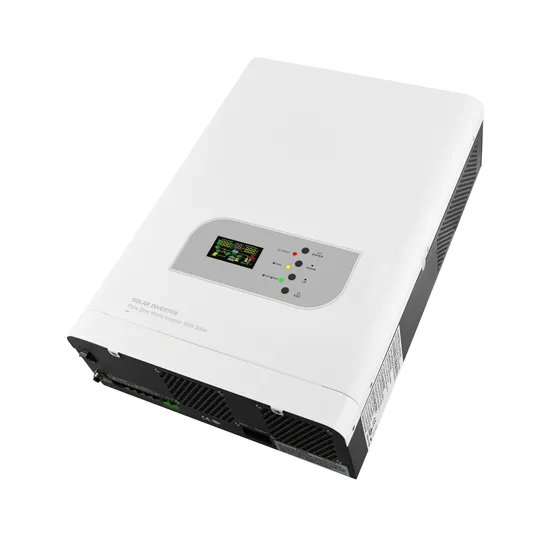
Establishment of a mobile small communication base station energy storage system
This article outlines a replicable energy storage architecture designed for communication base stations, supported by a real deployment case, and highlights key technical principles that ensure uptime and long service life. Power Challenges in Modern Base . . Did you know a typical 4G base station consumes 3-5 times more power than its 3G predecessor? With 5G deployment accelerating globally, mobile communication base stations now face unprecedented energy demands. Users can use the energy storage system to discharge during load peak periods and charge from the grid during low load periods, reducing peak load demand and saving electricity. . A base station (or BTS, Base Transceiver Station) typically includes: Base station energy storage refers to batteries and supporting hardware that power the BTS when grid power is unavailable or to smooth out intermittent renewable sources like solar. By combining solar, wind, battery storage, and diesel backup, the system ensures. .
[PDF Version]
-
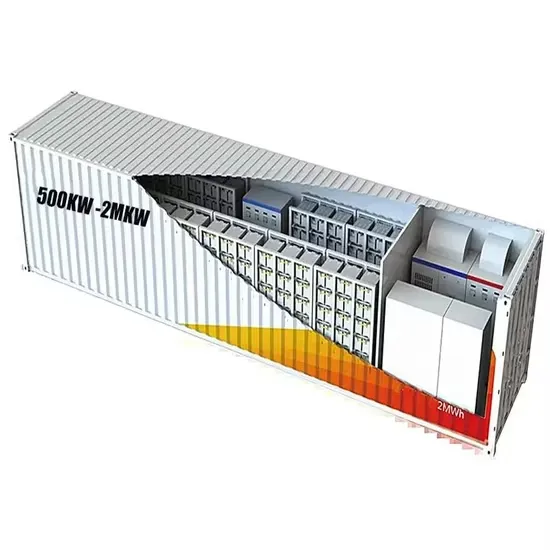
Mobile energy storage power station operation
Mobile energy storage power stations make this possible, offering scalable energy solutions for industries struggling with grid instability or remote operations. This guide explores real-world applications, operational advantages, and market data to help businesses optimize energy resilience. Why Mobile. . Energy storage systems enable a smarter and more resilient grid infrastructure through peak demand management, increased integration of renewable energy and through a myriad of additional applications. Compared to stationary batteries and other energy storage systems. . Mobile energy storage systems can be deployed to provide backup power for emergencies or to supplement electric vehicle charging stations during high demand, or used for any other application where electrical power is needed. It is a crucial flexible scheduling resource for realizing large-scale renewable energy. . Mobile battery energy storage systems offer an alternative to diesel generators for temporary off-grid power.
[PDF Version]
-
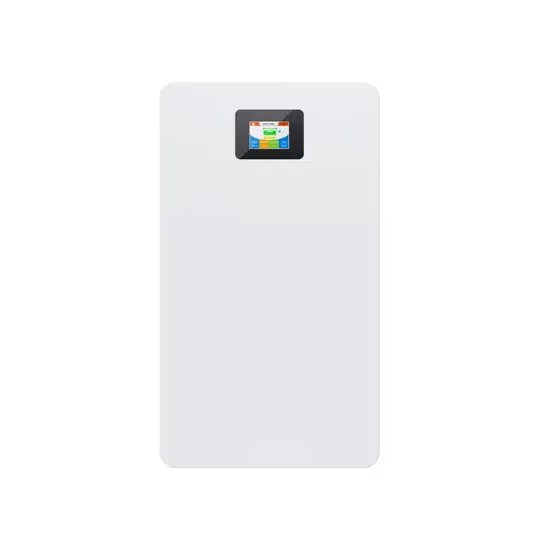
Lobamba Weather Station uses a 120-foot energy storage container
The Lobamba Station Energy Storage System (ESS) is revolutionizing how modern power grids manage energy. Designed to store excess electricity and release it during peak demand, this system plays a critical role in balancing supply and demand—especially in regions transitioning to. . Meta Description: Explore how the Lobamba Station Energy Storage System functions to stabilize grids, integrate renewables, and reduce energy costs. Discover its applications, benefits, and real-world impact in this detailed guide. Projects like Lobamba demonstrate how we can turn intermittent solar into 24/7 power. " –. . Huawei Digital Power has successfully commissioned what it claims is Cambodia's first grid-forming battery energy storage system (BESS) certified by TÜV SÜD. Designed to address energy. . TU Energy Storage Technology (Shanghai) Co. What is battery management system?Battery management. .
[PDF Version]
-
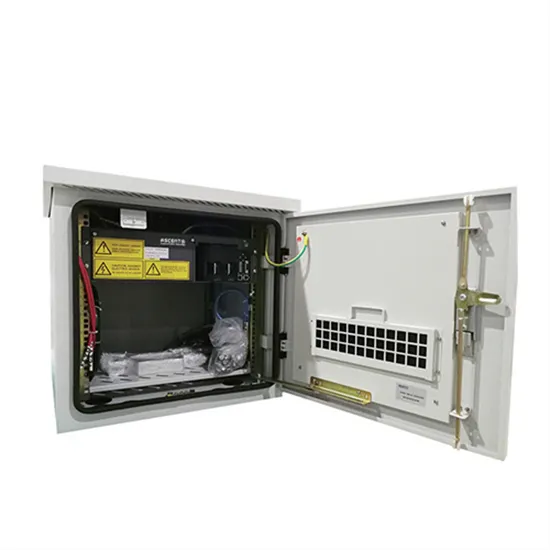
High-power mobile energy storage power station
Mobile high-power high-capacity energy storage stations offer several advantages over conventional energy solutions. Their portability means they can be transported and set up quickly wherever power is needed. These handy electricity suppliers vary in size, output, and energy source, not to mention durability. That's why we've tested 22 models since 2022; some we've kept on. . After researching and testing dozens of portable power stations over the past seven years, we found that the River 2 Pro easily stands out from the competition. It offers lots of power for its size and price, and it has a wide array of outlets and charging ports, an easy-to-use interface, and a. . Atlas Copco's consolidated Energy Storage System (ESS) range is at the heart of the power supply transformation. Article updated on December 5, 2025 at 2:24 PM PST Sq. Feet of Lab Space CNET staff -- not advertisers, partners or business interests -- determine how we review products and services. But why should you care? Let's dive in.
[PDF Version]
-
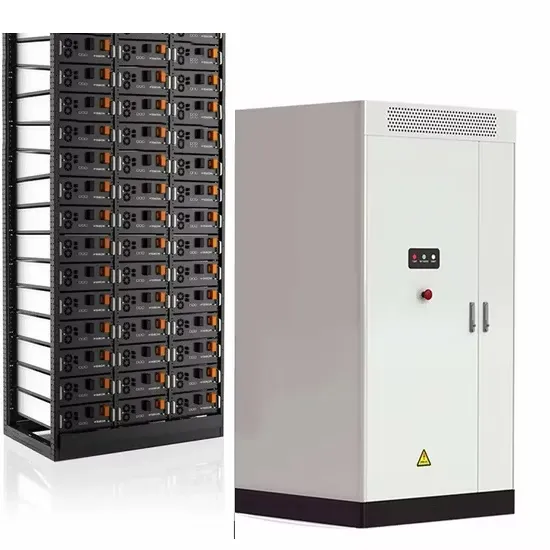
Construction of mobile energy storage power station in South Sudan
A public-private partnership in South Sudan has launched the country's first major solar power plant and Battery Energy Storage System (BESS) in the capital Juba, where it is expected to provide electricity to thousands of homes. . The East African country has an electricity access rate of 8. 4% (as of 2022) Image: The recently launched 20MW solar energy plant in South Sudan. The solar farm is under development by a consortium comprising Elsewedy Electric Company of Egypt, Asunim Solar from the United Arab Emirates (UAE) and I-kWh Company, an energy consultancy firm also based. . y"s first large scale PV power proj an seeks to expand Garri Power Station. The Garri Power Station, which was established in 1960, has a generation capacity of 1,745MW and uses hydropower to generate 40% of its electricity supply, n kilowatt-hours of green power per day.
[PDF Version]
 MENU