
-
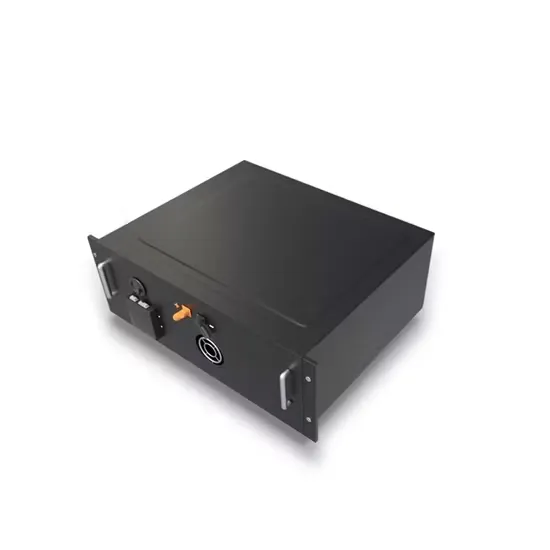
1635 size cylindrical solar energy storage cabinet lithium battery
Featuring lithium-ion batteries, integrated thermal management, and smart BMS technology, these cabinets are perfect for grid-tied, off-grid, and microgrid applications. They assure perfect energy management to continue power supply without interruption. Constructed with long-lasting materials and sophisticated technologies inside. . The CellBlock EMS (Exhaust Monitoring System) is a cabinet add-on that enhances battery charging and safe storage. Designed for use in a climate controlled environment, it regulates temperature and provides active smoke monitoring with an alarm system. Explore reliable, and IEC-compliant energy storage systems designed for renewable integration, peak shaving, and backup power.
[PDF Version]
-
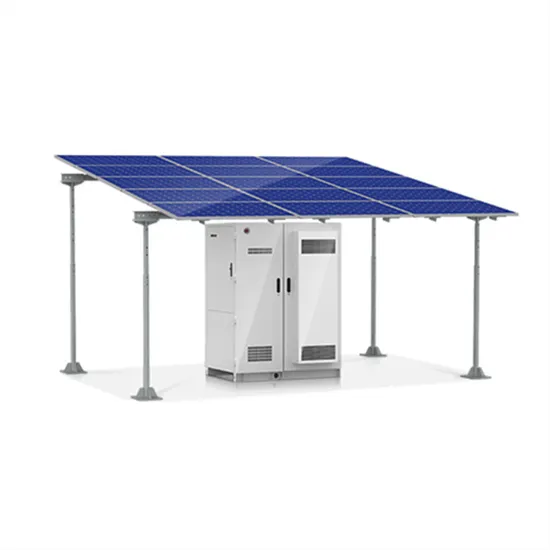
How many watts does the solar battery cabinet lithium battery pack output
The powerful lithium batteries installed in the pre-wired cabinet provide power for critical loads, load sharing during night hours, or when grid power is at peak rates. STORAGE: Combined, these two batteries create a 230VDC 192 AH battery bank that stores an impressive 44,228. . The AIMS Power Pure Sine Hybrid Inverter's simple but comprehensive design eliminates the need for extra equipment, providing an efficient solution for users interested in off grid battery backup, net metering, and load sharing all in one product. KIT: This kit includes 1 AIMS Power PIHY9600 9. 6 kW. . and smart product. Integrated power co trol systems (PCS). Works with select Generac standby generators and ecobe ro a ze kup �F ( 20. . Recycled cardboard content is minimum 70% (50% in US). Some products are eligible in some geographies, please verify if it's available in your country. Oversized and budget sit in idle capacity.
[PDF Version]
-
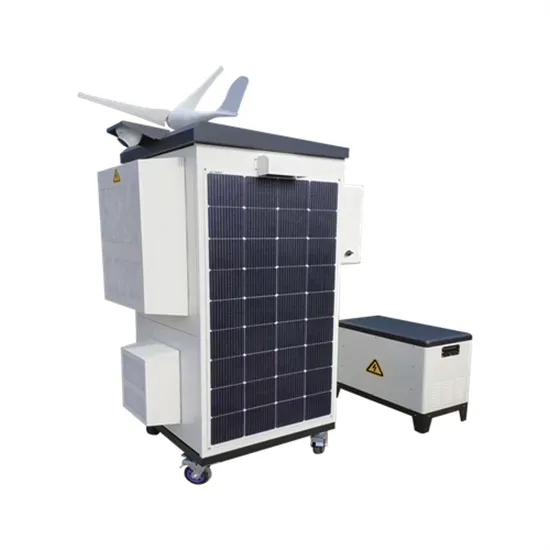
Asia solar energy storage cabinet solar battery cabinet capacity
This article shares four field-proven configurations—from compact 5 kW setups to 10 kW off-grid cabinets—highlighting design rationale, commissioning notes, and the business impact typical in the region. . This guide will help you choose the right energy storage cabinet based on your specific needs. Types of Energy Storage Systems Relies entirely on solar power to charge batteries via solar panels and an MPPT controller, converting DC to AC for your load. Ideal for areas without grid access. The battery cabinet adopts a modular design and can be flexibly expanded; it is compatible with 320Ah large battery cell design and has higher energy density, and. . Namkoo NKB Series 215kwh commercial & industrial energy storage system adopts the all in one design concept. 6% power conversion efficiency.
[PDF Version]
-
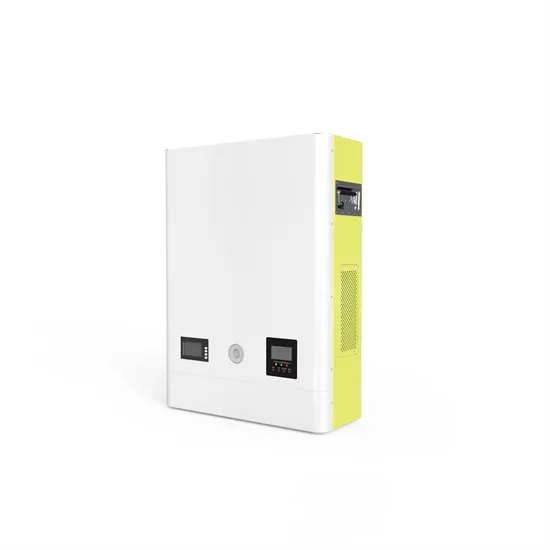
Lisbon rechargeable solar battery cabinet price
Inventory, pricing and datasheets from authorized distributors of part lisbon+120a+solar+battery+cabinet+lithium+battery+pack. Use the trusted source to find the lowest prices and most stock. . Let this complete battery management system charge and maintain your auxiliary batteries by incorporating AC, DC, and solar inputs. Compatible with lithium as well as traditional lead acid, gel. Compatible with lithium as. . Most industrial off-grid solar power sytems, such as those used in the oil & gas patch and in traffic control systems, use a battery or multiple batteries that need a place to live, sheltered from the elements and kept dry and secure. How much lithium is in the global market in 2023? The market shifted dramatically in 2023, and S&P's latest estimate pegged. . TrustedParts. com was created by ECIA in collaboration with participating distributors as a free service to support the authorized electronic components industry by giving users access to aggregated price and availability data for genuine parts from only authorized sources. energy throughput 2 tially expensive and devastating threat to your work environment.
[PDF Version]
-
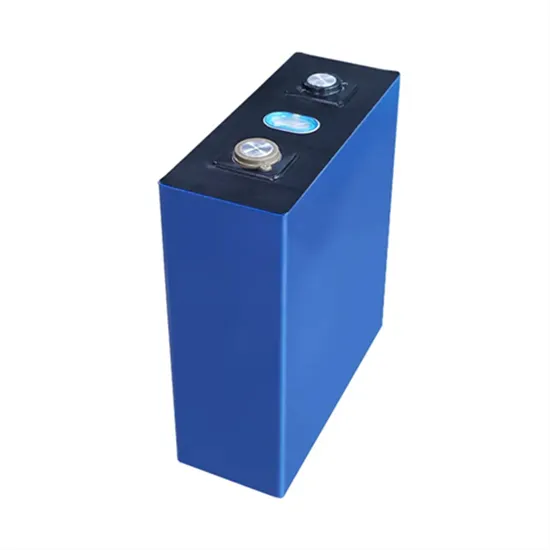
Does solar container need to be equipped with a battery cabinet to be used
Battery enclosures are essential components of off-grid solar systems for a number of reasons including: physical protection from outside elements including people and weather patterns, maintaining consistent temperatures, and meeting the requirements of the National Electric. . Battery enclosures are essential components of off-grid solar systems for a number of reasons including: physical protection from outside elements including people and weather patterns, maintaining consistent temperatures, and meeting the requirements of the National Electric. . A solar power container is a self-contained, portable energy generation system housed within a standardized shipping container or custom enclosure. These turnkey solutions integrate solar panels, inverters, batteries, charge controllers, and monitoring systems into a single transportable unit that. . Spaces about battery systems shall comply with 110. Working space shall be measured from the edge of the battery cabinet, racks, or trays. The advantage of this container design lies in its convenience and mobility. Why Do I Need One? Battery enclosures are. . In this rapidly evolving landscape, Battery Energy Storage Systems (BESS) have emerged as a pivotal technology, offering a reliable solution for storing energy and ensuring its availability when needed.
[PDF Version]
-
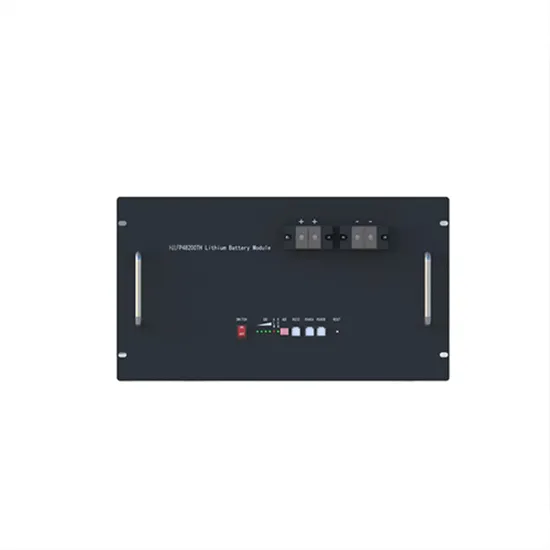
How much does a household solar battery cabinet cost for 100kWh of electricity
Most solar battery storage systems cost $10,000 on average, with most ranging between $6,000 and $12,000. Prices range from $400 for small units to over $20,000 for larger systems. Key cost factors include battery type, capacity, installation labor, and additional. . Adding an energy storage battery to a residential solar panel system typically costs $7,000 to $18,000. The final price depends on what you buy and who installs it. Why trust EnergySage? How much do solar batteries cost? How much do solar batteries cost in your state? What impacts the cost of solar batteries? Picture this: The grid goes down during a summer storm. . Most families find that a 13–15 kWh battery covers all "essential loads" during outages. Expect to pay between $10,000 and $19,000 for a complete residential battery installation, including labor, hardware, and permits. Why such a wide range? The biggest factor is size, measured by how many kilowatt-hours (kWh) of. . The cost of home battery storage has plummeted from over $1,000 per kilowatt-hour (kWh) a decade ago to around $200-400/kWh today, making residential energy storage increasingly accessible to homeowners.
[PDF Version]
 MENU