
-
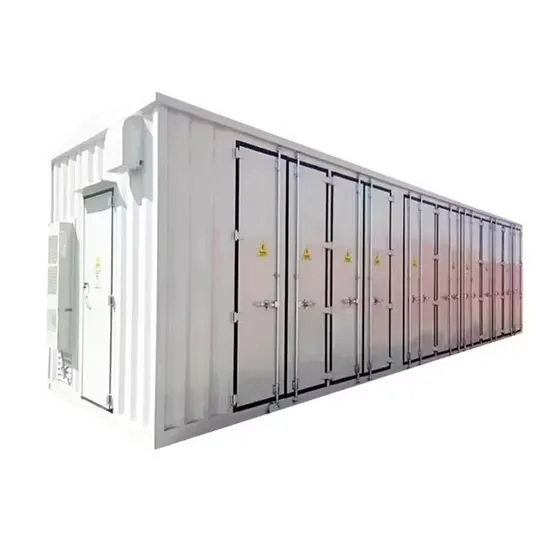
Is a lithium battery plus an inverter a mobile power supply
While both provide backup power, they serve fundamentally different purposes. Inverters convert DC power (like car batteries) into AC power for household devices, whereas portable power stations are all-in-one battery systems with built-in inverters, outlets, and charging ports. Inverters are commonly used in homes, offices, and small businesses to provide backup power. A Lithium UPS. . Selecting the right inverter for lithium battery applications is one of the most critical decisions when designing a modern energy system. Whether you are building a residential solar setup, a commercial backup power solution, or a mobile energy system for an RV, marine vessel, or electric vehicle. . An inverter is an electronic device that converts direct current (DC) from sources like batteries into alternating current (AC), which is the type of electricity most household appliances use.
[PDF Version]
-
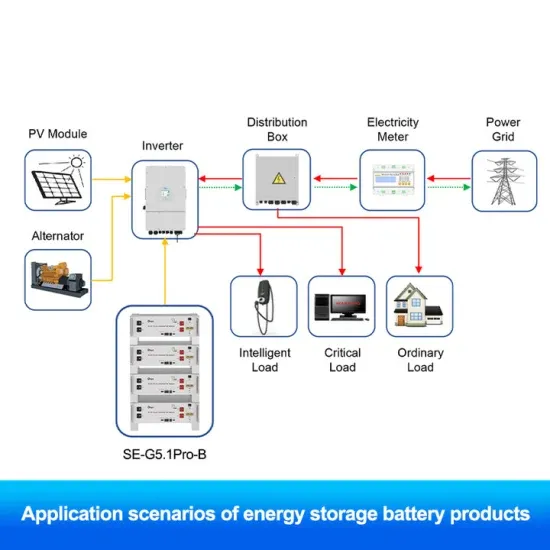
Solar container lithium battery outdoor power inverter
This guide highlights top inverters and compatible lithium battery systems that maximize performance, safety, and monitoring. The selections focus on modular, scalable setups suitable for home backup, solar storage, RVs, and off-grid living. . RPS supplies the shipping container, solar, inverter, GEL or LiFePo battery bank, panel mounting, fully framed windows, insulation, door, exterior + interior paint, flooring, overhead lighting, mini-split + more customizations! RPS can customize the Barebones and Move-In Ready options to any design. . Check each product page for other buying options. Price and other details may vary based on product size and color. . Its pure sine wave inverter delivers a steady 600W and peaks at 1200W, handling everything from small appliances to sensitive electronics without hiccups. The 92% efficiency really makes a difference, cutting down energy loss and giving me more usable power from the sun's rays. A clean setup that fits tight spaces.
[PDF Version]
-
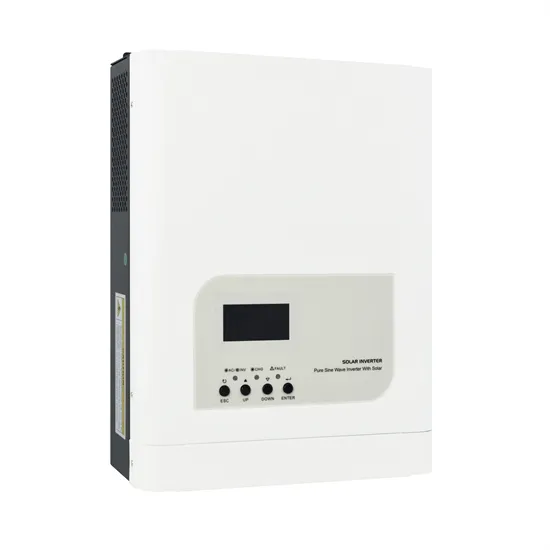
Emergency solar container lithium battery home inverter
This guide highlights five top-rated systems that blend high-capacity LiFePO4 storage, strong AC output, intelligent monitoring, and versatile charging options. . RPS supplies the shipping container, solar, inverter, GEL or LiFePo battery bank, panel mounting, fully framed windows, insulation, door, exterior + interior paint, flooring, overhead lighting, mini-split + more customizations! RPS can customize the Barebones and Move-In Ready options to any design. . Complete battery storage systems for emergency power & solar battery backup. Some battery storage systems are designed to use your existing grid-tied solar system. . Emergency Power Containers, also referred to as containerized solar energy systems or foldable PV storage containers, have become the go-to solution for disaster recovery zones, off-grid campuses, and mobile telecom networks. The best kits offer a powerful source of clean, reliable energy for any non-traditional power needs.
[PDF Version]
-
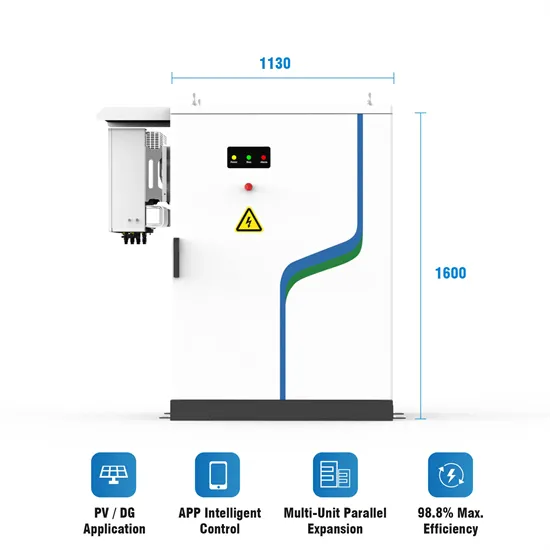
One-kilowatt-hour lithium battery outdoor power supply
PWM controller, inverter, LED emergency light and lithium battery 2. Battery Capacity: 24V, 43AH 1100 wh 3. Output Power: 1000W; Peak Power: 2000W 4. Charged by grid or solar power (optional) 5. DC Output: 24V/20A . . The global portable power bank market is projected to reach $25. 5 billion by 2030 (Source: Allied Market Research), with outdoor enthusiasts and emergency responders driving demand. 5kg, features high-quality Hithium battery cells with a lifespan of up to 10,000 cycles. It's easy to assemble and maintain, affordably priced, and provides a 230V / 200W AC output for off-grid or emergency power needs. AC Output: 220V/110V, 50Hz/60Hz, pure sine wave 6. Take Your Wall Outlet Anywhere: Increased 2000W AC (3500W Surge) inverter allows you to run. . The powerful and compact LPS provides power to your 230 VAC and 12 VDC appliances without the complexities of additional equipment. . The Mango Power E Home Backup & Portable Power Station stands out as an ideal choice for homeowners seeking a reliable and versatile power solution during outages or outdoor activities, thanks to its impressive 3. 5kWh capacity and 3kW AC output.
[PDF Version]
-
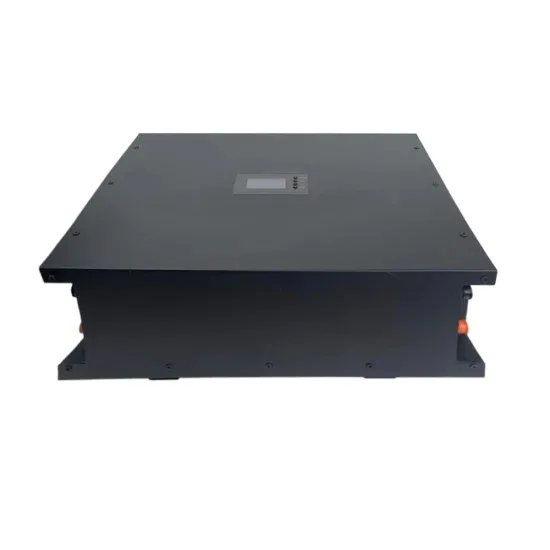
High rate lithium battery energy storage solution
Lithium-ion batteries remain the leading choice for energy storage solutions due to their high energy density, efficiency, and scalability. 25MWh Energy Storage Solution is tailored for the North American market and the 4-hour long-duration energy storage application scenarios. They power a wide range of applications including portable electronics, electric vehicles, and utility-scale grid storage. The market is growing rapidly with. . From utility-scale BESS and second-life EV batteries to non-flammable lithium systems and solid-state designs, these innovators are powering the grid of the future. 20 Frameworks, Startup Intelligence & More! Executive Summary: Which are the Top 10 Battery Storage Startups to Watch? Luxera Energy. . Due to increases in demand for electric vehicles (EVs), renewable energies, and a wide range of consumer goods, the demand for energy storage batteries has increased considerably from 2000 through 2024. Their high energy density means more power can be stored in a smaller, lighter package compared to older battery chemistries. Furthermore, modern lithium battery technology. .
[PDF Version]
-
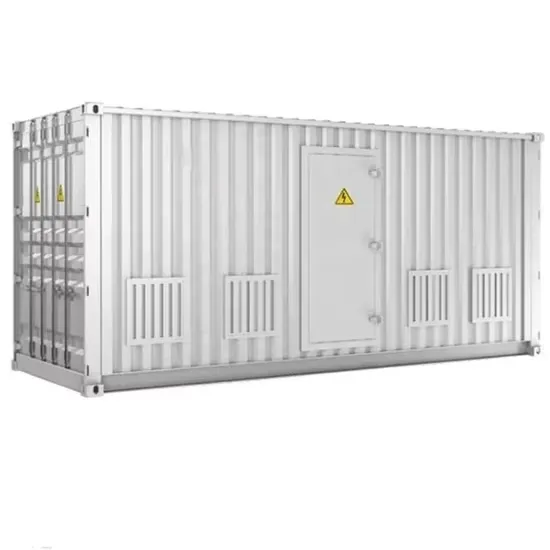
Angola solar energy storage cabinet lithium battery energy storage power supply price
Here's a realistic look at the costs you can expect in 2025: The Heart: 10kWh LiFePO4 Battery: Expect to pay between €4,200 and €5,800. Popular and reliable choices include the Huawei LUNA2000 and Tesla Powerwall 3. The Inverter: A crucial component costing between €1,500 and. . Like buying a car, BESS pricing depends on your configuration: Did you know? Solar-integrated BESS systems can reduce long-term costs by 30-40% through renewable energy optimization. A local hospital installed a 50 kWh lithium-ion BESS in 2023. Results: Why Choose EK SOLAR for. . Such a pricing scheme provides users with incentives to invest in behind-the-meter energy storage and to shift peak load towards low-price intervals. The most common type of energy storage in the power grid is pumped hydropower. Next-generation thermal management systems maintain optimal. . Let's cut to the chase: battery energy storage cabinet costs in 2025 range from $25,000 to $200,000+ – but why the massive spread? Whether you're powering a factory or stabilizing a solar farm, understanding these costs is like knowing the secret recipe to your grandma's famous pie. Let's unpack this solar bonanza: These aren't just numbers on a spreadsheet.
[PDF Version]
 MENU