
-
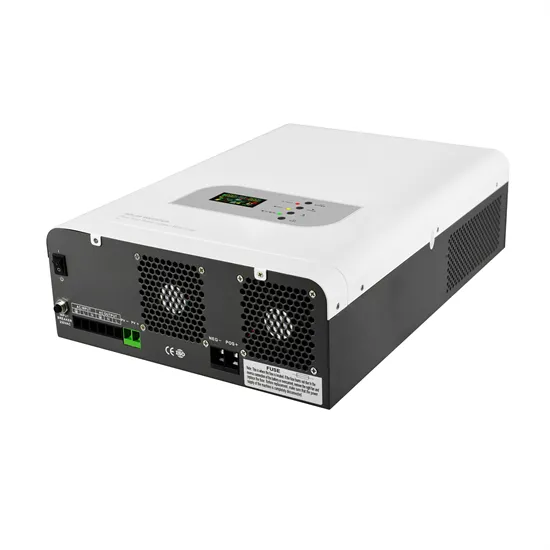
Deep discharge of lithium iron phosphate solar outdoor power cabinet
While lithium-ion batteries, including LiFePO4, can technically be discharged to 100% DoD without immediate damage, it is best practice to keep DoD below 80% for prolonged battery life. . Lithium iron phosphate (LiFePO4) batteries are a cornerstone of modern solar and energy storage systems, valued for their safety, stability, and long-term performance. One of the. . LiFePO4 batteries offer exceptional value despite higher upfront costs: With 3,000-8,000+ cycle life compared to 300-500 cycles for lead-acid batteries, LiFePO4 systems provide significantly lower total cost of ownership over their lifespan, often saving $19,000+ over 20 years compared to. . For many battery types, that “run it until it's empty” habit—known as deep discharge—can quietly shorten its life and leave you stranded when you need power most. The tricky part? Deep discharges aren't always intentional. Parasitic drains, forgotten accessories, and even faulty chargers can slowly. . Having recently had a 4 x 100 Ah LiFePO4 system installed, I am finding hard to shake off the habits learned from a crappy lead acid system & allowing the state of charge to dip to 50% goes against the instincts learned from past experiences. What am I safe to use out of these batteries? Lots of. . Depth of Discharge (DoD) refers to the percentage of a battery's capacity that has been used up compared to its total capacity.
[PDF Version]
-
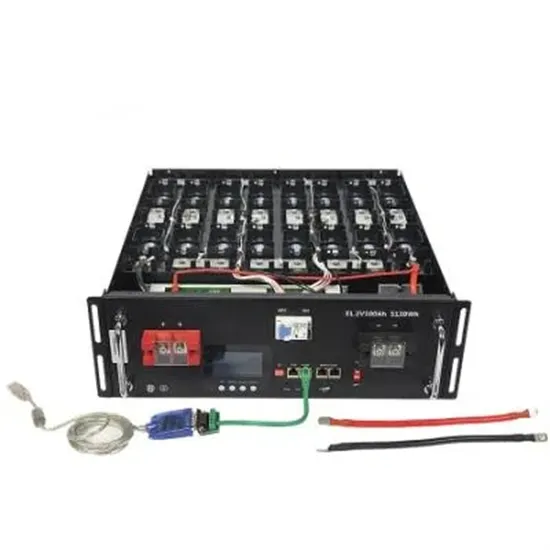
Top 10 brands of lithium iron phosphate battery station cabinets
10 best lithium iron phosphate battery manufacturers are BYD Corporation, A123 Systems, OptimumNano Energy, LiFeBATT, LITHIUMWERKS, CENS Energy Tech, RELiON Batteries, Bharat Power Solutions, and Electric Vehicle Power System Technology (EVPST). Choosing a LiFePO4 battery for your needs is as good as choosing the right. . Its headquarters are located in Livonia, Michigan, in the United States. A123 Systems is a well-known company that specializes in designing and manufacturing advanced lithium-ion batteries and energy storage systems. Based on global market share and technical capabilities, the top 10 LiFePO4 battery manufacturers. .
[PDF Version]
-
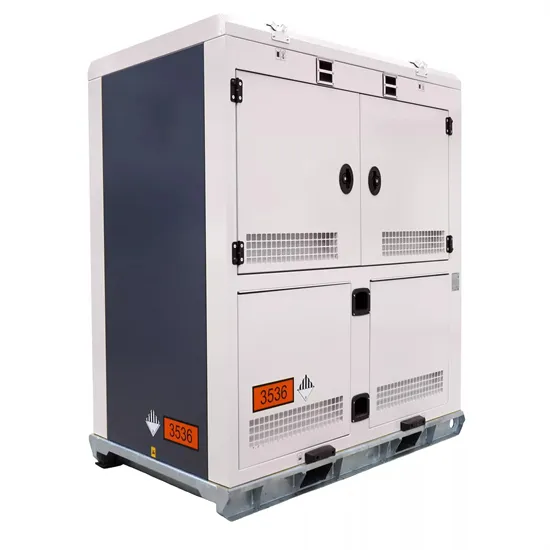
Zagreb lithium iron phosphate battery energy storage container price
Recent pricing trends show standard industrial systems (1-2MWh) starting at $330,000 and large-scale systems (3-6MWh) from $600,000, with volume discounts available for enterprise orders. . Why should you choose a lithium-ion battery storage container?Flexibility and scalability: Compared with traditional energy storage power stations, lithium-ion battery storage containers can be transported by sea and land, no need to be installed in one fixed place and subject to geographical. . The Tesla Megapack is a large-scale stationary product, intended for use at, manufactured by, the energy subsidiary of Launched in 2019, a Megapack can store up to 3. 9 megawatt-hours (MWh) of electricity. Whether used in cabinet, container or building applications, NESP Series. . As Europe accelerates its renewable energy transition, the Zagreb lithium battery energy storage project emerges as a groundbreaking solution for Croatia's power grid stability. [pdf] Costs range from €450–€650 per kWh for lithium-ion systems. [pdf] We innovate with solar photovoltaic. .
[PDF Version]
-
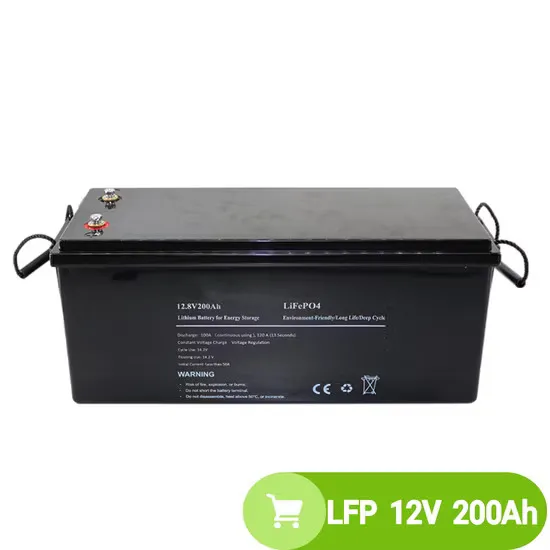
Vanuatu Lithium Iron Phosphate Battery Energy Storage Container Supplier
Leveraging lithium iron phosphate batteries utilized in hundreds of thousands of electric vehicles, Energport's solution provides unparalleled degrees of safety and reliability. An integrated inverter provides for plug and play. . The Energport line of outdoor commercial & industrial and utility scale energy storage systems provides a fully integrated, turnkey energy storage solution. Talk about a glow-up! Globally, the energy storage market is booming – we're talking $33 billion industry generating 100. . Costs range from €450–€650 per kWh for lithium-ion systems. It includes an. . When discussing energy storage lithium battery shell manufacturers in Vanuatu, we're addressing a niche yet critical sector. Did you know? Over. . How does 6W market outlook report help businesses in making decisions? 6W monitors the market across 60+ countries Globally, publishing an annual market outlook report that analyses trends, key drivers, Size, Volume, Revenue, opportunities, and market segments. This report offers comprehensive. . Lithium Iron Phosphate batteries offer several advantages over traditional lead-acid batteries that were commonly used in solar storage.
[PDF Version]
-
Lithium iron phosphate battery station cabinet cycle times
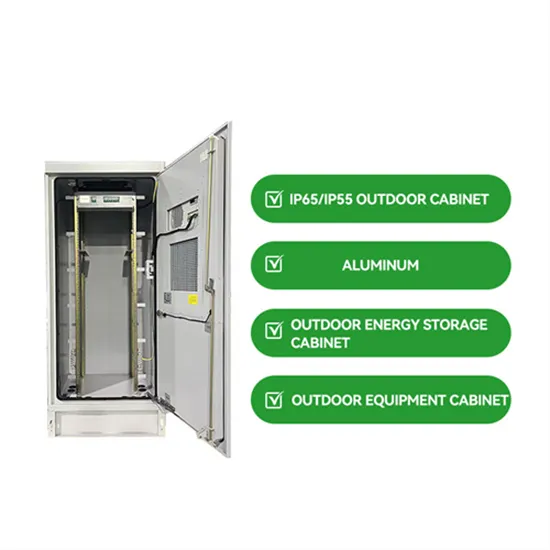
Cycle life (100% DOD) ≥ 3000 cycles; Cycle life (80% DOD) ≥ 6000 times; Cycle life (50% DOD) ≥ 8000 times. . Quick Answer: LiFePO4 battery cycle life — also known as the life cycle of a lithium iron phosphate (LFP) battery — determines how many times it can be charged and discharged before its capacity drops significantly. Even with 100% depth of discharge, they can achieve over 4000 cycles. However, despite their advantages, issues related to battery degradation and capacity loss during use persist. What is Cycle Life? Cycle life refers to the number of. .
[PDF Version]
-
Which lithium iron phosphate battery energy storage container is best in Taipei
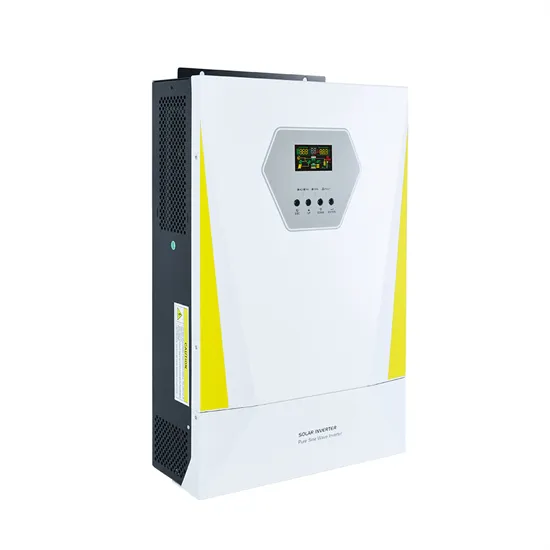
This guide dives deep into LFP battery storage best practices, demystifying temperature, humidity, charging protocols, and physical safeguards to help you maximize performance and lifespan. Unlike lithium-ion counterparts, LFP batteries inherently resist thermal. . As grid decarbonisation intensifies and renewable energy penetration deepens, stationary battery energy storage systems (BESS) have become indispensable in modern power systems. While lithium iron phosphate (LFP) has become the dominant chemistry for today's stationary applications, Solid-State. . The Narada NESP Series LFP High Capacity Lithium Iron Phosphate batteries are designed for a broad range of BESS solutions providing a wide operating temperature range, while delivering exceptional warranty, safety, and life. Renowned for their remarkable safety features, extended lifespan, and environmental benefits, LiFePO4 batteries are transforming sectors like electric vehicles. . Storage Guide for Lithium Iron Phosphate Batteries: A Comprehensive Analysis Lithium Iron Phosphate (LFP) batteries are renowned for their longevity, safety, and durability—making them a top choice for residential energy storage, RVs, marine applications, and off-grid systems. But even the toughest. . Containerized Battery Energy Storage System (CBESS) is an important support for future power grid development, which can effectively improve the stability, reliability, and power quality of the power system.
[PDF Version]
 MENU