
-
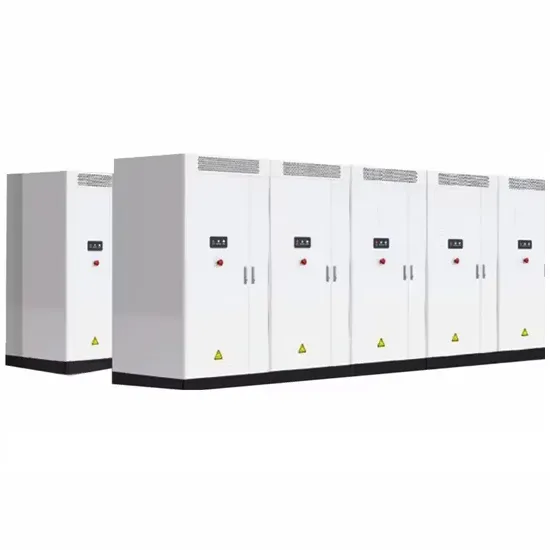
Classification of South Sudan Wind Energy Storage Systems
Sudan"s New Energy Storage Industry Project: Lighting Up the Future with Sunshine & Innovation Ever wondered what happens when a sun-drenched nation decides to turn its scorching rays. Page 2/4 Classification of South Sudan Wind Energy Storage . . Further research was suggested to investigate the wind resource in South Sudan using alternative methods (taking direct measurements and comparisons of different reanalysis models) besides exploring the feasibility of the development of large-scale wind power projects in the north-north eastern. . South Sudan is a landlocked country in East-Central Africa. Wind energy poten ial generally poor during rainy season. Locations south and north east f the country have the least potential. Possibility of development of small w an Sudan do with abundant onshore wind? With abundant onshore wind,Sudan can adopt. . Fuel Cells for Hydrogen Energy Storage (HES) The hydrogen generated by an electrolyzer is stored in a tank until it is needed. When the stored hydrogen is needed, it is fed into a fuel cell where it reacts with oxygen to generate electricity and water. HES has several advantages as an energy. . It typically includes lithium-ion or LiFePO4 batteries, a battery management system (BMS), inverters, and an energy management system (EMS).
[PDF Version]
-
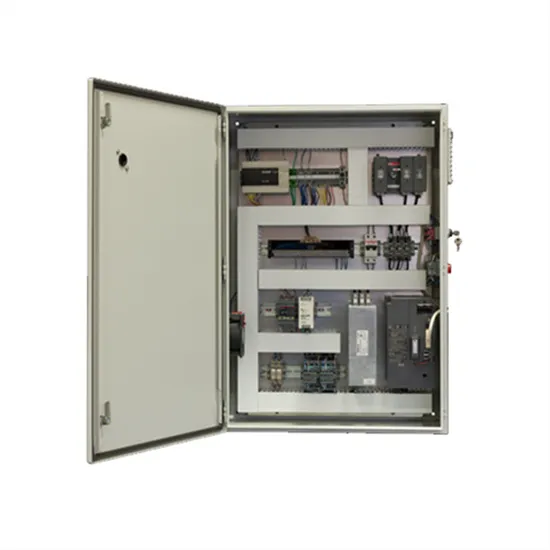
The largest number of battery energy storage systems for communication base stations
The market features numerous leading companies that specialize in energy storage solutions designed specifically for communication base stations. Some notable firms include Tesla, LG Chem, and Saft. . by an agency of the U. Government nor any agency thereof, nor any of their employees, makes any warranty, expressed or implied, or assumes any legal liability or responsibility for the accuracy, completeness, or usefulness, of any information, apparatus, product, or. . As telecommunication systems evolve towards greener technologies, companies focusing on energy storage for communication base stations are becoming essential players in facilitating this transition. Remote base stations often rely on independent power systems. Users can use the energy storage system to discharge during load peak periods and charge from the grid during low load periods, reducing peak load demand and saving electricity. . A base station (or BTS, Base Transceiver Station) typically includes: Base station energy storage refers to batteries and supporting hardware that power the BTS when grid power is unavailable or to smooth out intermittent renewable sources like solar.
[PDF Version]
-
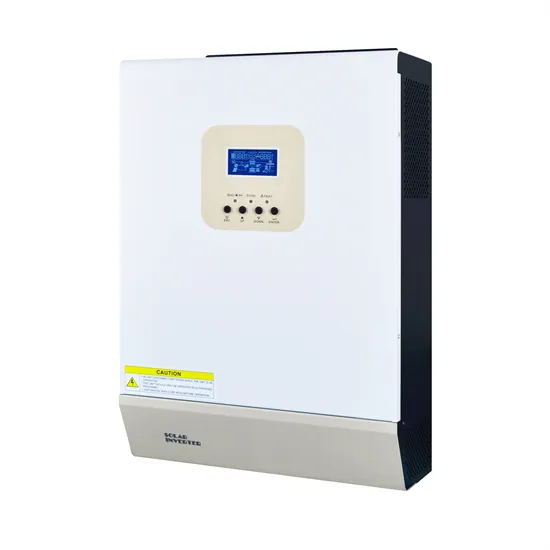
Intelligent Type of Lithium Battery Energy Storage Cabinet in the Middle East
This report explores the key dynamics shaping the battery market across the region: from the rise of lithium-ion and solid-state technologies to growing applications in energy storage, electric mobility, and industrial resilience. . As the Middle East accelerates its adoption of renewable energy and smart power solutions, FFDPOWER is proud to announce that a new batch of our energy storage cabinets is being assembled into containerized energy storage systems (ESS) and prepared for shipment to the region. This milestone. . The Middle East and Africa Battery Energy Storage System (BESS) Market Report is Segmented by Battery Type (Lithium-Ion, Flow Batter, and More), Connection Type (On-Grid and Off-Grid), Component (Battery Pack and Racks, Energy Management Software, and More), Energy Capacity Range (10 To 100 MWh. . The architects of alternate strategy. Lithium Battery Charging Cabinet Market size was valued at USD 3. 7 Billion by 2032, growing at a CAGR of 13. Battery storage is emerging as a critical enabler of the region's renewable energy transition, ensuring. .
[PDF Version]
-
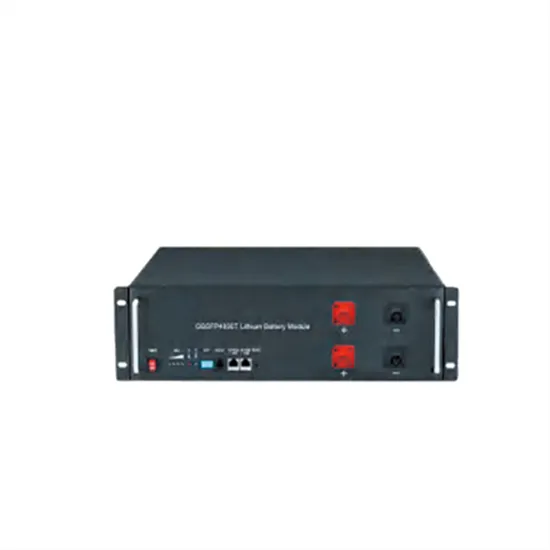
What lithium battery energy storage does China have
As reported by Energy Storage News, China plans on building an installed base of large-scale energy storage — primarily lithium-ion battery energy storage systems — to reach 180 gigawatts by the end of 2027, driving $35. 2 billion in direct project investment. 8 gigawatts, 40% of the global total. If China reaches its goal, the country would. . it in rechargeable batteries for use at a later date. When energy is needed, it is released from the BESS to power demand to lessen any he integration of demand- and supply-side management. An augmented focus on energy storage development will substantially lower the curtailment rate of renewable. . China imported almost 12 million short tons of raw and processed battery minerals, accounting for 44% of interregional trade, and exported almost 11 million short tons of battery materials, packs, and components, or 58% of interregional trade in 2023, according to regional UN Comtrade data. As of 2025, the country continues to expand its production capacity, innovation, and market. . China has emerged as a global leader in lithium-ion battery (Li-ion) production and storage solutions, driven by rapid advancements in renewable energy, electric vehicles (EVs), and energy storage systems (ESS). As the world transitions toward sustainable energy, China's dominance in Li-ion battery. .
[PDF Version]
-
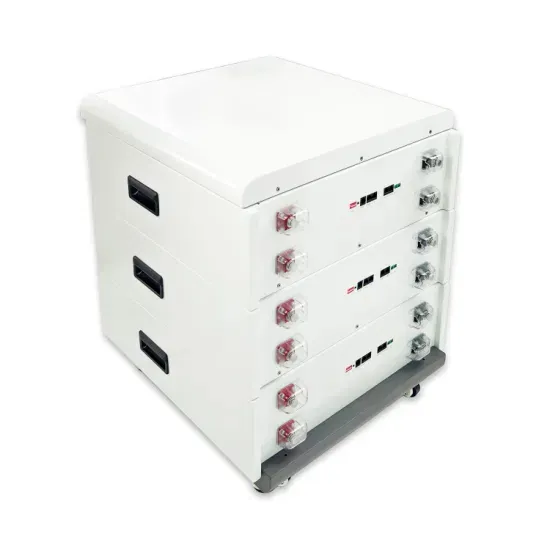
Solar container lithium battery solar container energy storage system prices in Bolivia
Let's analyze the numbers,the factors influencing them,and why now is the best time to invest in energy storage. $280 - $580 per kWh(installed cost),though of course this will vary from region to region depending on economic levels. . Short version: From 2024, it costs between $2,800 and $5,500 to ship a 20-foot container of solar panels around the world, depending on origin, destination, fuel prices, and demand. Solarcontainer. . Meta Description: Explore battery energy storage system prices in Bolivia, including market trends, key applications, and cost drivers. Current electricity storage system prices range between $280-$420/kWh for commercial applications, influenced by: "Bolivia"s energy storage capacity is projected to grow 300%. . Containerized Battery Energy Storage Systems, or BESS, are modular, scalable energy storage solutions that integrate batteries, PCS, BMS, EMS, and thermal management within a standard container. Here's a realistic look at the costs you can expect in 2025: The Heart: 10kWh LiFePO4 Battery: Expect to. . How much does lithium cost in Bolivia? Although the contracts estimate a lithium price of $30,000 per ton, Alarcon noted that a price of at least $10,000 — more or less where prices are now — is necessary to ensure the plants' commercial viability. But Bolivia's track record of lithium development. .
[PDF Version]
-
Imported cylindrical solar energy storage cabinet lithium battery
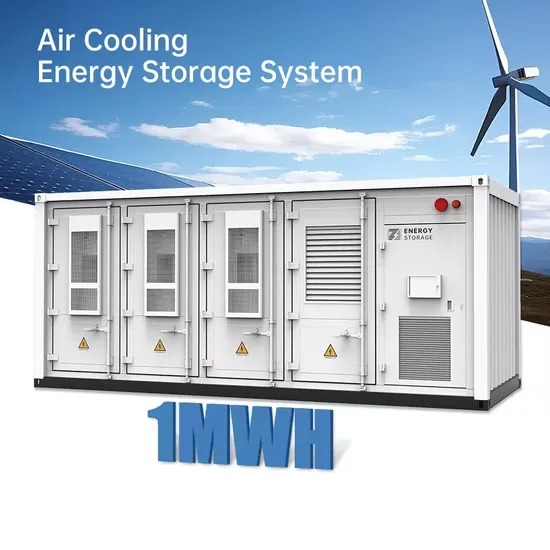
The Cabinet offers flexible installation, built-in safety systems, intelligent control, and efficient operation. It features robust lithium iron phosphate (LiFePO4) batteries with scalable capacities, supporting on-grid and off-grid configurations for reliable energy storage. . The least expense, the highest quality products. Our main products: Solar Energy Storage System, Solar Inverters, Solar Panels and Solar Batteries Lithium Ion Battery. Welcome to learn more about us. The choice. . KDM is your professional solar battery enclosure manufacturer in China. Protect your solar batteries with our tested, waterproof enclosures today! KDM solar battery cabinets provide you with the ultimate outdoor dust-tight. . AZE's all-in-one IP55 outdoor battery cabinet system with DC48V/1500W air conditioner is a compact and flexible ESS based on the characteristics of small C&I loads.
[PDF Version]
 MENU