
-
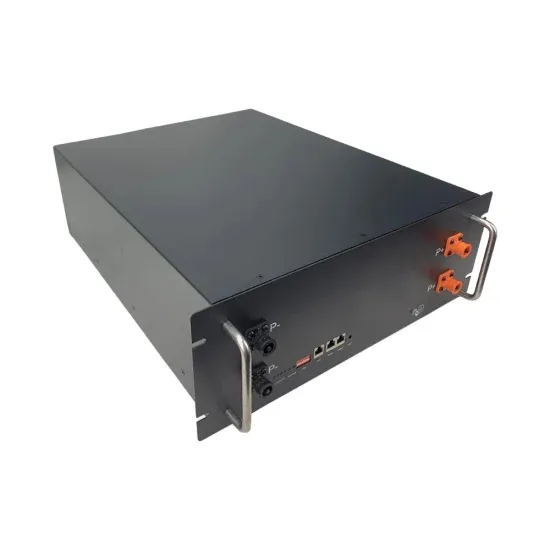
Recommended suppliers of industrial and commercial energy storage cabinets
Based on field research, customer feedback, and technical evaluations, we have identified the top three energy storage cabinet suppliers in the current market, analyzing industry trends and selection logic. For instance, Guangdong Province (including Shenzhen and Guangzhou) excels in advanced electronics infrastructure, enabling rapid prototyping and cutting-edge. . Summary: Discover how industrial and commercial energy storage cabinet manufacturers are revolutionizing power management across industries. Such systems are typically made up of multiple battery packs and inverters that work together to store and distribute energy as needed. Efficient integration with a. .
[PDF Version]
-
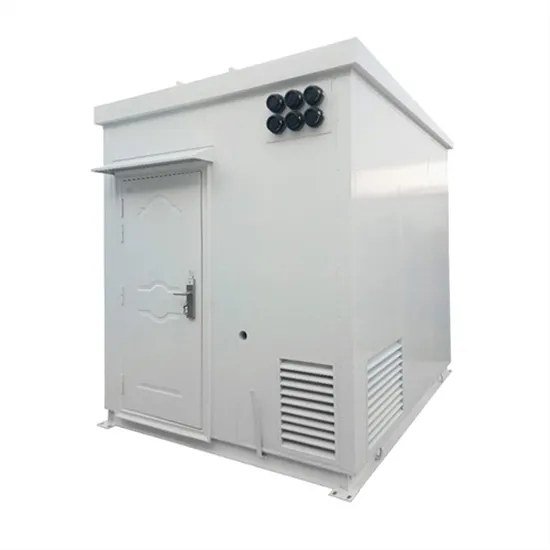
Power of a 40-foot outdoor energy storage liquid cooling container
Engineered to support both wind and solar energy, this outdoor system offers a high-capacity storage of up to 5 MWh, making it ideal for large-scale energy needs. It combines the best of air - cooling and liquid - cooling technologies, is adaptable,. 72MWH/5MWH Liquid Cooling BESS Container Battery Storage 1MWH-5MWH Container Energy Storage System. . The container system is equipped with 2 HVACs the middle area is the cold zone, the two side area near the door are hot zone. 40 foot Container can Installed 2MW/4. The batteries and converters, transformer, controls, cooling and auxiliary equipment are pre-assembled in the self-contained unit for 'plug and play' use. The system can be used to store electrical energy for commercial, industrial, or grid-scale applications. It is equipped with battery room, transformer. . 40HC containerised battery energy storage system with 7.
[PDF Version]
-
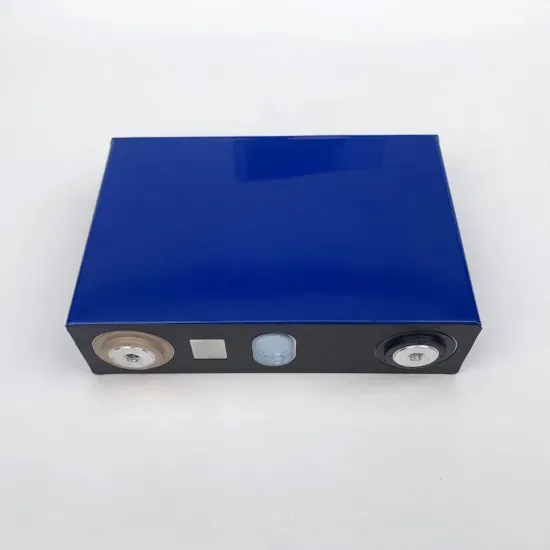
Liquid cooling standards for energy storage power station
This article examines how liquid cooling works in real-world energy storage environments, why it matters for decision-makers, and what practical considerations determine whether it delivers value at scale. . w Thermal Energy Storage Works. It uses standard cooling equipment, plus an energy storage tank to shift all or a portion of a building"s cooling need to off-peak, night time hours. During off-peak hours, ice is. . Air cooling is the most widely used thermal management method in small to medium BESS setups. It works by blowing cool air across the battery racks with fans or forced ventilation. For thermal power auxiliary frequency regulation, the energy storage system requires batteries with high discharge rates. . This article explores innovative cooling strategies for energy storage power stations, their impact on operational efficiency, and real-world applications shaping the industry.
[PDF Version]
-
Liquid cooling outdoor energy storage cabinet energy storage system composition
The "all-in-one" design integrates batteries, BMS, liquid cooling system, heat management system, fire protection system, and modular PCS into a safe, efficient, and flexible energy storage system. . SUNWODA's Outdoor Liquid Cooling Cabinet is built using innovative liquid cooling technology and is fully-integrated modular and compact energy storage system designed for ease of deployment and configuration to meet your specific operational requirement and application including flexible peak. . The commercial and industrial energy storage solution we offer utilizes cutting-edge integrated energy storage technology. Multi-level fire protection system, graded isolation interlocking protection, and a circular air duct design to ensure the safe and stable operation of the. . Project features 5 units of HyperStrong's liquid-cooling outdoor cabinets in a 500kW/1164. 8kWh energy storage power station. With its scalable capabilities, RAJA's battery system can meet project requirements of varying scale and is suitable for various. .
[PDF Version]
-
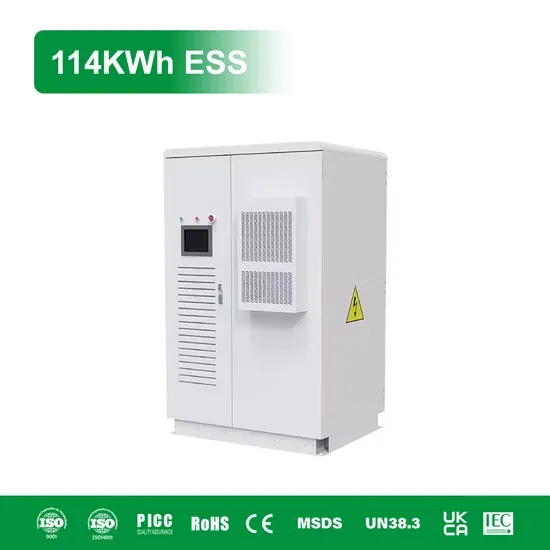
Nepal s industrial and commercial solar energy storage
Summary: Nepal is rapidly advancing its energy storage initiatives to address power shortages and integrate renewable energy. This article explores the country's progress, challenges, and innovative solutions like solar-storage hybrids and microgrids. Missed potential of solar energy For decades, Nepal has focused almost exclusively on hydropower development to meet its energy needs. Until. . Huawei Digital Power Nepal, in collaboration with the Confederation of Nepalese Industries (CNI), organized a dialogue on solar photovoltaic (PV) and energy storage sustainability. The event took place at the Huawei Exhibition Center in Hattisar, Kathmandu, bringing together over 80 key. . Solar PV has specific advantages as an energy source: once installed, its operation generates no pollution and no greenhouse gas emissions, it shows simple scalability in respect of power needs and silicon has large availability in the Earth's crust. Learn how these projects are reshaping Nepal's. .
[PDF Version]
-
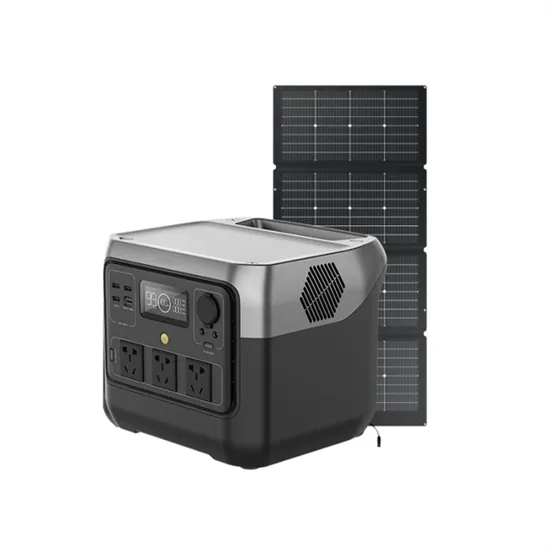
Energy storage industrial and commercial storage integrated machine price
On average, commercial and industrial energy storage systems cost between $320 and $480 per kilowatt-hour (system-level, installed). Department of Energy's (DOE) Energy Storage Grand Challenge is a comprehensive program that seeks to accelerate. . There is a need for a trusted benchmark price that has a well understood and internally consistent methodology so comparing the different technology options across different power and energy levels produces a reliable answer. When people ask “How much does. . Energy storage systems serve a key purpose in the energy markets, offering several benefits to both commercial businesses and grid operators, including: Demand charge reduction through peak shaving: This is achieved by dispatching the battery during peak hours (or events) to help an end user reduce. . Global industrial electricity prices surged 34% on average between 2020 and 2023, with European prices spiking 180% during the energy crisis. Commercial operators now achieve payback periods under five years through peak shaving and demand charge management. A Texas manufacturing plant reduced its. .
[PDF Version]
 MENU