
-
How many watts does a 12v 180 amp solar container lithium battery pack have
A 180 Ah battery has 720-watt hours (Wh) of energy. However, it is important to note that the actual amount of power that a battery. . Understanding your 12V battery type (lead-acid, lithium-ion, or NiCd) is crucial for selecting the right solar setup and ensuring efficient charging. Battery capacity, measured in amp-hours, directly impacts how much solar wattage is required to fully charge a battery within a given timeframe. Let's clear some things up first: When we ask about 12V watts, we actually mean watt-hours. Days of Backup: Input the number of days your system needs to provide backup power.
[PDF Version]
-
Solar container lithium battery pack charging and discharging integrated
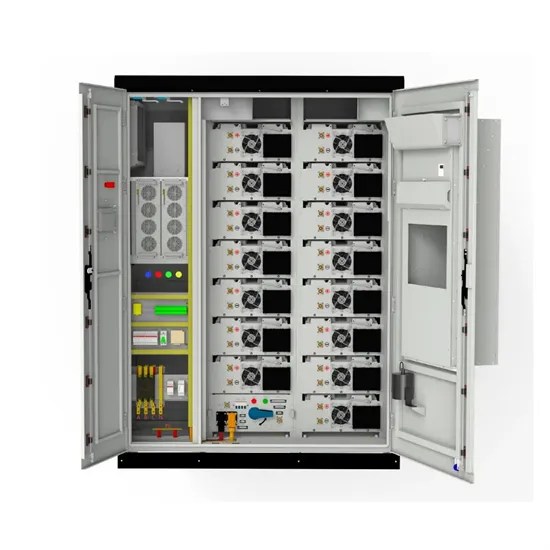
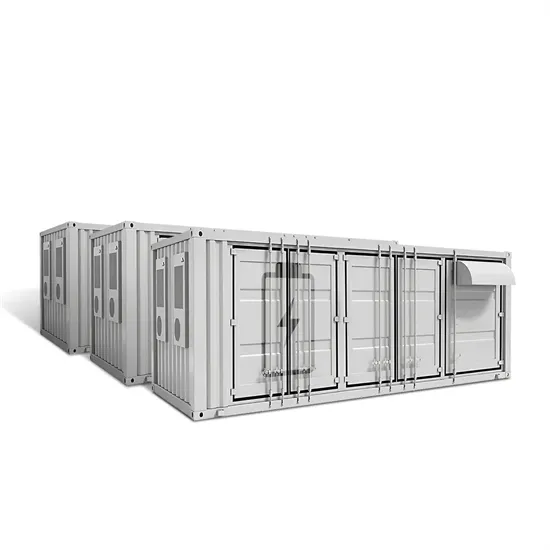
Containerized energy storage system uses a lithium phosphate battery as the energy carrier to charge and discharge through PCS, realizing multiple energy exchanges with the power system and connecting to multiple power supply modes, such as photovoltaic array, wind energy, power. . Containerized energy storage system uses a lithium phosphate battery as the energy carrier to charge and discharge through PCS, realizing multiple energy exchanges with the power system and connecting to multiple power supply modes, such as photovoltaic array, wind energy, power. . Adding Containerized Battery Energy Storage System (BESS) to solar, wind, EV charger, and other renewable energy applications can reduce energy costs, minimize carbon footprint, and increase energy efficiency. Get ahead of the energy game with SCU! 50Kwh-2Mwh What is energy storage container? SCU. . We combine high energy density batteries, power conversion and control systems in an upgraded shipping container package. Lithium batteries are CATL brand, whose LFP chemistry packs 1 MWh of energyinto a battery volume of 2. Our design incorporates safety protection. . Container Energy Storage System (CESS) is an integrated energy storage system developed for the mobile energy storage market. The battery is a crucial component within the BESS; it stores the energy ready to be dispatched when needed.
[PDF Version]
-
4 2v solar container lithium battery pack production
The production process for Chisage ESS Battery Packs consists of eight main steps: cell sorting, module stacking, code pasting and scanning, laser cleaning, laser welding, pack assembly, pack testing, and packaging for storage. . This paper explores this implementation potential by detailing the engineering aspects of lithium-ion battery-packs for solar home systems,and elaborating on the key cost factors,present and future. Are lithium-ion. . ● The development and production of battery storage systems is thus a promising and future-oriented branch of industry with considerable economic potential. Based on the brochure "Production process of lithium-ion battery cells", this brochure presents the process chain for the production of. . Chisage ESS has been in the field of solar battery for many years and is committed to producing high-quality energy storage battery packs. Lithium batteries are CATL brand, whose LFP chemistry packs 1 MWh of energyinto a battery volume of 2. Our design incorporates safety protection. . At the heart of the battery industry lies an essential lithium-ion battery assembly process called battery pack production.
[PDF Version]
-
Solar container lithium battery pack degradation in northern winter
In extremely low temperatures below 32°F or 0°C, lithium batteries are prone to voltage drops and may trigger low-voltage protection circuits. . A poorly winterized solar battery can lose up to 30% of its capacity, reducing its lifespan by several years. Charging problems: Difficulty recharging lithium batteries at temperatures below 0°C. Whether you are using a lithium battery-powered solar energy system or an off-grid setup, understanding the effects of cold weather and how to mitigate them is essential for. . However, lithium batteries in cold weather pose a common challenge: reduced battery performance, shorter range, slower charging, and even potential long-term damage to battery lifespan. Fortunately, proper storage and careful charging practices can mitigate these effects - two topics we'll be covering in this post.
[PDF Version]
-
Solar container lithium battery pack high voltage
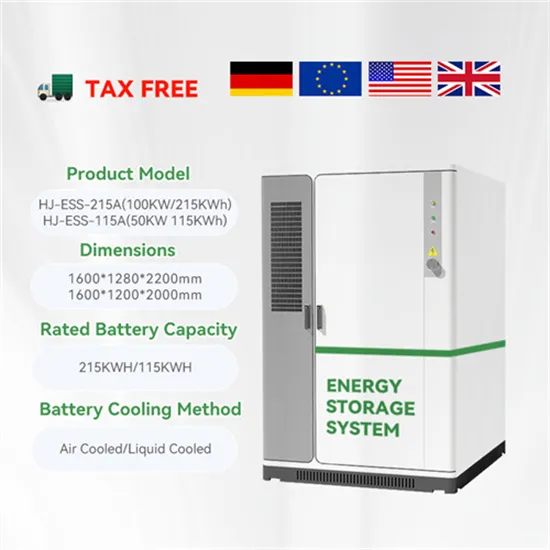
With modular configurations of 60KWh, 128KWh, and 215KWh, this high voltage lithium battery system is ideal for residential, commercial, and industrial solar applications, ensuring stable and efficient energy management. We build each pack to meet the performance and safety requirements of commercial, industrial, and transportation systems. Our high-voltage lithium-ion battery options are available in. . Boost your energy independence with BSLBATT high-voltage lithium battery packs, available from 100V to 1500V and 10kWh to 1MWh. These all-in-one systems are easy to install, expandable, and built for safety with IP67 protection and fire suppression. 4v 50 amp hour LiFePo4 battery modular.
[PDF Version]
-
Solar container lithium battery pack is connected in series
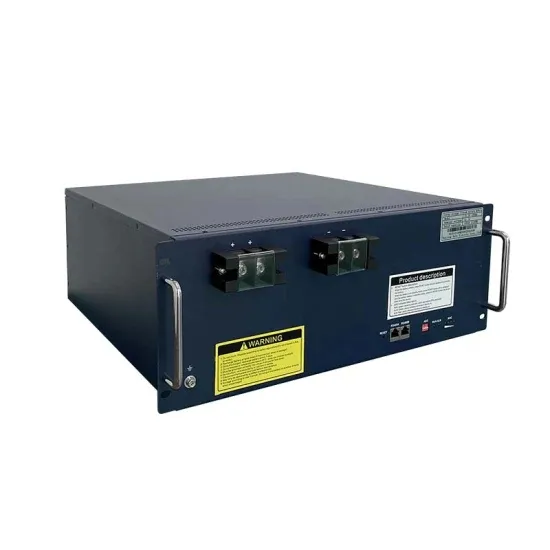
Connecting Lithium Solar Batteries in Series: To connect lithium solar batteries in series, you simply link the negative pole of one battery to the positive pole of the next battery. This ensures that the same current flows through all the batteries. When setting up lithium solar batteries,understanding how to connect them in series or parallel is crucial for maximizing. . The first thing you need to know is that there are three primary ways to successfully connect batteries: The first is via a series connection, the second is called a parallel connection, and the third option is a combination of the two called a series-parallel connection.
[PDF Version]
 MENU