
-
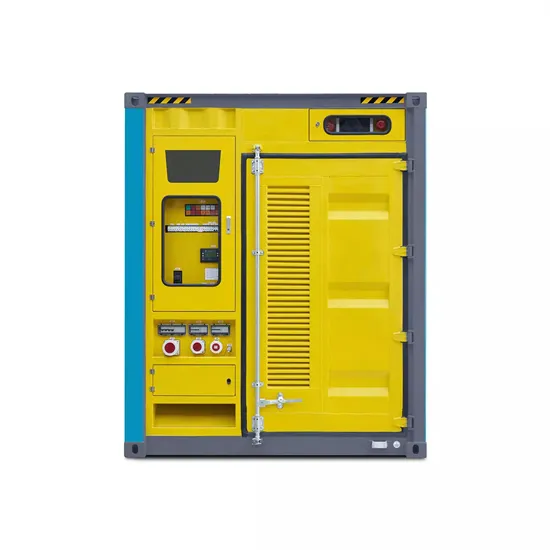
Gitega communication base station flywheel energy storage management content
This paper explores the integration of distributed photovoltaic (PV) systems and energy storage solutions to optimize energy management in 5G base stations. . Thanks to the unique advantages such as long life cycles, high power density, minimal environmental impact, and high power quality such as fast response and voltage stability, the flywheel/kinetic energy storage system (FESS) is gaining attention recently. How much energy is stored in a composite. . A battery energy storage system (BESS) or battery storage power station is a type of technology that uses a group of to store. Electrical energy is thus converted to kinetic energy for storage. For discharging, the motor acts as a generator, braking the rotor to. .
[PDF Version]
-
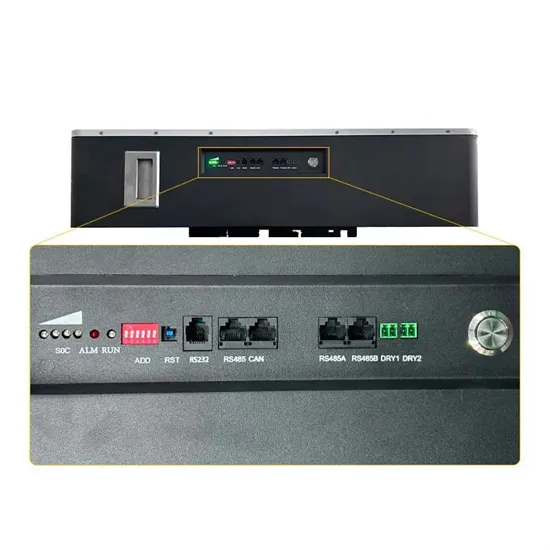
Is there a communication base station energy management system nearby
The energy solution for Telecom Base Station combines renewable energy,energy storage systems and intelligent energy management technology to meet the base station's demand for continuous power supply and ensure the stable,efficient and environmentally. . The energy solution for Telecom Base Station combines renewable energy,energy storage systems and intelligent energy management technology to meet the base station's demand for continuous power supply and ensure the stable,efficient and environmentally. . Energy storage systems allow base stations to store energy during periods of low demand and release it during high-demand periods. This helps reduce power consumption and optimize costs. What are their needs? A. . This inquiry focuses on specialized firms that engage in the development and provision of energy storage solutions tailored for communication base stations. Users can use the energy storage system to discharge during load peak periods and charge from the grid during low load periods, reducing peak load demand and saving electricity. . When natural disasters cut off power grids, when extreme weather threatens power supply safety, our communication backup power system with intelligent charge/discharge management and military-grade protection becomes the "second lifeline" for base station equipment.
[PDF Version]
-
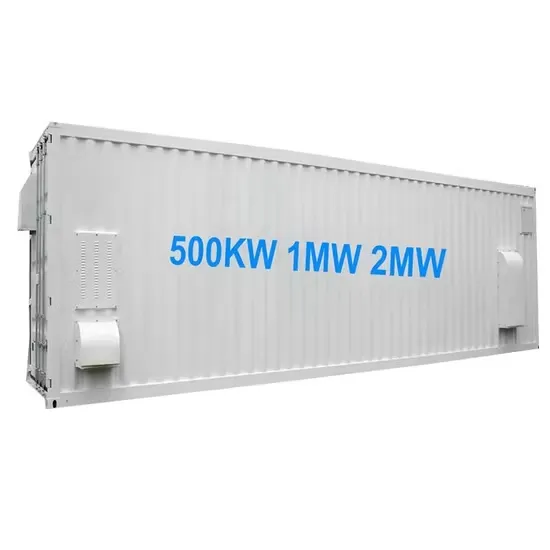
What is the situation of China s communication base station energy management system
The current national policies and technical requirements related to electromagnetic radiation administration of mobile communication base stations in China are described, including laws and regulations on electromagnetic radiation management, electromagnetic environmental. . The current national policies and technical requirements related to electromagnetic radiation administration of mobile communication base stations in China are described, including laws and regulations on electromagnetic radiation management, electromagnetic environmental. . China Mobile is dedicated to becoming a leading force behind China's leapfrog development of science and technology, making active contributions to the building of “Digital China”. The release of the C² China Mobile Carbon Peak and Carbon Neutrality Action Plan White Paper in 2024 outlined the. . As global mobile data traffic approaches 1,000 exabytes monthly, communication base station energy management emerges as the linchpin balancing digital transformation and climate action. Did you know a single 5G macro station consumes up to 3. 7 MWh annually – equivalent to powering 40 households?. 5G networks are the core engine driving the development of “Digital China” and “Internet of Everything”.
[PDF Version]
-
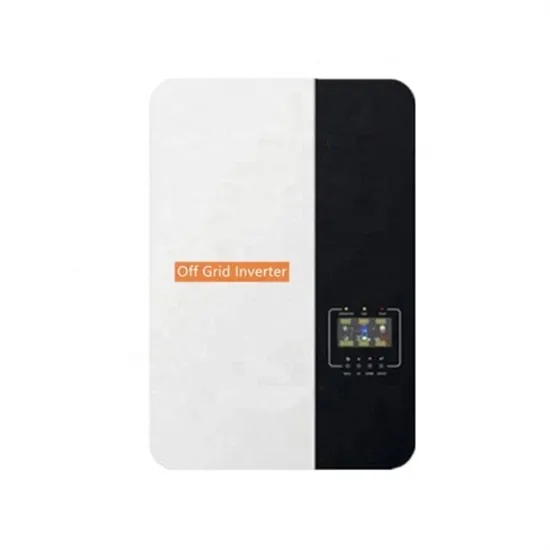
Communication base station energy management system
This article will analyze in depth how smart energy meters can play a crucial role in base stations using technologies such as Wi-Fi and mobile communications, achieving refined, automated, and dispute-free energy management. Mobile communication base stations are the main energy-consuming units in. . For base stations located in deserts or other extreme environments, independent power supply is essential, as these areas are not only beyond the reach of power grids but also unsuitable for fuel generators due to the lack of on-site personnel for maintenance. In such cases, energy storage systems. . Provide comprehensive BMS (battery management system) solutions for communication base station scenarios around the world to help communication equipment companies improve the efficiency of battery installation, matching, and usage management. The base station microgrid energy management system (BSMGEMS) is crucial to unleash these potentials. This paper presents a brief review of BSMGEMS. . Energy storage solutions play an essential role in maintaining the operational integrity of these stations, especially in areas prone to power outages or fluctuations.
[PDF Version]
-
How to protect the energy management system of small communication base stations
Various approaches have been proposed to reduce the energy consumption of an RBS, for instance, passive cooling techniques, energy-efficient backhaul solutions, and distributed base station design by using a remote radio head (RRH). . These systems harness solar energy to provide uninterrupted electricity, ensuring reliable operation of telecommunication equipment. This article presents a comprehensive energy management control strategy for an off-grid solar system based on a photovoltaic (PV) and battery storage complementary. . This article will analyze in depth how smart energy meters can play a crucial role in base stations using technologies such as Wi-Fi and mobile communications, achieving refined, automated, and dispute-free energy management. Recognizing this, Mobile Network Operators are actively prioritizing EE for both network maintenance and environmental stewardship in future cellular networks. The paper aims to provide. . It is shown that novel architecture and advanced methods allow for significant improvement of the energy efficiency (EE) of wireless systems [2].
[PDF Version]
-
Luxembourg communication base station energy storage cost price
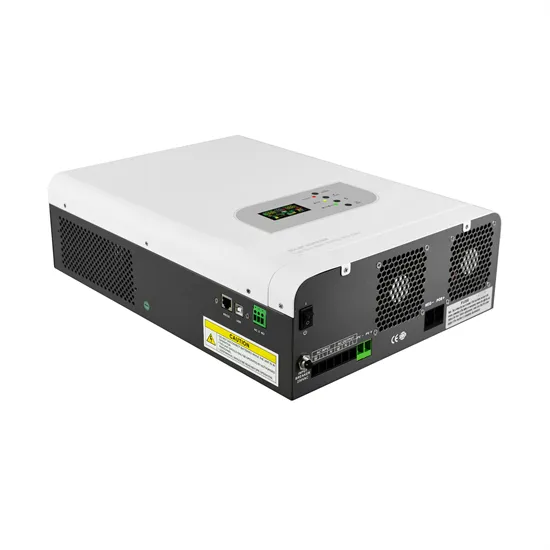
Recent industry analysis reveals that lithium-ion battery storage systems now average EUR300-400 per kilowatt-hourinstalled,with projections indicating a further 40% cost reduction by 2030. What happened to battery energy storage systems in Germany? Small-scale lithium-ion residential battery systems in the German market suggest that between 2014 and. . tem is used for communication base station equipment. This product is comp e unit, you can store your solar power for later use. . The landscape of utility-scale battery storage costs in Europe continues to evolve rapidly, driven by technological advancements and increasing demand for renewable energy integration. As we've explored, the current costs range from €250 to €400 per kWh, with a clear downward trajectory expected in. . As Luxembourg accelerates its renewable energy adoption, demand for reliable energy storage protection boards grows exponentially. At the same time, they"re lighter and more comp and constant. .
[PDF Version]
 MENU