
-
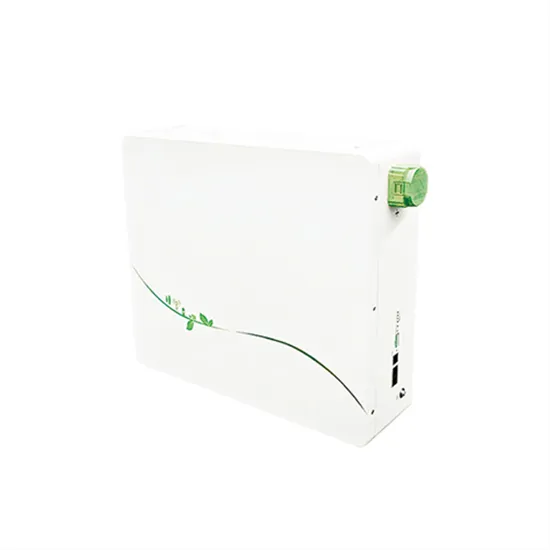
Types of energy storage boxes for charging piles in South Korea
Automation technologies are transforming operational workflows within the South Korean photovoltaic energy storage charging pile sector, driving substantial improvements in efficiency, cost management, and throughput. The maturity of AI use cases is accelerating, driven by robust data availability. . energy storage in South Korea""s electricity market: A. Specifically, using hourly day-ahead system marginal elec resents a huge potential to reduce greenhouse gas emissions. . What are key drivers in promoting clean energy? What policy instruments are there to achieve the national RE target 20% by 2030? How is the energy market structured and who are winning in the market? What business model proliferates in the market and why? What are key drivers in promoting clean. . RPS is the main policy tool that helps renewable energy projects become economically competitive by providing market-based incentive. htm (accessed January 10,2025). The energy storage rate q sto per unit pile length is calculated using the equation below: (3) q sto = m c w T i n. .
[PDF Version]
-
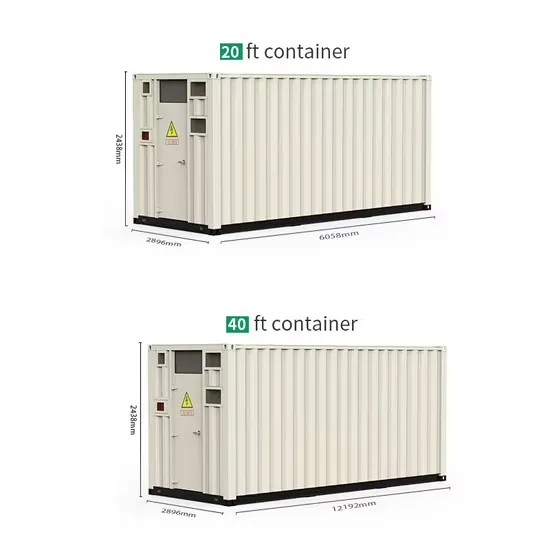
Which large energy storage cabinet is the best in Busan South Korea
Summary: This article explores the growing demand for energy storage aging cabinets in Busan, Korea, analyzing cost factors, industry applications, and innovative solutions. Discover market trends, real-world applications, and why. . South Korea Industrial and Commercial Energy Storage Cabinet Market size was valued at USD 0. 6 Billion in 2024 and is projected to reach USD 1. To cope with the problem of no or difficult grid access for base stations, and in line with the policy trend of energy saving and emission reduction, Huijue Group has launched an. .
[PDF Version]
-
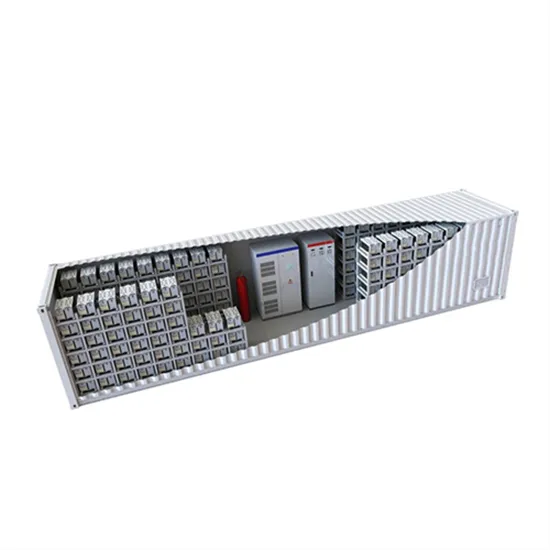
North Korea s energy storage solar rankings
Summary: North Korea's growing focus on solar energy storage batteries reflects its push for energy independence amid resource constraints. This article explores current trends, technical advancements, and real-world applications shaping this niche market. Why. . Energy storage systems (ESS) offer a viable path to: "A reliable ESS could reduce North Korea's annual energy deficit by up to 30%," estimates a 2023 report by the International Renewable Energy Agency (IREA). Renewable Energy Integration With solar capacity growing at 12% annually (2020-2024. . North Korea has quietly expanded its renewable energy projects over the past decade. The absence of these energy subsidies,aging infrastructure and a poor national. .
[PDF Version]
-
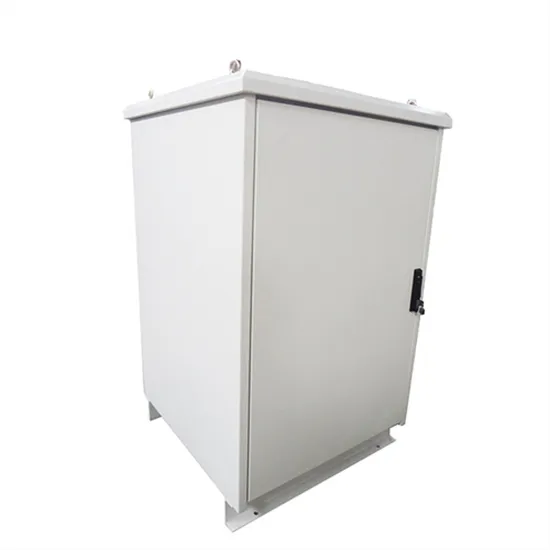
North Korea s home energy storage
Let's explore what drives household energy storage system prices in this market and why international suppliers are paying attention. " - Energy Market Analyst Report. . North Korea has quietly expanded its renewable energy projects over the past decade. Discover how solar, wind, and emerging technologies address power shortages while navigating geopolitical constraints. With limited access to global tech trends, how effective. . The Yeongdong PSH Plant, with a total capacity of 500 MW (250 MW x 2 units), is scheduled to be built in Yeongdong County, North Chungcheong Province, by 2030. With only 26% of rural households connected to the national grid (2024 Global Energy Watch Report), the demand for off-grid solutions has skyrocketed. But here's the kicker: while. .
[PDF Version]
-
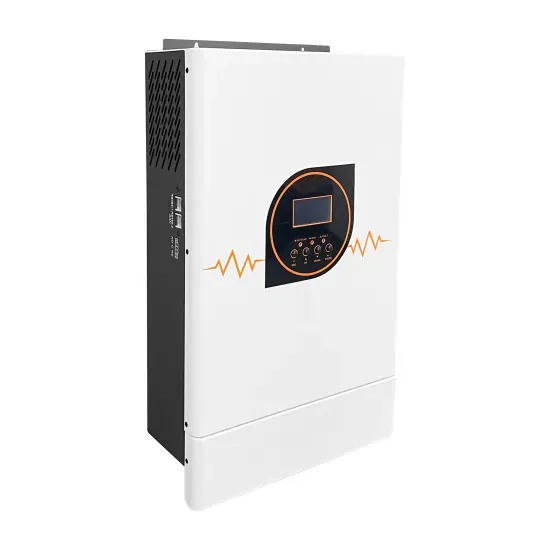
Windhoek Energy Storage New Energy
Let's cut to the chase: In December 2023, Windhoek made history by launching Namibia's first grid-scale energy storage system. This 54MWh project in Erongo Region isn't just a battery installation – it's a game-changer for a country where 70% of electricity was imported pre-2023 [1]. Entry-level. . Ever wondered how a desert nation could become a renewable energy trailblazer? Enter the Windhoek Energy Storage Project - Namibia's $280 million answer to solar power's "sunset problem. " -. . Liquid fuels Natural gas Coal Nuclear Renewables (incl. hydroelectric) Source: EIA, Statista, KPMG analysis Depending on how energy is stored, storage technologies can be broadly divided into the following t. "We've seen clients achieve 22% better performance simply by optimizing charge/discharge cycles using AI-driven controllers. At sunset, shopkeepers scramble for backup generators while students squint under flickering bulbs. Namibia imports 60% of its electricity despite having 300+ days of annual sunshine. Wait, no—actually, recent data shows it's closer to 330. .
[PDF Version]
-
Solar and energy storage power supply simultaneously
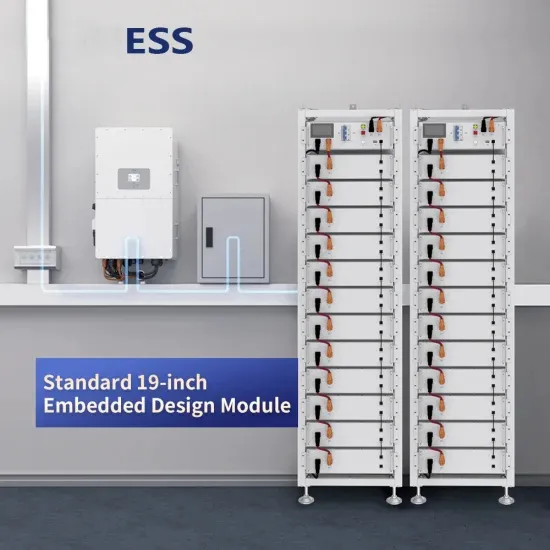
This study provides an insight of the current development, research scope and design optimization of hybrid photovoltaic-electrical energy storage systems for power supply to buildings and can serve as an e.
[PDF Version]
FAQS about Solar and energy storage power supply simultaneously
Why do we need a solar energy storage system?
The need for these systems arises because of the intermittency and uncontrollable production of wind, solar, and tidal energy sources. Therefore, a storage system that can store energy produced from renewable energy sources and then convert it into electrical energy when required is highly needed.
Can electrical energy storage systems be integrated with photovoltaic systems?
Therefore, it is significant to investigate the integration of various electrical energy storage (EES) technologies with photovoltaic (PV) systems for effective power supply to buildings. Some review papers relating to EES technologies have been published focusing on parametric analyses and application studies.
What is energy storage & how does it work?
Sometimes energy storage is co-located with, or placed next to, a solar energy system, and sometimes the storage system stands alone, but in either configuration, it can help more effectively integrate solar into the energy landscape. What Is Energy Storage?
Should solar energy be combined with storage technologies?
Coupling solar energy and storage technologies is one such case. The reason: Solar energy is not always produced at the time energy is needed most. Peak power usage often occurs on summer afternoons and evenings, when solar energy generation is falling.
 MENU