
-
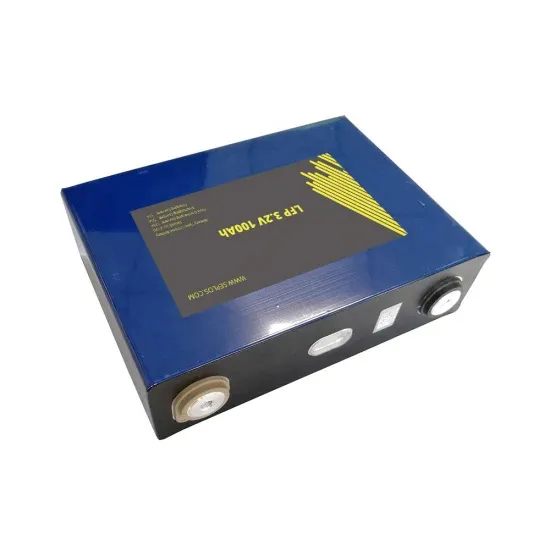
What are the battery solar container energy storage systems in San Marino
Major projects now deploy clusters of 20+ containers creating storage farms with 100+MWh capacity at costs below $280/kWh. Pre-fabricated containerized solutions now account for approximately 35% of all new utility-scale storage deployments worldwide. Nestled like a emerald in Italy's shoe, this microstate is showing macro-ambitions in energy innovation. With 34,000 citizens and more tourists than residents during peak seasons, San. . Containerized Battery Energy Storage Systems (BESS) are essentially large batteries housed within storage containers. These systems are designed to store energy from renewable sources or the grid and release it when required. Using smart design principles and experienced engineers, we create high-quality battery packs and modules.
[PDF Version]
-
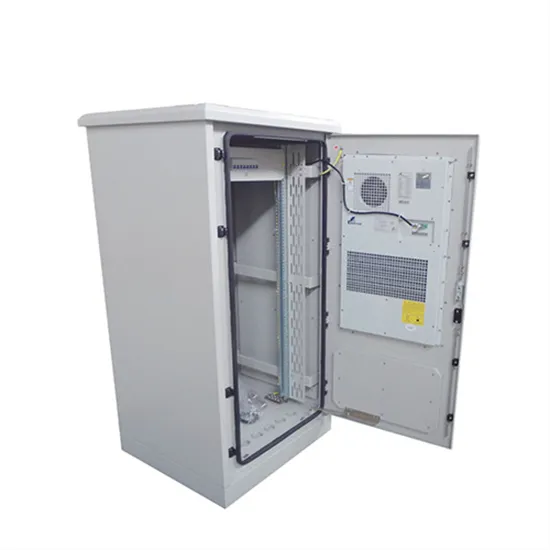
Policies on the construction of battery energy storage systems for communication base stations
This document offers a curated overview of the relevant codes and standards (C+S) governing the safe deployment of utility-scale battery energy storage systems in the United States. . by an agency of the U. While BESS technology is designed to bolster grid reliability, lithium battery fires at some. . Among various battery technologies, Lithium Iron Phosphate (LiFePO4) batteries stand out as the ideal choice for telecom base station backup power due to their high safety, long lifespan, and excellent thermal stability. What are the requirements for battery storage systems? When installing battery. . The one-stop energy storage system for communication base stations is specially designed for base station energy storage. Users can use the energy storage system to discharge during load peak periods and charge from the grid during low load periods, reducing peak load demand and saving electricity. . The traditional configuration method of a base station battery comprehensively considers the importance of the 5G base station, reliability of mains, geographical location, long-term development, battery life, and other factors. Can a bi-level optimization model maximize the benefits of base. .
[PDF Version]
-
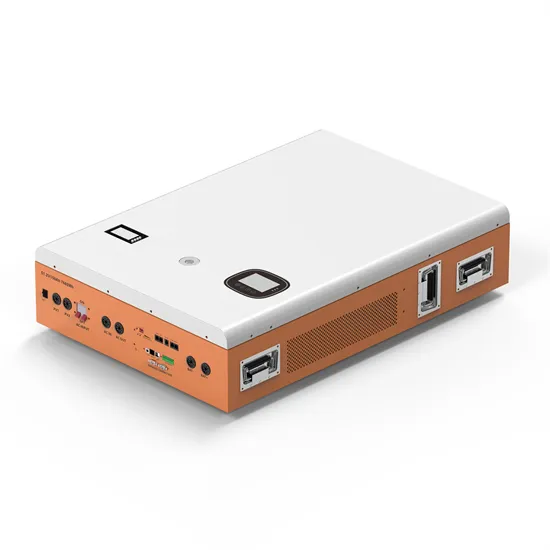
The dangers of battery solar container energy storage systems in solar container communication stations
Faulty wiring, improper grounding, or electrical overloads in an energy storage container can pose significant risks, including electrical shocks, short circuits, and fires. . The Lithium-ion Batteries in Containers Guidelines that have just been published seek to prevent the increasing risks that the transport of lithium-ion batteries by sea creates, providing suggestions for identifying such risks and thereby helping to ensure a safer supply chain in the future. What. . Apart from Li-ion battery chemistry, there are several potential chemistries that can be used for stationary grid energy storage applications. Challenges for any large energy storage system installation, use and maintenance include. . Battery Energy Storage Systems, or BESS, help stabilize electrical grids by providing steady power flow despite fluctuations from inconsistent generation of renewable energy sources and other disruptions. Over the last decade, the installed base of BESSs has grown considerably, following an increasing trend in the number of BESS failure. .
[PDF Version]
-
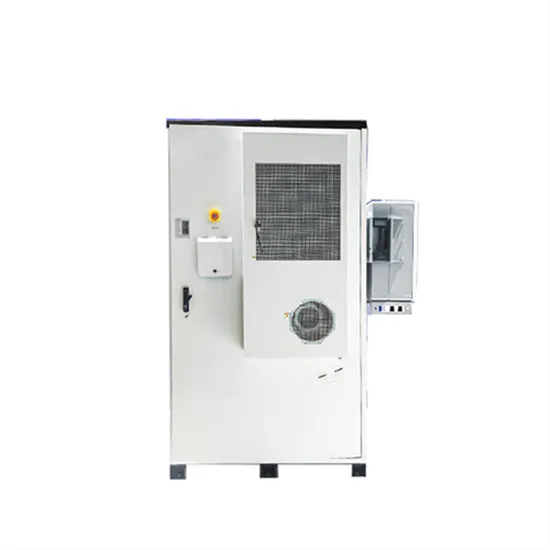
What are the subway battery energy storage systems
Numerous technologies are instrumental in subway energy storage systems, the most prominent being regenerative braking systems, lithium-ion battery storage, and supercapacitors. UNDERSTANDING THE ROLE OF. . This data was used to determine electrical power and energy consumption, regenerative braking power and energy, on board resistor power and energy dissipation, and total electrical energy available from braking (regenerative or non-regenerative). It is mainly made up of a battery pack, power conversion system, battery management system, and monitoring and control system. . Lithium-ion (Li-ion) batteries have long been the most common type of battery used in BESS, offering numerous advantages such as size and power density, making them affordable and versatile as a means of storage. However, these batteries aren't perfect; they can fail, so it's essential to. . A subway train brakes as it approaches Grand Central Station, converting kinetic energy into electricity that could power your neighborhood coffee grinder for 27 years.
[PDF Version]
-
Turkmenistan s special energy storage battery cost performance
Executive Summary In this work we describe the development of cost and performance projections for utility-scale lithium-ion battery systems, with a focus on 4-hour duration t the market for battery storage will expand. . As Turkmenistan accelerates its transition to sustainable energy, the demand for energy storage systems and EV charging piles has surged. Let's explore the pricing dynamics and market trends. . kmenistan in power, heat and transport sectors. The storage plant acts like a energy savings account, storing excess production during off-peak hours and releasing it when demand spikes - like during those 45?C summer days when every air conditioner in. . This is where photovoltaic (PV) energy storage batteries become critical. " The newly established factory specializes in. .
[PDF Version]
-
The main performance indicators of energy storage system are
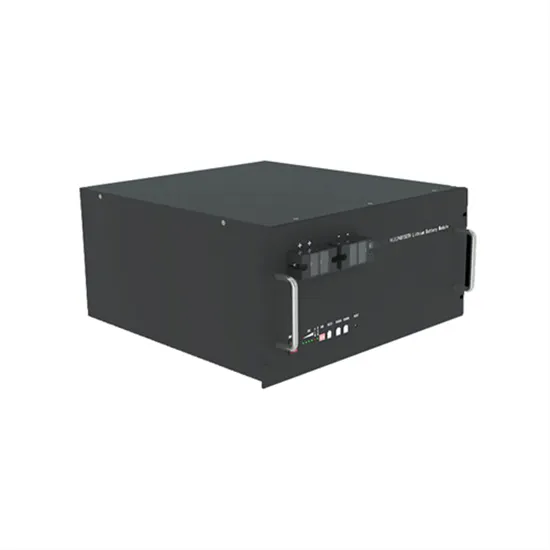
What are the indicators of energy storage equipment? 1. The indicators of energy storage equipment are crucial for understanding its performance, reliability, and suitability for different. . Energy capacity, usually shown in kilowatt hours (kWh), tells us just how much juice a system can hold inside. These numbers really matter for figuring out how well home batteries perform. . This report describes development of an effort to assess Battery Energy Storage System (BESS) performance that the U. This guide covers the most critical metrics that impact the performance, lifespan, and operational efficiency of BESS. Battery Capacity: The Foundation of Energy Storage Battery capacity defines. . For a complete set of BESS, the performance indicators that need to be paid attention to mainly include two aspects. Can these key numbers sharpen your competitive edge? Do you wonder if high customer retention and strong revenue per kilowatt-hour shape your growth? Explore optimized energy management and. .
[PDF Version]
 MENU