
-
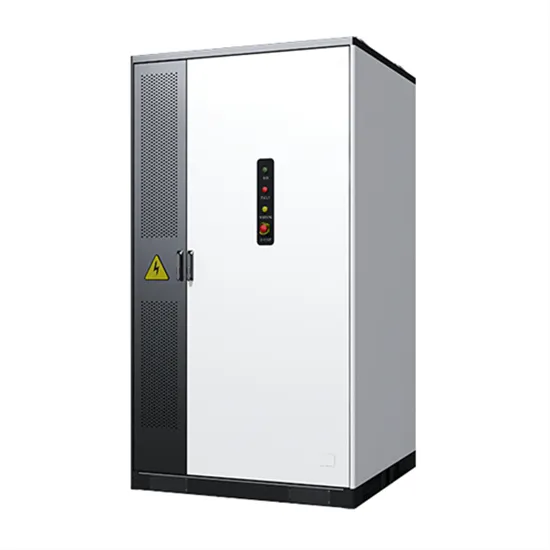
Oman solar outdoor cabinet 1MWh is better than generator
Discover how mobile solar containers deliver efficient, off-grid power with real-world data, innovations, and case studies like the LZY-MSC1 model. . A New Dawn for Oman's Energy Future Oman has taken a bold step into a cleaner, more sustainable future by signing a historic. "The flagship Project. . How to generate, store, and use 1000kWh of energy at the lowest possible cost. In commercial and industrial projects, 1000kWh equals 1MWh. This is the standard capacity for a serious 1MWh energy storage system used in factories, warehouses, telecom sites, office buildings, and solar-integrated. . SolaX Power's TRENE 1MWh liquid-cooling energy storage system has been engineered with these changing market dynamics in mind. Designed as a fully integrated, utility-grade cabinet, it prioritises efficiency, reliability and rapid deployment, addressing the core financial and operational concerns. . Life on our planet would be unthinkable without that large power station known as the sun. Solar energy is available almost anywhere. Where there is sunlight there is Electricity. What options do I have to buy the solar system? This section is dedicated for prospective solar electrication system. . Summary: Explore how Oman Outdoor Power Company delivers cutting-edge power solutions for industries like construction, event management, and renewable energy. First, we will take a look the basics of solar panels and solar battery backup system.
[PDF Version]
-
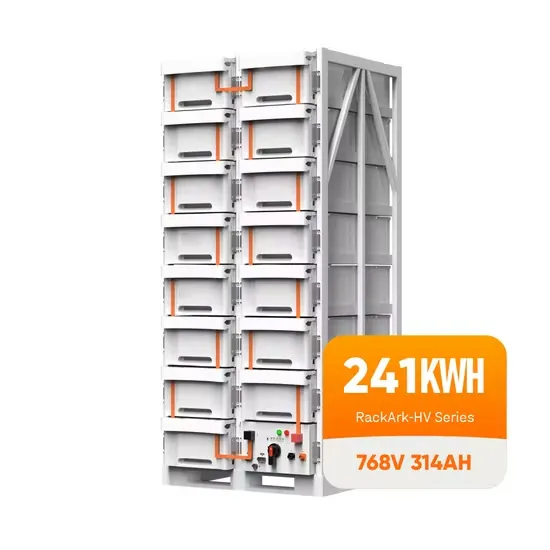
Cabine solar bess enclosure system volume calculation
This calculator provides a simplified estimation of battery energy storage system (BESS) sizing based on load demand, desired discharge time, depth of discharge, and system voltage. It's a starting point and doesn't account for all real-world factors. For global project developers, EPCs, and asset owners, mastering both aspects is critical for ensuring. . The first step in sizing a BESS is to assess your energy needs. Review your electricity bills for at least the past year to determine your average daily and monthly energy. .
[PDF Version]
-
Solar power station generator utilization hours
The Answer: A solar-powered generator can typically run for several hours to over a day, depending on battery capacity, sunlight conditions, and the power consumption of connected devices. Let's dive into the world of solar generators and uncover the factors that determine their runtime. To grasp. . The most crucial factor determining how long your solar generator will run is actually two-fold: A. How much electricity do you consume? Unless you have an additional backup power source — such as a duel-fuel generator — your solar generator will. . For example, if a power plant with a single generator that has an electricity generation capacity of 100 Megawatts (MW) operates at that capacity continuously for 24 hours, it will generate 2,400 megawatthours (MWh) of electricity. If the power plant operates at that capacity continuously for 365. . The generator stores energy in its battery during sunlight hours, which can then be used to power devices when the sun is not shining. The. . The utilization hours of power generation equipment is the number of operating hours of power generation equipment at rated power within a certain period of time (usually calculated as 1 year), that is, the ratio of power generation to rated installed capacity, reflecting the utilization rate of. . Typically, a brand new solar generator with a fully charged battery will hold its charge for about a year. This refers to the number of times a battery can be fully. .
[PDF Version]
-
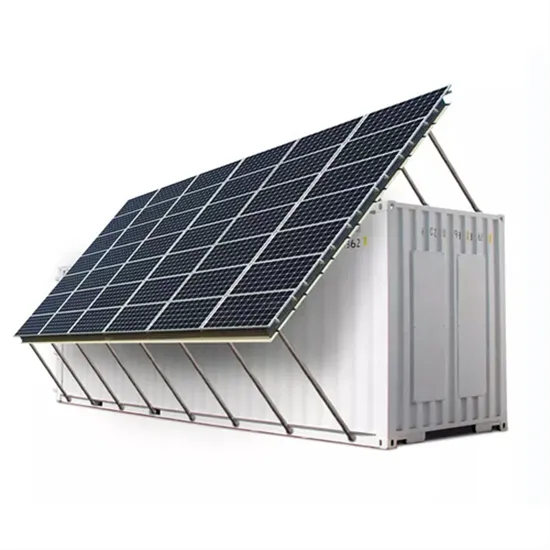
How to install a home solar generator
Learn how to install a solar generator at home with this step-by-step guide. Get expert tips on setup, wiring, safety, and maximizing solar energy efficiency. This setup not only helps the environment but can also reduce electricity bills over time. A solar generator captures sunlight with solar panels and converts it into electricity. . Wiring a generator to a house with solar panels can be tricky. Properly wiring these systems ensures your home. . This guide is tailored for DIY enthusiasts, homeowners, and off-grid users who want to install a solar generator. If you're ready for energy independence, considerEcoFlow.
[PDF Version]
-
Self-built smallest solar power station generator
In this guide, we compare top-rated mini solar generators available on Amazon, focusing on their key features, capacity, portability, and versatility. . Portable, weatherproof, and ready-to-rock — a homemade solar generator can meet all your power needs in and around your boat, camper, or cabin. Do you have what it takes to make one yourself? My family owns a cozy off-grid cabin in the hills, but since there's no electricity, I'd only stay there. . A ready-made portable solar power station with 1–2 kWh of capacity and a 1000–2000 W inverter can easily cost over $1,000. They come in various shapes and sizes and fit inside your vehicle. What Is A DIY Solar Generator? Why Build Your Own DIY Solar. .
[PDF Version]
-
How much electricity can a solar generator generate
In most real-world setups, a 400 W panel generates between 1. 5 kWh per day, translating to roughly 45–75 kWh per month. Your numbers depend on sunlight, tilt, and the quality of your gear — but even a small solar array can make a big difference for your home, RV, or. . Here I'll break down what a solar generator is, what a solar generator can power, how its stored power translates to your individual needs, how much the panels can produce in different conditions, and how this all compares to a gas generator. Read Next: The Best Solar Generators We'll get into the. . Now, the amount of electricity in terms of kWh any solar panel will produce depends on only these two factors: Solar Panel Size (Wattage). Most common solar panel sizes include 100-watt, 300-watt, and 400-watt solar panels, for example. The biggest the rated wattage of a solar panel, the more kWh. . Let's calculate how much electricity a solar panel produces per day using this simple formula: That means one panel could power a laptop, router, and LED lights for a full day — or run a mini-fridge for 24 hours (as shown in our test in Can a Portable Solar Generator Run a Refrigerator?) If you use. . Photovoltaic (PV) solar power systems harness energy from sunlight and convert it into electricity. A solar inverter system then modifies this energy into alternating. .
[PDF Version]
 MENU