
-
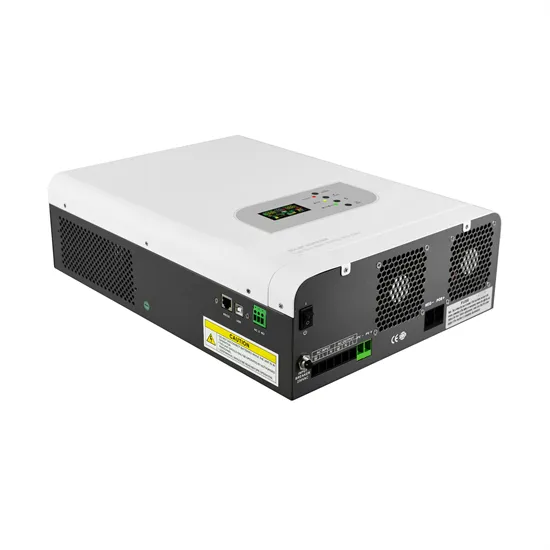
Luxembourg communication base station energy storage cost price
Recent industry analysis reveals that lithium-ion battery storage systems now average EUR300-400 per kilowatt-hourinstalled,with projections indicating a further 40% cost reduction by 2030. What happened to battery energy storage systems in Germany? Small-scale lithium-ion residential battery systems in the German market suggest that between 2014 and. . tem is used for communication base station equipment. This product is comp e unit, you can store your solar power for later use. . The landscape of utility-scale battery storage costs in Europe continues to evolve rapidly, driven by technological advancements and increasing demand for renewable energy integration. As we've explored, the current costs range from €250 to €400 per kWh, with a clear downward trajectory expected in. . As Luxembourg accelerates its renewable energy adoption, demand for reliable energy storage protection boards grows exponentially. At the same time, they"re lighter and more comp and constant. .
[PDF Version]
-
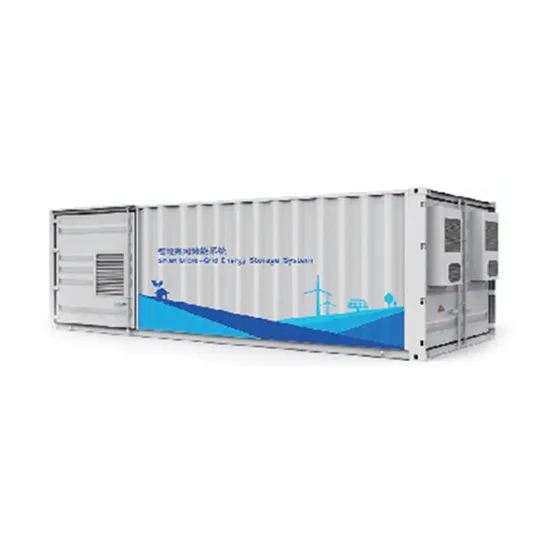
Communication system energy storage container system
Communication systems in energy storage not only enable real-time monitoring and control, but they also facilitate data collection and analysis. . system reliability, and scalable expansion for energy storage power plants worldwide. As the global energy landscape shifts toward renewable sources, Battery Energy Storage Systems (BESS) have become critical infrastructure for grid stability and energy management. As the demand for renewable energy integration grows, the importance of efficient BESS operation becomes increasingly evident. Bluesun BESS container energy storage solution integrates lithium battery systems, PCS, BMS, and energy management into standardized 20ft and 40ft. . Huijue Group Communication Container Station: It is a large outdoor base station with large capacity and modular design. This series of products can integrate photovoltaic and wind clean energy, energy storage batteries, configure a 6U integrated hybrid power system, and output DC48V ( the. . When we talk about energy storage system communication system composition, we're essentially discussing the nervous system that makes battery arrays and power networks work intelligently.
[PDF Version]
-
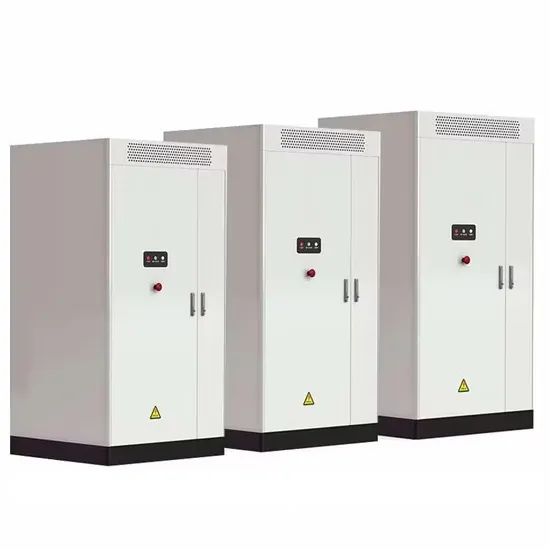
Luxembourg energy storage economics
Summary: Explore the latest pricing trends for cabinet energy storage systems in Luxembourg, including industry-specific cost drivers, government incentives, and real-world applications. Learn how businesses and households can optimize energy storage investments in 2024. . Why a dedicated strategy for battery storage? Thank you! THANK YOU! value. . ts energy and climate objectives by 2030. Submitted to the European Commission, this roadmap aims to reduce greenhouse gas emissions by 55%, increase renewable energy sources to 25% of the energy mix tteries and other energy storage options. Luxembourg complies with the climate ambition set by the international community through the Paris Agreement. In order to achieve this objective, it is imperative to. . Energy storage costs Informing the viable application of electricity storage technologies, including batteries and pumped hydro storage, with the latest data and analysis on costs and performance. What the energy transition implies for Luxembourg's industryThis discrepancy threatens Luxembourg's. . How does 6W market outlook report help businesses in making decisions? 6W monitors the market across 60+ countries Globally, publishing an annual market outlook report that analyses trends, key drivers, Size, Volume, Revenue, opportunities, and market segments. It is therefore largely dependent on energy imports and thus on a functioning E transition that has already been set in motion.
[PDF Version]
-
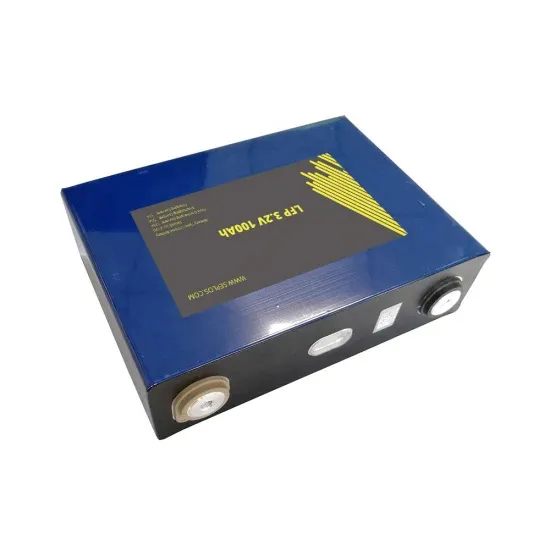
Global investment in energy storage system construction for communication base stations
The global 5G Communication Base Station Energy Storage System market is projected to grow from US$ 4800 million in 2024 to US$ 7843 million by 2031, at a CAGR of 7. 1% (2025-2031), driven by critical product segments and diverse end‑use applications, while evolving U. tariff. . Energy storage solutions play an essential role in maintaining the operational integrity of these stations, especially in areas prone to power outages or fluctuations. Learn why optimized energy storage matters for 5G. . As global 5G deployments surge to 1. 3 million sites in 2023, have we underestimated the energy storage demands of modern communication infrastructure? A single macro base station now consumes 3-5kW – triple its 4G predecessor – while network operators face unprecedented pressure to maintain uptime. . Summary: This article explores how integrating photovoltaic (PV) systems with energy storage can revolutionize power supply for communication base stations. Learn about cost savings, reliability improvements, and real-world case studies driving adoption in telecom infrastructure.
[PDF Version]
-
How is the energy storage system for a communication base station built
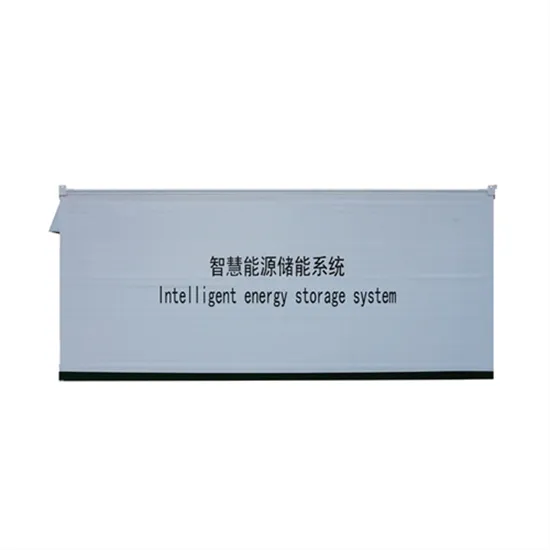
Lithium-ion cells are the energy reservoirs, storing electrical energy in chemical form. Inverters convert DC stored energy into AC power compatible with station equipment. . The core hardware of a communication base station energy storage lithium battery system includes lithium-ion cells, battery management systems (BMS), inverters, and thermal management components. Remote base stations often rely on independent power systems. In many areas of rural zones, disaster-prone regions, or developing countries, the grid is unstable or absent.
[PDF Version]
-
Domestic communication base station battery energy storage system company
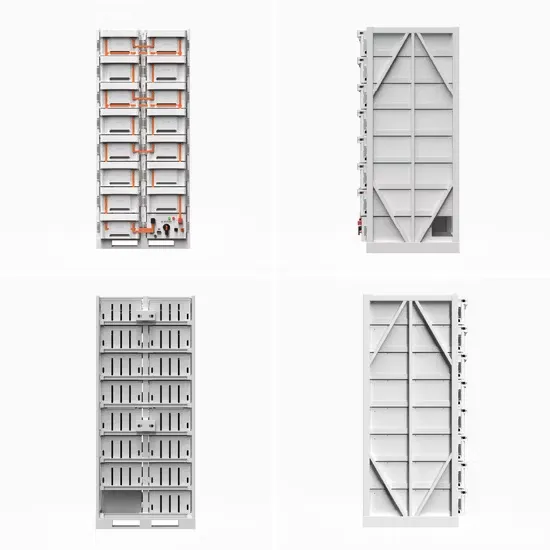
The market features numerous leading companies that specialize in energy storage solutions designed specifically for communication base stations. Some notable firms include Tesla, LG Chem, and Saft. . Energy storage systems can utilize renewable energy sources such as solar power for charging and release stored energy during peak demand periods, improving energy efficiency. Users can use the energy storage system to discharge during load peak periods and charge from the grid during low load periods, reducing peak load demand and saving electricity. . When natural disasters cut off power grids, when extreme weather threatens power supply safety, our communication backup power system with intelligent charge/discharge management and military-grade protection becomes the "second lifeline" for base station equipment.
[PDF Version]
 MENU