
-
Price of home energy storage plus resistor
The cost of a home battery energy storage system primarily depends on the size, capacity, and type of battery technology used. On average, homeowners can expect to pay between $7,000 and $15,000 for a complete system, including installation. This guide presents cost and price ranges in USD to help plan a budget and compare quotes. The information focuses on. . The cost of home battery storage has plummeted from over $1,000 per kilowatt-hour (kWh) a decade ago to around $200-400/kWh today, making residential energy storage increasingly accessible to homeowners. The global surge in solar adoption, energy price volatility, and increased frequency of blackouts are pushing homeowners to seek smarter, more resilient energy solutions. Technology Leadership Shift: While Tesla. .
[PDF Version]
-
Home energy storage system brand ranking
From cutting-edge technologies to seamless integration with existing systems, These ten home energy storage manufacturers are driving the transition towards cleaner, more efficient energy solutions. As someone who experiences regular power outages due to storms and random occurrences, I've. . Including Tesla, GE and Enphase, this week's Top 10 runs through the leading energy storage companies around the world that are revolutionising the space Whether it be energy that powers smartphones or even fuelling entire cities, energy storage solutions support infrastructure that acts as a. . An energy storage system (ESS) is a technology designed to store energy for use at a later time. These systems capture energy from various sources, like the grid or renewable energy installations, and release it when needed. ESS solutions offer a range of benefits, including energy independence. . Enter home energy storage systems, the unsung heroes of modern energy independence. The global energy storage market is booming, hitting a whopping $33 billion annually [1], and homeowners are jumping on this bandwagon faster than you can say “blackout prevention. We don't just fall for the latest flashy technology that's advertised everywhere.
[PDF Version]
-
Home energy storage with balancing module
Bypass Technology helps manage State of Charge (SOC) imbalances between modules by automatically switching them in and out of the system, balancing the charging process across all modules. This helps prevent issues such as energy loss, performance degradation, and system. . SigenStor is an AI-optimized 5-in-one energy storage system that brings your solar dream to reality, helping you achieve energy independence with maximum efficiency, savings, flexibility and resilience. Expandable from 5 to 390 kWh with stackable battery packs. PointGuard Home is an advanced all-in-one. . When it comes to energy efficiency, these seven home battery systems stand out: Tesla Powerwall, LG Chem RESU, Sonnen Eco, Enphase Encharge, Generac PWRcell, SimpliPhi PHI Battery, and Panasonic EverVolt. These systems rely heavily on batteries, and how those batteries are managed can make or break the performance of the entire system. One major. . Pairing the Yeti PRO with our sophisticated Haven 10 manual transfer switch lets you back up as many as 10 essential circuits in your home. This long-lasting home backup solution provides 7,988 watt hours of power and the ability to. .
[PDF Version]
-
South ossetia home energy storage power supply price
Generally, the investment can range from $300 to $700 per kilowatt-hour (kWh) of storage capacity, influenced by both hardware and installation factors. For instance, larger projects benefit from cost efficiencies. . Thinking about adding a battery to your solar panel system? Learn what you can expect to pay and find out if the benefits outweigh the cost. Just know that the overall price. . Let's cut to the chase: battery energy storage cabinet costs in 2025 range from $25,000 to $200,000+ – but why the massive spread? Whether you're powering a factory or stabilizing a solar farm, understanding these costs is like knowing the secret recipe to your grandma's famous pie. [pdf]. . South Ossetia's growing demand for reliable electricity, coupled with its commitment to renewable energy adoption, has positioned energy storage power supply systems as a critical solution. With frequent grid instability and an annual solar irradiance of 1,450 kWh/m², the region is ripe for. . Costs range from €450–€650 per kWh for lithium-ion systems. North America leads with 42% market share, driven by corporate sustainability initiatives and tax incentives that reduce total project costs by 18-28%.
[PDF Version]
-
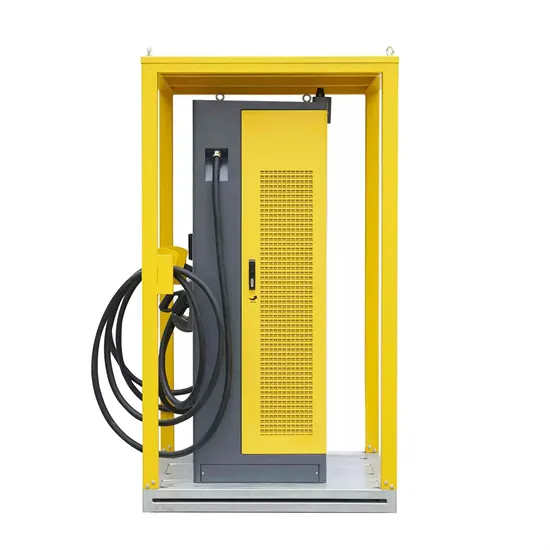
Can I install an solar container energy storage system at home
If you're looking for the simplest and easiest way to build a reliable, high quality off-grid solar system that can power a container or tiny house, you've come to the right place. This is a detailed walk-through of the planning and installation of our 3kW - 5kWH - 120V. . Choosing to live off-grid in a container home isn't just an alternative lifestyle — it's a calculated decision of energy independence, sustainable living, and long-term economic strategy. While the modular nature of container architecture already offers mobility and affordability, achieving true. . Many people dream of turning a shipping container into a home. This idea represents ingenuity and sustainability. However, the process requires careful planning. It involves hard work and smart choices. Each of those units—usually included in Mobile Solar Container platforms such as the LZY-MSC1 Sliding Mobile Solar Container. .
[PDF Version]
-
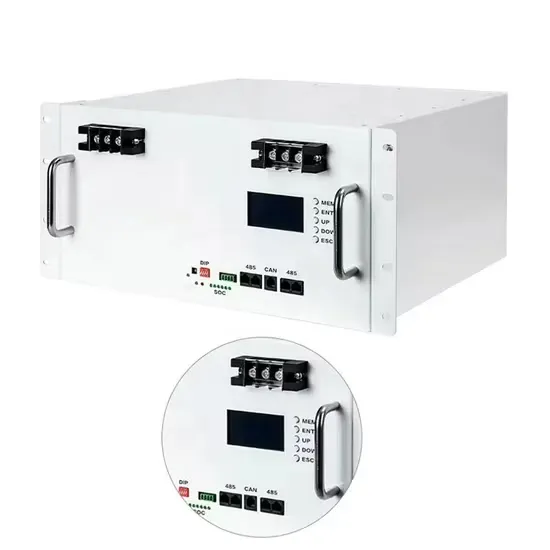
Home photovoltaic energy storage design case
This case study highlights how targeted engineering assistance in battery module design and prototype management accelerated the project's progress in a competitive landscape. The project involved a startup developing a home energy storage unit. A innovative startup recognized this opportunity but faced a critical challenge: lacking a full in-house engineering team to design. . Some homebuilders have begun to build new homes with solar and storage included as a standard offering. Discover how modern solutions enhance grid stability and maximize ROI in solar projects. These systems are designed not only to provide everyday electricity for households but also to. . Today's home photovoltaic energy storage model design isn't just for eco-warriors – it's for anyone who hates surprise power bills and loves energy independence. . rgy systems in the United States. Much of NREL's analysis for this market segment focuses on the grid impacts of solar-plus-storage systems, though costs and benefit nt of residential energy systems? It is concluded that this kind of energy storage equipment can enhance the economics and environm. .
[PDF Version]
 MENU