
-
What inverter should I use for 5kW solar power generation
Determining the correct inverter size depends on your solar array's capacity and your household's power needs. Too small = wasted energy What Is a Solar Inverter and Why Does Size Matter? Swap out old appliances for energy-efficient ones to cut down your. . Choosing the right solar inverter size is critical—and one of the most common questions: what solar inverter size do I need? Whether you are installing a rooftop system in California, powering a remote cabin in Alberta, or sizing for a community center in Rajasthan, getting it right means. . The truth is, matching your inverter for solar panels to your array's output is one of the easiest ways to boost efficiency by 20% or more, and it only takes about five minutes to calculate correctly. Your solar panel inverter converts the DC electricity your panels produce into AC power that runs. . A 6. 5 kW solar array pairs well with a 5–6 kW inverter. Frequently Asked Questions (FAQ) Q1: How many solar panels does a 5kW system need? Q2: Can the 5kW system drive a family? Q3: What is the space requirement? Q4: How long does it take to install? Q5:. . Generally, it's recommended to size the inverter to 80-100% of the DC system's rated capacity.
[PDF Version]
-
Can the inverter be used for home use directly after it is released
The key difference between this micro inverter and others, (such as the Enphase microinverters), is its ability to plug directly into a standard 120-volt outlet in your home. This means you could start offsetting your energy bill just by plugging in the device, without any complex. . Meta Description: Discover how inverters can revolutionize home energy management. Learn about their applications, benefits, and real-world examples for residential use. The big sell here? It's a plug-and-play device. . A power inverter changes DC power from a battery into conventional AC power that you can use to operate all kinds of devices. In simple words, it lets you run your TV, fridge, fan, etc when grid power fails. Connecting a solar inverter to your house is indeed feasible, but it requires the right equipment, installation expertise, and compliance with. .
[PDF Version]
-
6000W Inverter for Home Use
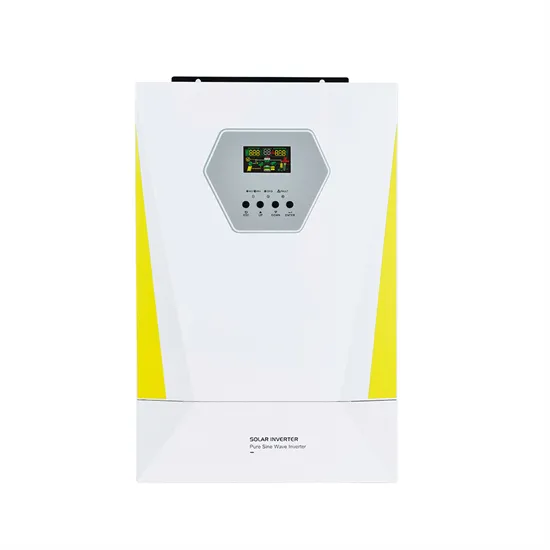
● Offers a 6000W pure sine wave inverter with a peak capacity of 12000W, perfect for powering off-grid homes. ● Available in multiple DC inputs (12V, 24V, 48V) and AC outputs (220V, 110V), accommodating diverse power needs. Price and other details may vary based on product size and color. This product has sustainability features recognized by trusted certifications. Equipped with advanced 120A MPPT technology, it maximizes solar efficiency with up to 94% conversion rate, reducing energy loss. Designed for. . Prostar PSW6K-Pro best 48v mppt off grid solar 6000 watt inverter for home is perfect for off-grid, backup power supply and self-consumption applications for homes and small businesses, it is a pure sine wave, hybrid solar inverter system with 50Hz/60Hz frequency, providing power for every need. The AIMS power inverter has many highlights such as 18000-watt serge power, low frequency, GFCI outlets and true sine wave reliable output.
[PDF Version]
-
Small solar water pump inverter for home use
This article highlights five top inverters suited for running water pumps and associated loads, ranging from portable sump pumps to off-grid pumping for wells or cabins. Price and other details may vary based on product size and color. Discover more about the small businesses partnering with Amazon and Amazon's commitment to empowering them. Each. . Whether you are looking for the most environmentally friendly pumping solution on the market or want to give your garden a plus of beauty and elegance, a solar-powered water pump is what you should look for. It's 100% green, efficient and cheap! Each pump comes with its solar panel, and it's. . A solar inverter designed for water pumps must be able to convert DC electricity from solar panels into AC electricity, making it essential to choose the right type. 1 Why Are Solar Pump Inverters Important? 2 How to Determine Your Pumping Requirements? 3 How to Match Your Inverter to Solar Panels? 4 What Features. .
[PDF Version]
-
What size inverter should I use for a 12v 20A battery
Your 12V20A battery provides: 12V × 20A = 240W of continuous power. But wait – inverters aren't 100% efficient. Most lose 10-15% energy during conversion. Real-World Example: A 240W load actually requires: 240W ÷ 0. 85 (85% efficiency) ≈ 282W inverter capacity. Pairing a right size capacity battery for an inverter can be a bit confusing for most the beginners So I have made it easy for you, use the calculator below to calculate the battery size for 200 watt, 300 watt, 500 watt, 1000 watt, 2000 watt, 3000 watt, 5000-watt inverter Failed to calculate field. . Selecting the right inverter ensures your devices run smoothly while protecting your battery. But wait – inverters aren't 100%. . Compared to the smaller, budget-friendly options like BESTEK 300W or 500W models, this inverter's ability to handle larger loads, its efficiency (over 91%), and its smart LCD display for real-time data give it a big edge. Factor in surge power needs but prioritize sustained loads. This includes every appliance, light, and piece of. .
[PDF Version]
-
How much does a professional home inverter cost
Most homeowners pay $1,500–$4,500 installed, including equipment and labour. Solar inverters are essential for converting solar panel energy into usable home power. But with prices ranging from $100 to $1,000+, how do you pick the right inverter without overspending? In this guide, we'll break down home inverter prices, what affects them, and. . Premium Technology Justifies Higher Costs: While SolarEdge systems cost 20-35% more than basic string inverters ($5,500-$9,000 vs $3,000-$5,000 for residential installations), the module-level optimization delivers 15-25% higher energy production, typically paying for the premium within 2-3 years. . Expect to spend $0. You may save $1,000 to $2,500 up-front by. . Small Residential Systems (3-5 kW): These systems typically use inverters ranging from 3 to 5 kW, with prices ranging from $1,000 to $2,000. Discover how system size, brand selection, and new technologies impact your budget. What Determin Summary: Wondering about the cost of a solar inverter for your. . A solar inverter costs $1,500 to $3,000 total on average for a medium-sized solar-panel system installation. String inverter systems cost less up front, but systems using microinverters last. .
[PDF Version]
 MENU