
-
Photovoltaic Containerized Long-Term Solar Energy Storage vs Power Grid
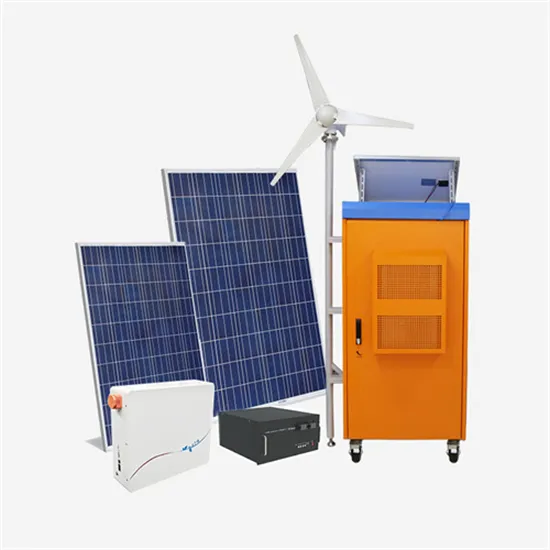
From portable units to large-scale structures, these self-contained systems offer customizable solutions for generating and storing solar power. In this guide, we'll explore the components, working principle, advantages, applications, and future trends of solar energy . . The AES Lawai Solar Project in Kauai, Hawaii has a 100 megawatt-hour battery energy storage system paired with a solar photovoltaic system. Sometimes two is better than one. Coupling solar energy and storage technologies is one such case. The reason: Solar energy is not always produced at the time. . For solar-plus-storage—the pairing of solar photovoltaic (PV) and energy storage technologies—NLR researchers study and quantify the economic and grid impacts of distributed and utility-scale systems. Energy storage systems (ESS) store excess energy for later use, functioning like rechargeable batteries.
[PDF Version]
-
Photovoltaic containerized grid-connected solar energy storage vs power grid
discuss the challenges and issues of grid integration of solar PV systems,including the impact of PV integration on grid stability,power quality,and safety. . Energy Management System or EMS is responsible to provide seamless integration of DC coupled energy storage and solar. Typical DC-DC converter sizes range from 250kW to 525kW. Until 2017, NEC code also leaned towards ground PV system. . Ghiani et al. The research conducted by Almeida et al. Sometimes two is better than one. Coupling solar energy and storage technologies is one such case. In this article, we'll explore how a containerized battery energy storage system works, its. . Power systems worldwide are experiencing higher levels of variable renewable energy (VRE) as wind and solar power plants connect to the grid. This trend is expected to continue as costs for VRE resources decline and jurisdictions pursue more ambitious power sector transformation strategies with. .
[PDF Version]
-
What are the solar container energy storage systems in Malawi s power grid
Major projects now deploy clusters of 20+ containers creating storage farms with 100+MWh capacity at costs below $280/kWh. . Malawi is one of the most energy-poor countries on the planet, with less than 20 percent of the population having access to a reliable source of electricity, and access remaining below 10 percent in rural areas. Because much of the country's existing capacity comes from hydropower, persistent. . The Government of Malawi has sought technical assistance in order to accelerate its energy transition and in particular to facilitate the government's procurement of renewable electricity projects. Given the small size of Malawi's grid, relatively high system losses, and its relatively modest. . This article explores how cutting-edge battery technology and smart grid integration are reshaping energy reliability across residential, industrial, and commercial As Malawi accelerates its renewable energy adoption, the Lilongwe Energy Storage System Construction project emerges as a. . The state of the art power plant is the first utility-scale grid-connected hybrid solar and battery energy storage project in Malawi and the largest in Sub-Saharan Africa. It comprises 52,000 bi-facial solar panels and. Malawi was bringing more solar power onto the grid but. . awi's national grid.
[PDF Version]
-
Energy storage for grid stability copenhagen
Use of battery systems is an effective means of ensuring stability, because they can deliver full power in a matter of seconds. Batteries can stabilize the grid At Danish Technological Institute we have taken the first steps towards testing a grid connected large scale. . Nuvve powers the future of flexible energy by turning batteries, electric vehicles (EV), buildings, and distributed assets into dynamic grid resources. At the core is Nuvve's advanced platform for intelligent energy management and vehicle-to-grid (V2G), orchestrating real-time bidirectional. . This is the first battery storage project that European Energy has undertaken in Denmark, and it will provide valuable operational experience in integrating battery solutions with the grid for the company. The project, named ARENA, will have an interconnection capacity of 220 MW and an energy storage capacity of 1,100 MWh—equivalent to five hours of full-power supply. The standalone system. . Renewable energy challenges the grid Increasing usage of fluctuating renewable energy such as sun and wind energy is a reality. How do we ensure power when it is calm or international. .
[PDF Version]
-
Working principle of power grid energy storage system
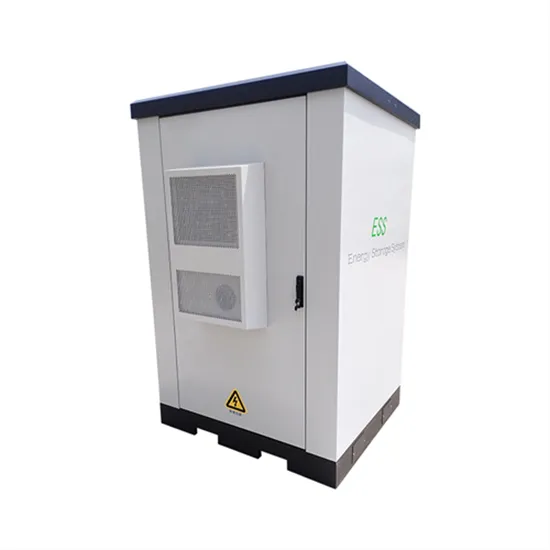
At its core, an Energy Storage System is a sophisticated solution that captures energy, stores it for a period, and releases it when needed. Think of it as a financial tool for your energy assets: it allows you to decouple the moment of energy generation from the moment of energy consumption. This. . e mixed energy resources. As a result, the power network rent electricity supply. Other energy st la ckel, sodium and li e electroactive element hese battery. . Grid energy storage, also known as large-scale energy storage, is a set of technologies connected to the electrical power grid that store energy for later use.
[PDF Version]
-
The power grid requires photovoltaic power generation with energy storage
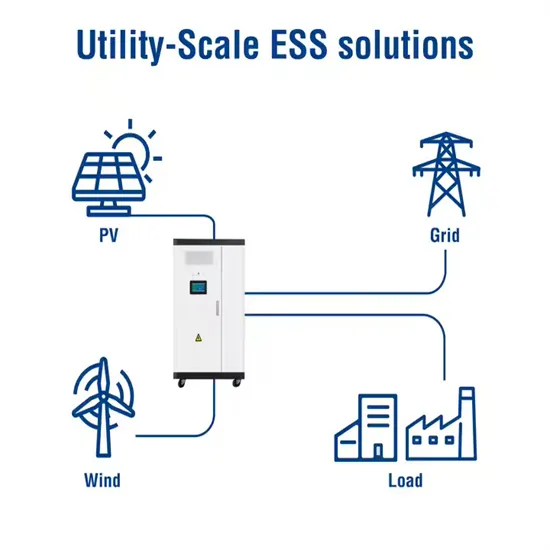
The most common type of energy storage in the power grid is pumped hydropower. Sometimes two is better than one. The reason: Solar energy is not always produced at the time. . We expect 63 gigawatts (GW) of new utility-scale electric-generating capacity to be added to the U. power grid in 2025 in our latest Preliminary Monthly Electric Generator Inventory report. This amount represents an almost 30% increase from 2024 when 48. 6 GW of capacity was installed, the largest. . By integrating energy storage solutions, such as batteries, with PV systems, it becomes possible to store excess energy generated during peak sunlight hours for utilization during periods of low generation or high demand. The power electronic converter used in solar systems are. .
[PDF Version]
 MENU