
-
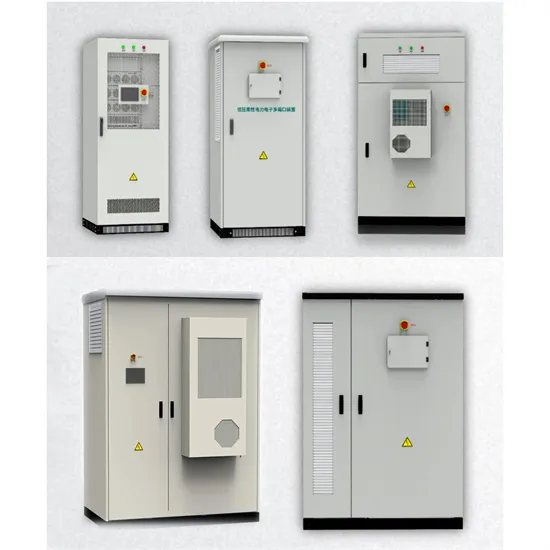
Photovoltaic and wind power energy storage batteries
Batteries can provide highly sustainable wind and solar energy storage for commercial, residential and community-based installations. Solar and wind facilities use the energy stored in batteries to reduce power fluctuations and increase reliability to deliver on-demand power. . As battery costs continue to decrease and efficiency continues to increase, an enhanced understanding of distributed-wind-storage hybrid systems in the context of evolving technology, regulations, and market structure can help accelerate these trends. This article explores the components, benefits, and applications of Hybrid Solar Battery Systems. . Energy storage in photovoltaic and wind power systems involves various mechanisms and technologies that capture, retain, and release energy for later use. Photovoltaic systems primarily employ battery storage solutions, which convert electrical energy produced during daylight into chemical. .
[PDF Version]
-
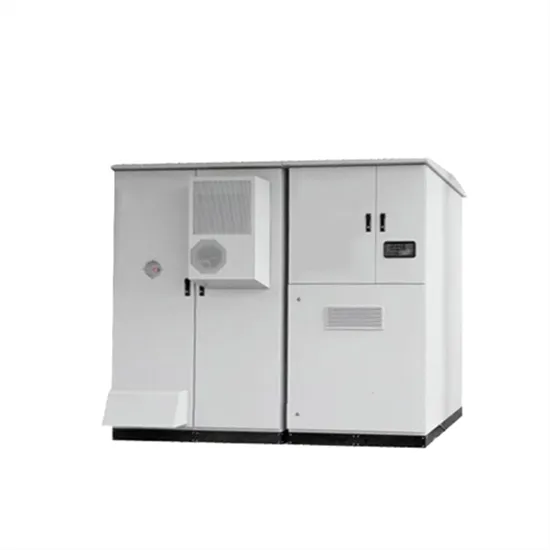
Three-phase outdoor energy storage cabinet for wind power generation in NorthPhilippines
Polinovel CBS240 Outdoor Cabinet Battery Energy Storage System is tailored for high capacity power storage, ideal for large-scale renewable energy generation, PV self-consumption, off-grid applications, peak shaving, and emergency backup power. ≤4000m (1800m~4000m, every time the altitude rises by 200m, the temperature will decrease by 1oC. Mission The DOE aims to enhance the quality of life for Filipinos by ensuring sustainable, stable, secure, and affordable energy through. . One cabinet per site is sufficient thanks to ultra-high energy density and efficiency. The eMIMO architecture supports multiple input (grid, PV, genset) and output (12/24/48/57 V DC, 24/36/220 V AC) modes, integrating multiple energy sources into one. This article explores current projects, market trends, and how innovations like battery storage are reshaping the country's energy landscape. Compared with traditional electricity, wind power communication energy cabinet has a wider application space, is not restricted by. . EPC Energy serves the utility and developer market with multi-MWh solutions featuring 40′ container or skid-based designs.
[PDF Version]
-
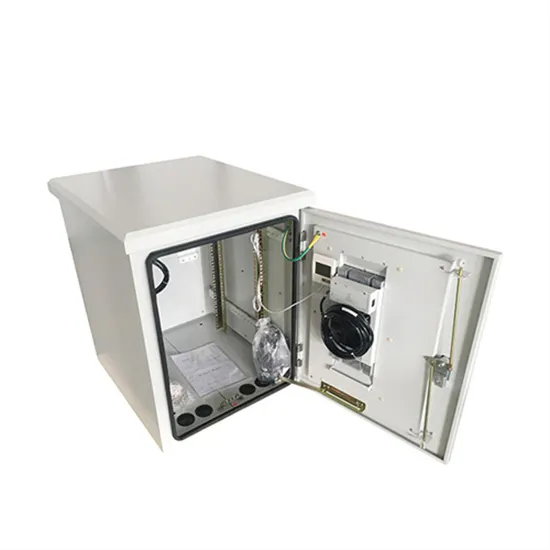
Large-scale solar container energy storage system solutions
Among the most scalable and innovative solutions are containerized solar battery storage units, which integrate power generation, storage, and management into a single, ready-to-deploy package. They ensure the stability of transmission lines and reduce energy costs through the use of photovoltaic energy and large-scale battery-storage systems in hybrid power. . BESS containers are more than just energy storage solutions, they are integral components for efficient, reliable, and sustainable energy management. This enables you to manage peaks in demand, stabilize grid voltage and reduce energy costs considerably. At the same. . A Containerized Energy Storage System (ESS) is a modular, transportable energy solution that integrates lithium battery packs, BMS, PCS, EMS, HVAC, fire protection, and remote monitoring systems within a standard 10ft, 20ft, or 40ft ISO container. Engineered for rapid deployment, high safety, and. . Large-scale energy storage systems are the backbone of our evolving power grid – sophisticated technologies that capture excess electricity when it's abundant and deliver it precisely when needed.
[PDF Version]
-
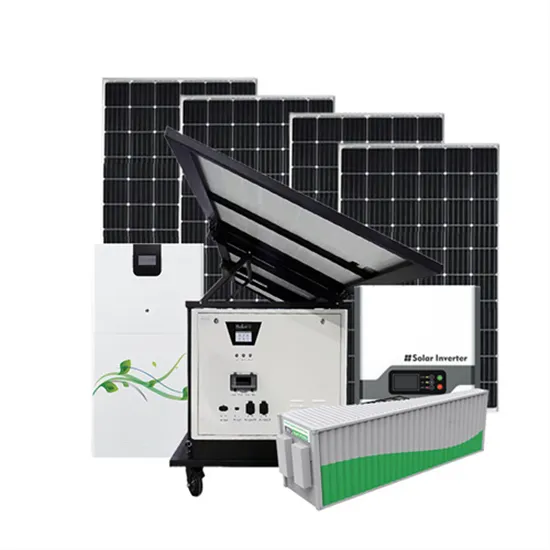
Wind Solar and Storage New Energy System
A new, floating pumped hydropower system aims to cut the cost of utility-scale energy storage for wind and solar (courtesy of Sizable Energy). Support CleanTechnica's work through a Substack subscription or on Stripe. This year's sharp U-turn in federal energy policy is a head-scratcher for any. . Why is energy storage so important? MITEI's three-year Future of Energy Storage study explored the role that energy storage can play in fighting climate change and in the global adoption of clean energy grids. Replacing fossil fuel-based power generation with power generation from wind and solar. . Clean technologies already work at scale and are cost-competitive; the core challenge now is integrating them across power, industry, transport and digital infrastructure to keep energy reliable, affordable and secure. Register today for deep-dive conversations around procurement, compliance, tariffs, and more.
[PDF Version]
-
Technical parameters of earthquake-resistant mobile energy storage containers
These standards define the seismic design criteria, such as the design earthquake ground motion parameters (including peak ground acceleration, spectral acceleration, and earthquake duration), as well as the acceptance criteria for different types of structural and. . These standards define the seismic design criteria, such as the design earthquake ground motion parameters (including peak ground acceleration, spectral acceleration, and earthquake duration), as well as the acceptance criteria for different types of structural and. . Modular energy storage systems, with their flexibility, scalability, and ease of installation, have emerged as a popular choice for various applications, ranging from residential and commercial use to large - scale grid - connected projects. However, in regions prone to seismic activities, the. . Warehouses located in seismic hazard zones must implement reinforced safety measures to ensure optimal performance and stability during earthquakes. Our storage systems feature seismic-resistant, moment-resisting reinforcements, offering the strength and flexibility to evenly distribute seismic. . Abstract: Tanks of different shapes and sizes are installed in almost each section of industry and are used as storage for various types of liquids. Therefore, liquid storage tanks should be properly designed to withstand different types of loadings.
[PDF Version]
-
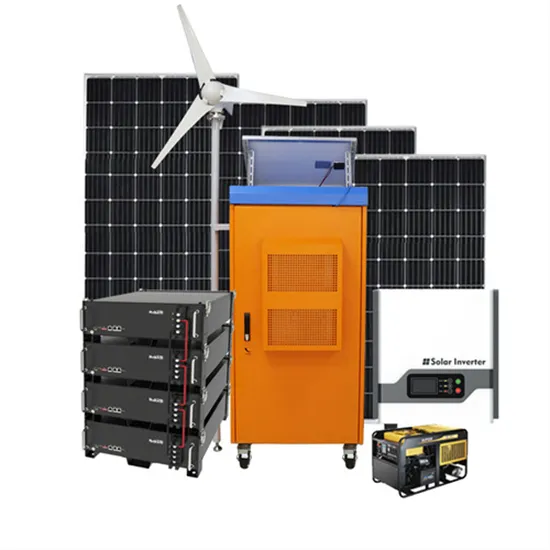
Energy of wind and solar complementary to solar-powered communication cabinets
Complementarity of renewables such as solar and wind enhances cost performance and supports stable, decentralized power supply. Incorporating energy storage further increases supply stability and enables precise matching of energy sources. . Multi-energy complementary systems combine communication power, photovoltaic generation, and energy storage within telecom cabinets. The environment resources of communication stations in a remote mountain area are analyzed and a reliable and practical design scheme of wind-solar hybrid power. . The invention relates to a communication base station stand-by power supply system based on an activation-type cell and a wind-solar complementary power supply system. [pdf] Hybrid energy solutions enable telecom base stations to run primarily on renewable energy. .
[PDF Version]
 MENU