
-
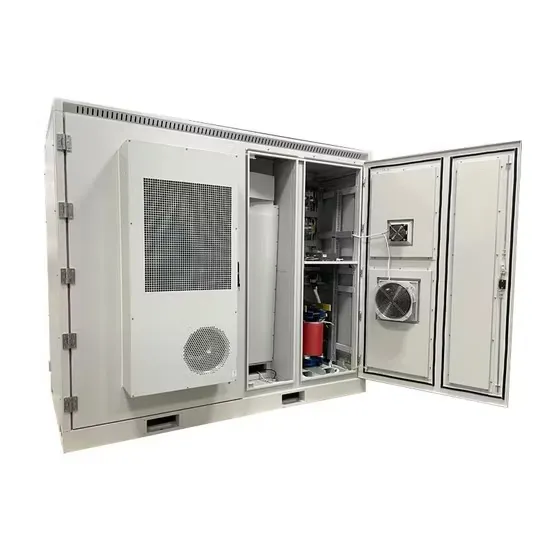
Industrial energy storage solar container lithium battery application
By integrating solar battery storage, businesses can store excess solar energy generated during the day and use it during high-demand hours, significantly reducing the reliance on grid power. This can help cut peak demand charges by 20%-30%, leading to substantial savings. For example, a. . Industrial energy storage systems differ from residential and commercial solutions in three key aspects: scale, integration complexity, and performance demands. While residential systems rarely exceed 50 kW, IESS typically ranges from hundreds of kilowatts to multi-megawatt capacities. Key. . For commercial, industrial, and utility-scale projects, large-scale lithium-ion battery storage is more than just a backup solution—it's a critical asset for energy optimization, grid balancing, and sustainability goals. What Makes Large-Scale Lithium-ion Storage Different? While smaller battery. . Pulsar Industries delivers cutting-edge Containerized Battery Energy Storage Systems (BESS) designed to store renewable energy efficiently, stabilize grid performance, and ensure uninterrupted power for commercial, industrial, and utility-scale applications. They From 60 kWh to 2 MWh, whether it's for large-scale industrial operations or small commercial settings, Lithium Valley's energy storage solutions offer a. .
[PDF Version]
-
South Sudan energy-saving new solar container battery
South Sudan solar container battery Energy S ble energy with the launch of its first major solar power project. Intelligent lithium batteries that combine cloud, IoT, power electronics, and sensing technologies will become a comprehensive energy storage system . . ntly launched 20MW solar energy plant in South Sudan. Credit: Ezra Group A public-private partnership in South Sudan has launched the country's first major solar power plant and Battery Energy Storage System(BESS) in the capital Juba,where it is ccessibility and affordability for local. . Aptech Africa recently successfully designed, built and installed the first off-grid solar battery hybrid power system in South Sudan. This USAID-funded project, developed by AECOM International, incorporated a one-of-a-kind containerized PV storage solution by. Key alloying elements may include copper, magnesium, and silicon. Copper is added to enhance the alloy's strength and hardness. By investing in solar power and battery storage technology,the country is. . How much power can a 20MW solar plant produce in Juba?The 20MW solar plant can generate sufficient power to supply electricity to up to 16,000 households in Juba, significantly reducing energy costs and bolstering grid reliability, said the project's developer. What is a solar power plant in South. .
[PDF Version]
-
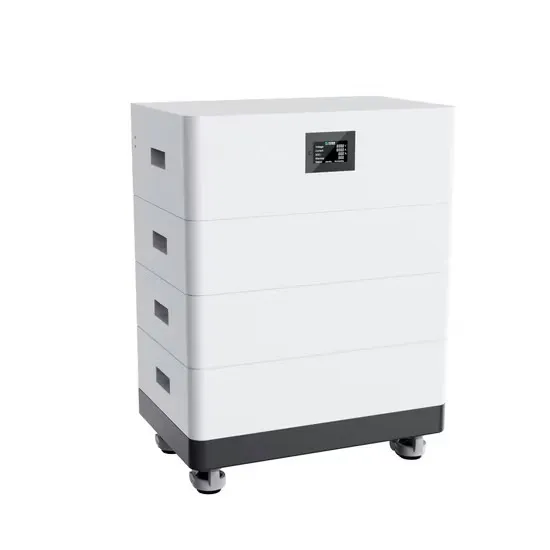
How much does Austrian energy storage solar container lithium battery cost
A 1MWh system: Costs between €695,000 and €850,000. 5 million to €4 million, benefiting from economies of scale. Calculating initial costs involves assessing energy capacity, power requirements, and site-specific conditions. Start by determining the key parameters. . Prices typically range from $100,000 to $800,000+, depending on these elements: Did you know? Containerized systems now account for 40% of commercial energy storage deployments globally (Wood Mackenzie, 2023). Different sectors have unique requirements: Pairing with photovoltaic systems requires. . Battery Technology: Lithium-ion batteries dominate 78% of installations, averaging €450–€700 per kWh. Grid Fees & Incentives: Austria"s Renewable Expansion Act offers subsidies covering up to 30% of installation costs. According to data made available by Wood Mackenzie's Q1 2025 Energy Storage Report, the following is the range of price for PV energy storage containers in the market:. . In this work we describe the development of cost and performance projections for utility-scale lithium-ion battery systems, with a focus on 4-hour duration systems. The projections are developed from an analysis of recent publications that include utility-scale storage costs.
[PDF Version]
-
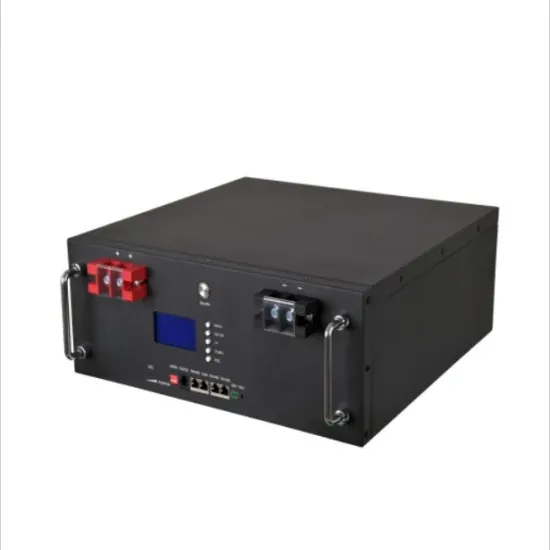
South american base station solar battery cabinet brand
Highjoule offers flexible cabinet sizes, battery configurations, inverter brands, PV capacity, and interface layouts to meet specific site needs and compliance requirements. OEM/ODM service is also available for telecom integrators. . Huijue Group's energy storage solutions (30 kWh to 30 MWh) cover cost management, backup power, and microgrids. To cope with the problem of no or difficult grid access for base stations, and in line with the policy trend of energy saving and emission reduction, Huijue Group has launched an. . Maximize renewable energy with our cutting-edge BESS solutions. High-density, long-life, & smartly managed, they boost grid. . Most industrial off-grid solar power sytems, such as those used in the oil & gas patch and in traffic control systems, use a battery or multiple batteries that need a place to live, sheltered from the elements and kept dry and secure. What is an Outdoor Photovoltaic Energy Cabinet for base. . AZE's all-in-one IP55 outdoor battery cabinet system with DC48V/1500W air conditioner is a compact and flexible ESS based on the characteristics of small C&I loads. The commerical and industrial (C & I) system integrates core parts such as the battery units, PCS, fire extinguishing system. . Part Number: BBA-1M Manufacturer: OEM Material: Aluminum (Standard), Stainless Steel Available Finish: Mill (Standard), Powder Coat UL Approved: Yes NEMA Rating: 3R, 4, 4X Overall Dims (HxWxD – IN): 20.
[PDF Version]
-
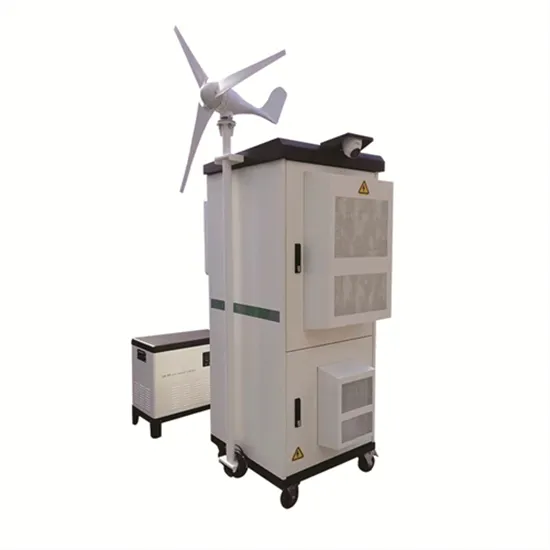
National standard for testing energy storage solar container lithium battery cabinets
The first edition of UL 1487, the Standard for Battery Containment Enclosures, was published on February 10, 2025, by UL Standards & Engagement as a binational standard for the United States and Canada. . An overview of the relevant codes and standards governing the safe deployment of utility-scale battery energy storage systems in the United States. UL 1487 is a result of collaboration that started in 2023 amongst interested parties, including. . NFPA is keeping pace with the surge in energy storage and solar technology by undertaking initiatives including training, standards development, and research so that various stakeholders can safely embrace renewable energy sources and respond if potential new hazards arise. We can also conduct an evaluation in the field or at a manufacturing location if required. This process is not merely procedural but a crucial safeguard against the significant. . Assists users involved in the design and management of new stationary lead-acid, valve-regulated lead-acid, nickel-cadmium, and lithium-ion battery installations.
[PDF Version]
-
Solar container lithium battery energy storage and power type
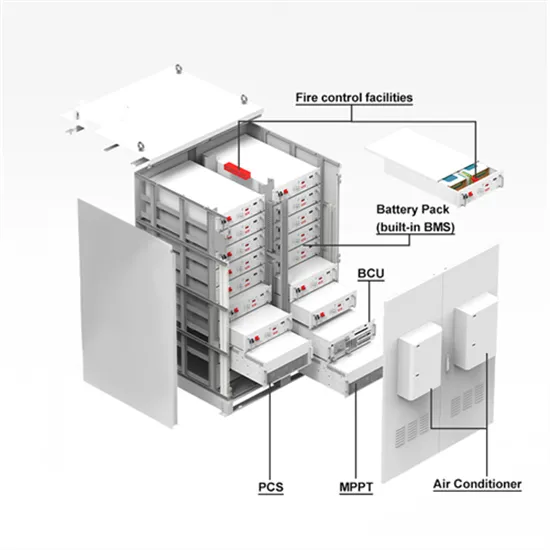
These systems capture electrical energy in batteries and release it on demand, addressing fluctuations in supply and demand from variable sources like solar and wind. Central to BESS functionality is the interplay between power capacity in megawatts (MW) and energy capacity in. . Containerized Battery Energy Storage Systems (BESS) are essentially large batteries housed within storage containers. This setup offers a modular and scalable solution to energy storage. Our design incorporates safety protection. . Stable Power Supply; You can store the energy from the solar panel system or wind power system in the battery energy storage system, and the BESS will supply you with stable and reliable power by intelligent energy management system. Global deployments of BESS in the first half of 2025 have surged by 54%, reaching. .
[PDF Version]
 MENU