
-
Solar photovoltaic power generation dust emissions
Dust accumulation is a critical factor that can significantly reduce the efficiency of solar power generation. This study presents a comprehensive review and analysis of the influence of dust deposition. . Learn how dust affects photovoltaic efficiency, from light obstruction and temperature rise to corrosion, and discover ways to mitigate these issues for optimal solar power output. In this study, extensive research is conducted on the characteristics of dust accumulation on the surface of PV modules from Wuhan and Dengkou, China, and. .
[PDF Version]
-
Is there a relationship between solar power generation efficiency and solar panels
There are a number of key factors that affect solar efficiency, including panel type, placement, climate, inverter efficiency, panel age, electricity demand match, shading intensity, and soiling. Solar panel type is one of the biggest factors affecting efficiency. . The conversion efficiency of a photovoltaic (PV) cell, or solar cell, is the percentage of the solar energy shining on a PV device that is converted into usable electricity. Improving this conversion efficiency is a key goal of research and helps make PV technologies cost-competitive with. . This guide breaks down everything you need to know about solar panel efficiency, including how it's calculated, what the top-performing panels are, and why it matters for California homeowners navigating the post–NEM 3. What Is Solar Panel Efficiency? Solar panel efficiency refers to the. . Solar energy can be harnessed two primary ways: photovoltaics (PVs) are semiconductors that generate electricity directly from sunlight, while solar thermal technologies use sunlight to heat water for domestic uses, to warm buildings, or heat fluids to drive electricity-generating turbines. But efficiency is only part of the story. Real-world performance changes with temperature, shading, tilt. . On average, a solar panel generates between 250-400 watts per day.
[PDF Version]
-
Agricultural Standard Solar Power Generation Subsidy
The REAP grant is part of the USDA's Rural Energy for America Program. It provides financial assistance to farmers and rural small businesses who want to install renewable energy systems, including solar panels for farms. The new rules eliminate USDA support for large solar farms on prime farmland and ban foreign-manufactured panels in all. . Did you know that the U. Agricultural producers may also apply for new energy efficient equipment and new system loans for. . NREL researcher Jordan Macknick works with teams from University of Massachusetts (UMass) Clean Energy Extension and Hyperion on a photovoltaic dual-use research project at the UMass Crop Animal Research and Education Center in South Deerfield, MA. Photo by Dennis Schroeder / NREL. State-specific programs vary, but many offer rebates and tax credits to reduce installation expenses.
[PDF Version]
-
Solar Trough Power Generation Technology Principle
Summary: Solar trough power generation systems use parabolic mirrors to concentrate sunlight, converting it into thermal energy for electricity production. . Parabolic trough linear concentrating systems are used in one of the longest operating solar thermal power facilities in the world, the Solar Energy Generating System (SEGS) located in the Mojave Desert in California. The facility has had nine separate plants over time. These plants have a combined capacity of 354 megawatts (MW) and today generate enough electricity to meet the needs of approximately. .
[PDF Version]
-
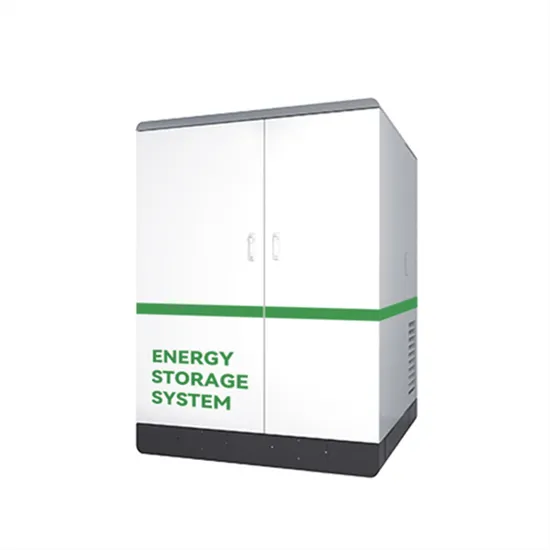
60 000 square meters of solar power generation
Use our Roof Area to Solar Panel Capacity Calculator to estimate how many solar panels fit on your roof and total system capacity in kW. Adjust for usable roof area, panel size, wattage, and spacing losses. . The answer lies in something most solar salespeople never properly explain— solar irradiance and your actual energy potential per square meter. Here's what's shocking: A single square meter of solar panel can generate anywhere from 150 to 250 watts under ideal conditions. Operated by the Alliance for Sustainable. . In a perfect world, the average roof in the U. can generate around 21,840 kilowatt-hours (kWh) of solar electricity annually—that's more than most homes need.
[PDF Version]
-
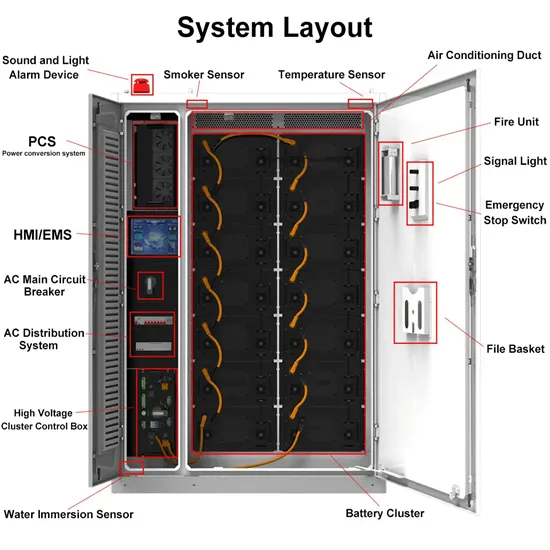
Kigali export solar container outdoor power
Designed to address the intermittent nature of solar power, this system seamlessly integrates photovoltaic generation with advanced battery storage. . In Kigali, Rwanda's bustling capital, photovoltaic (PV) container systems are becoming a game-changer. These mobile solar units combine modular design with high-efficiency energy storage, addressing two critical needs: reliable electricity access and climate resilience. Let's In Kigali, Rwanda's. . This article will introduce in detail how to design an energy storage cabinet device, and focus on how to integrate key components such as PCS (power conversion system), EMS (energy management system), lithium battery, BMS (battery management system), STS (static transfer switch), PCC (electrical. . Looking for advanced BESS systems or photovoltaic foldable container solutions? Download Kigali outdoor solar container communication station inverter grid-connected solar generator cabinet [PDF]Download PDF Our BESS energy storage systems and photovoltaic foldable container solutions are. . In Kigali, Rwanda"s bustling capital, photovoltaic (PV) container systems are becoming a game-changer. Learn about their applications, cost-saving benefits, and why they're ideal for Rwanda's energy landscape.
[PDF Version]
 MENU