
-
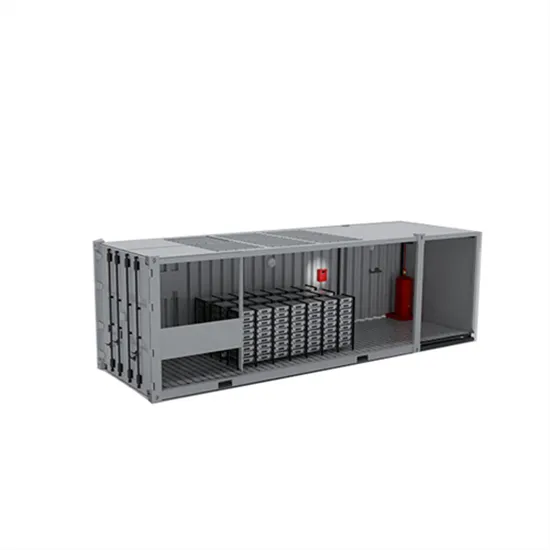
How big a solar battery cabinet capacity should the inverter be equipped with
- Rule of Thumb: The inverter's rated power (kW) should align with the battery's capacity (kWh). - Oversizing the battery can lead to underutilization, while undersizing may limit performance. For example: 12V × 100Ah = 1200Wh (or 1. 2kWh) This figure tells you how much energy needs to be replenished. Daily Consumption and Charging Time If. . Determining the right sizes for solar panels, batteries, and inverters is essential for an efficient and reliable solar energy system. This will help you make informed decisions for your solar power system. . Choosing the right solar inverter size is critical—and one of the most common questions: what solar inverter size do I need? Whether you are installing a rooftop system in California, powering a remote cabin in Alberta, or sizing for a community center in Rajasthan, getting it right means. .
[PDF Version]
-
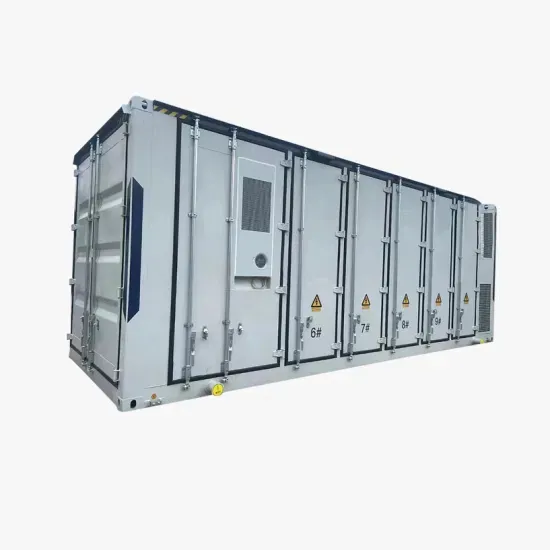
How big an inverter should I use to install a 47kW solar
A 4-6 kW inverter is ideal, depending on the load and surge requirements. Is it better to use one inverter or multiple inverters? A. . Choosing the right solar inverter size is critical—and one of the most common questions: what solar inverter size do I need? Whether you are installing a rooftop system in California, powering a remote cabin in Alberta, or sizing for a community center in Rajasthan, getting it right means. . In this guide, you'll learn what size solar inverter you need, how to size an inverter for solar systems step by step, how panel output affects inverter capacity and also how many inverters per solar panel make sense for different setups without the headache. What Does a Solar Inverter Do? How Many. . A solar inverter should closely match your solar system's output in kW—typically within 80% to 120% of your total panel capacity.
[PDF Version]
-
How much does a solar water pump inverter cost per day
The total cost of a solar well pump system can range from $500 to over $5,000. This price depends on the pump's power, the well's depth, your daily water needs, and the number of solar panels required. . The Vecharged Rule of Thumb: For every 100 watts of solar panel, you can typically expect to pump around 1,000 gallons of water per day to a moderate height (e. Smaller-sized pumps ideal for water fountains or small ponds can cost anywhere from $50 to $200, while a lot more powerful pumps utilized in bigger water attributes or for watering systems might vary from $200. . The cost of a complete system, including panels, inverters, batteries, and installation, can vary depending on factors such as system size, pump capacity, and installation complexity. Solar panels typically account for the largest portion of the upfront investment, with their cost influenced by. . Solar pump inverters are the backbone of modern solar-powered water systems, offering a sustainable and cost-effective alternative to traditional grid-dependent pumps. The initial purchase price is just the. .
[PDF Version]
-
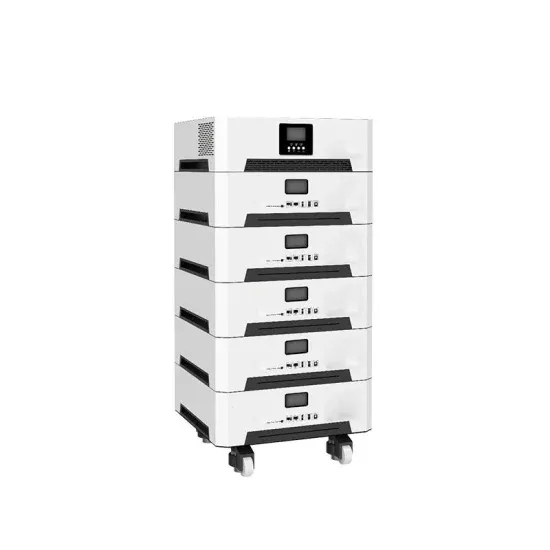
How to connect off-grid photovoltaic inverter solar panels
Learn to wire solar panels, connect them to batteries, and hook up inverters with this comprehensive guide. Video tutorials and detailed instructions provided. Charge controller to battery: Connect the charge controller to the battery using appropriately sized wires, matching positive and negative terminals, and ensuring proper. . Building an off-grid solar system gives you true energy independence. This guide provides a clear, step-by-step checklist for wiring your off-grid solar. .
[PDF Version]
-
How to choose voltage for solar inverter
Higher battery voltage dramatically lowers DC current and cable size. . Solar inverters are the heart of any solar energy system, converting the direct current (DC) electricity generated by solar panels into alternating current (AC) power for homes, businesses, or utility grids. What Does a Solar Inverter Do? How Many. . When selecting the best inverter high voltage system for your needs, prioritize efficiency, waveform type, surge capacity, and compatibility with your energy source—especially if integrating solar panels or powering industrial equipment.
[PDF Version]
-

How high a temperature can a solar container communication station inverter withstand when connected to the grid
High temperatures can reduce solar inverter efficiency, limit power output, and shorten lifespan. . The integrated containerized photovoltaic inverter station centralizes the key equipment required for grid-connected solar power systems — including AC/DC distribution, inverters, monitoring, and communication units — all housed within a specially designed, sealed container. Can grid-connected PV. . While solar irradiance is a key factor in energy generation, the impact of high temperatures on solar inverters is often overlooked. Off-grid living and clinics: Even homes. Solar power containers combine solar photovoltaic (PV) systems, battery storage, inverters, and auxiliary components into. . This paper discusses the inverter standards of PV systems that must be fulfill by the inverter used in grid connected PV systems focusing on THD (<5%),DC current injection,Anti-islanding detection standards. p to 42 inverterscan be connected to one Inverter Manager. Can distributed solar PV be integrated into the future smart grid? In the report, the. .
[PDF Version]
 MENU