
-
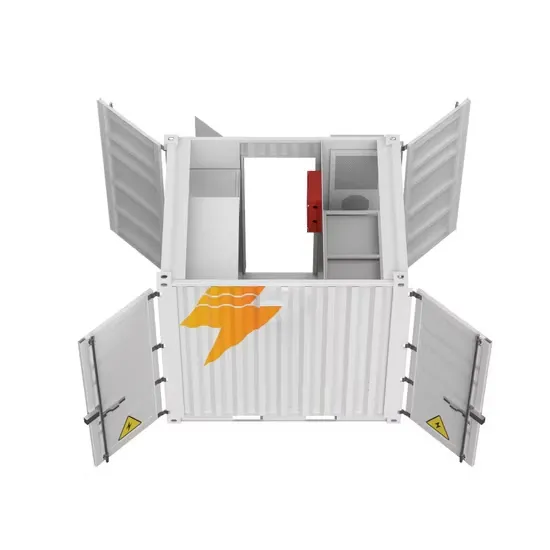
How to connect the battery energy storage cabinet to the power grid
Let's break down the process even a novice can understand: 1. Site Preparation Clear a 6x8 ft area with good ventilation. Software Configuration Set charging schedules using the. . A home battery system that connects to the grid can do more than store power—it gives you financial and energy flexibility. . Let's be real – navigating energy storage system grid connection procedures can feel like assembling IKEA furniture without the picture manual. But here's why it matters: 82% of failed renewable energy projects stumble at the grid integration stage, according to 2024 DOE reports. ” In modern commercial and industrial (C&I) projects, it is a full energy asset —designed to reduce electricity costs, protect critical loads, increase PV self-consumption, support microgrids, and even earn. . A correctly installed home battery storage system is the cornerstone of energy independence.
[PDF Version]
-
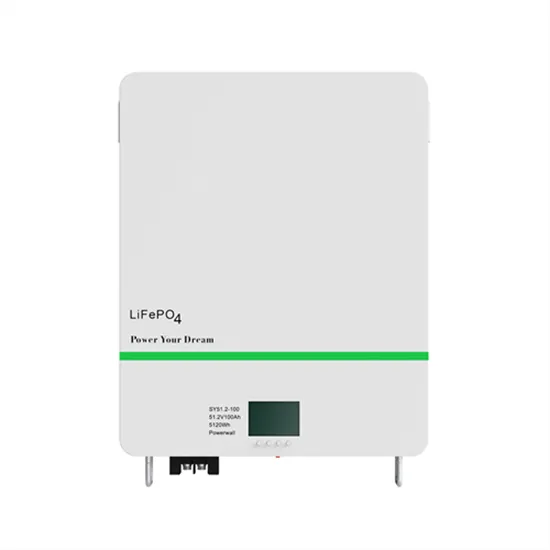
How to understand the ratio of photovoltaic to energy storage
The panel to storage ratio is a crucial consideration when designing solar energy systems. Sometimes two is better than one. The guide is organized aro nd 12 topic area questions. These. . For solar-plus-storage—the pairing of solar photovoltaic (PV) and energy storage technologies—NLR researchers study and quantify the economic and grid impacts of distributed and utility-scale systems. In 2025, getting this combo right isn't just about environmental brownie points—it's a financial and operational imperative.
[PDF Version]
-
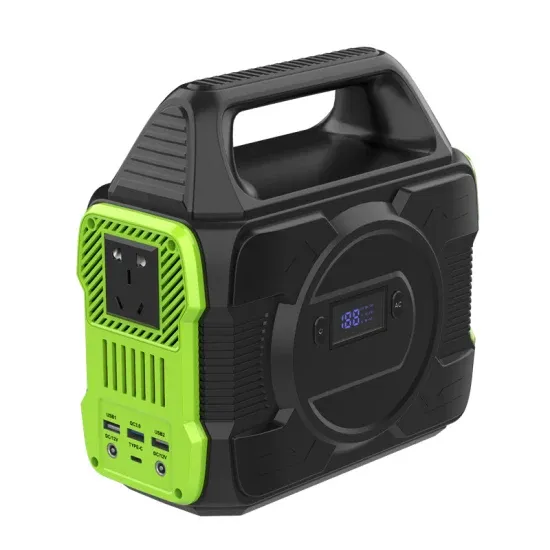
How many energy storage power stations are being built in Nairobi
Major projects now deploy clusters of 20+ containers creating storage farms with 100+MWh capacity at costs below $280/kWh. . Wikipedia began as an impossible dream. The following page lists power stations in Kenya. ^ "February Commissioning for Kenya's Olkaria I And IV". Archived from the original on 5 November 2014. It also highlights the performance of emerging echnologies such as e-mobility and green hydrogen, concluding ve been taken by EPRA to verify the reliability of the material in this publication. However, neither. . KenGen's recent launch of a 1. 16 megawatt-hour (MWh) Battery Energy Storage System (BESS) in Nairobi came with all the typical trimmings of a milestone event. 16 megawatt-hour (MWh) BESS was built to supply uninterrupted renewable power to KenGen's 52-kilowatt Modular Data Centre (MDC), which houses 356 U-spaces dedicated to supporting the company's expanding digital. . That's the Nairobi New Energy Storage Industrial Park – a $1. 2 billion game-changer that's putting Kenya on the clean energy map. With global energy storage hitting $33 billion annually [1], this park couldn't have come at a better time. Kenya's. . Renewable energy transitions, technological advances, and geopolitical disruptions have brought various forms of energy storage to the forefront of sustainability and infrastructure debates.
[PDF Version]
-
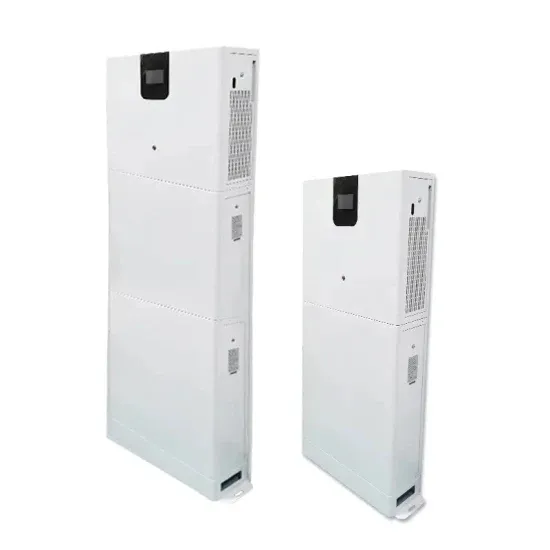
How to obtain value from energy storage system
Discover the ultimate guide to Value Stacking in energy storage and learn how to maximize revenue streams, reduce costs, and optimize energy storage systems. . The revenue potential of energy storage is often undervalued. Investors could adjust their evaluation approach to get a true estimate—improving profitability and supporting sustainability goals. Value Stacking refers to the practice of combining multiple revenue streams or value streams from a single energy storage asset to maximize. . This is complicated by rapidly falling investment costs, the wide range of technologies, and the vast array of use cases for energy storage.
[PDF Version]
-
How much does it cost to set up a family solar container energy storage system to generate 30 kWh of electricity
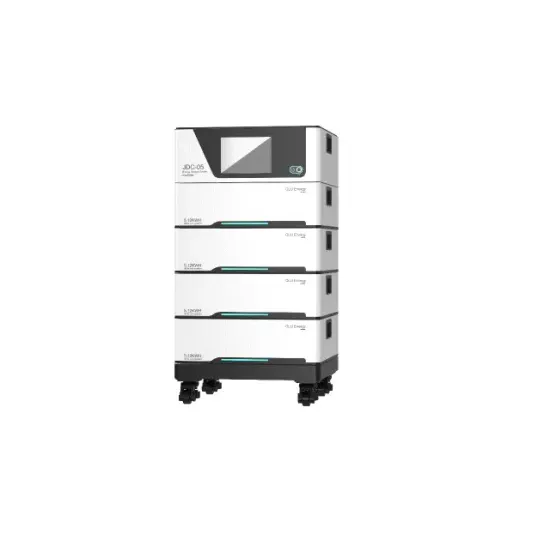
Each system, including 5 kW panels, a 10 kWh lithium battery bank, and real-time remote monitoring, cost around USD $25,000, including shipping and installation. Let's talk about actual prices. Here are standard ballpark estimates (in USD):. The final cost of a solar container system is more than putting panels in a box. This is what you're really paying for: Solar panels: Mono or poly crystalline material quality, wattage size, and efficiency influence cost. Battery storage: Lithium-ion vs. Read our guide to determine whether this expense is worth it for your home. Clicking “Get Your Estimate” submits your data to All Star Pros, which will process your data in accordance with the All Star Pros Privacy Policy. NLR's PV cost benchmarking work uses a bottom-up. . For solar installers and high-energy businesses, deploying flexible container energy storage system (for remote/fast-track projects), leveraging durable containerized battery energy storage system (for climate resilience), and understanding the cost of battery energy storage system (for budget. .
[PDF Version]
-
Long-life type of energy storage cabinet for power grid distribution stations
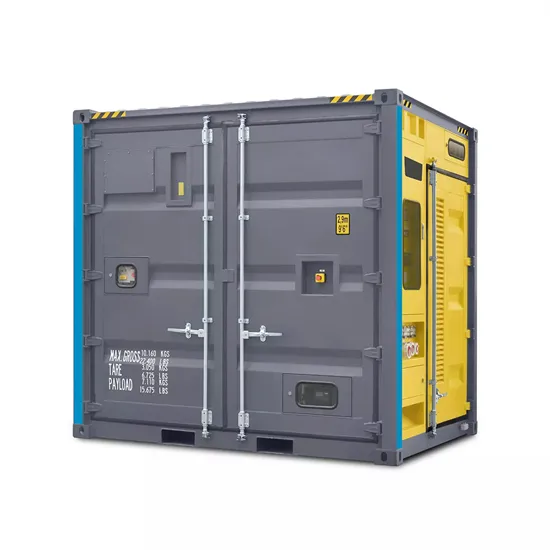
Lithium-ion battery cabinets are popular for their high energy density, long cycle life, and efficiency, making them suitable for both residential and commercial applications. . SLENERGY, a leading innovator in energy storage technologies, has developed advanced cabinet solutions that address the demands of the next-generation energy landscape. With a strong focus on safety, modularity, and long-term performance, SLENERGY's energy storage cabinets deliver a reliable. . As a joint venture with a legacy dating to 2009, we've refined our energy storage cabinet through four generations of innovation. This versatile solution seamlessly adapts to key application scenarios—from peak shaving to virtual power plant integration, backup power, and three-phase unbalance. . Discover AZE's advanced All-in-One Energy Storage Cabinet and BESS Cabinets – modular, scalable, and safe energy storage solutions. Featuring lithium-ion batteries, integrated thermal management, and smart BMS technology, these cabinets are perfect for grid-tied, off-grid, and microgrid. . Liquid cooled outdoor 215KWH 100KW lithium battery energy storage system cabinet is an energy storage device based on lithium-ion batteries, which uses lithium-ion batteries as energy storage components inside. The battery module is the core. .
[PDF Version]
 MENU