
-
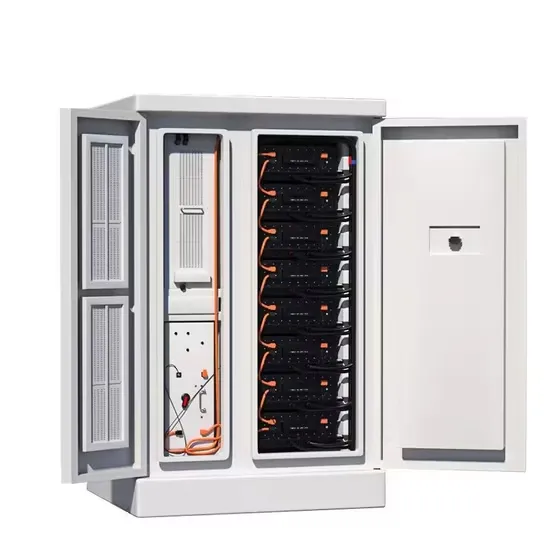
How to calculate the price of battery cabinet and power storage cabinet
When assessing the costs associated with energy storage cabinets, it is crucial to consider several dimensions guiding pricing. Here's what shapes the final cost: Pro Tip: Modular systems allow gradual capacity expansion, reducing upfront costs by up to 40% compared to fixed installations. Maximize ROI with these proven approaches: 1. as well as. . Battery storage ROI calculations are estimates based on current market conditions, electricity rates, and system specifications. Professional installation and site assessment are recommended for. . Let's cut to the chase: battery energy storage cabinet costs in 2025 range from $25,000 to $200,000+ – but why the massive spread? Whether you're powering a factory or stabilizing a solar farm, understanding these costs is like knowing the secret recipe to your grandma's famous pie. EUR Here the total price of. . In this work we describe the development of cost and performance projections for utility-scale lithium-ion battery systems, with a focus on 4-hour duration systems. The projections are developed from an analysis of recent publications that include utility-scale storage costs.
[PDF Version]
-
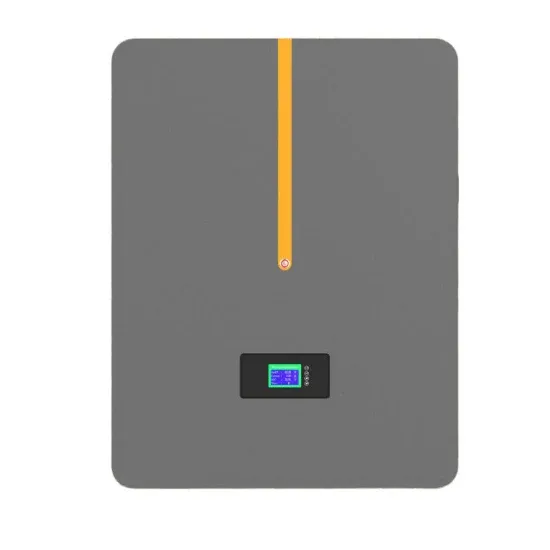
How to calculate the electricity fee of liquid-cooled solar container battery cabinet
Learn how to break down costs for containerized battery systems – from hardware to hidden fees – and discover why 72% of solar+storage projects now prioritize modular designs. Let's decode the math behind your next investment. The 5 Key Factors Driving Energy Planning an energy storage project?. How much does lithium battery energy storage cost? We have calculated the bidding cost of lithium battery energy storage in the past year, and the lowest installation cost using a new battery is around 1600 yuan/kWh. If calculated using 10000 cycles, the cost per kilowatt hour can indeed be. . Major projects now deploy clusters of 20+ containers creating storage farms with 100+MWh capacity at costs below $280/kWh. Technological advancements are dramatically improving solar storage container performance while reducing costs. Next-generation thermal management systems maintain optimal. . This article provides a data-driven analysis to help you calculate costs and assess your project's viability. A 1MWh system: Costs between €695,000 and €850,000. 5 million to €4 million, benefiting from economies of scale.
[PDF Version]
-
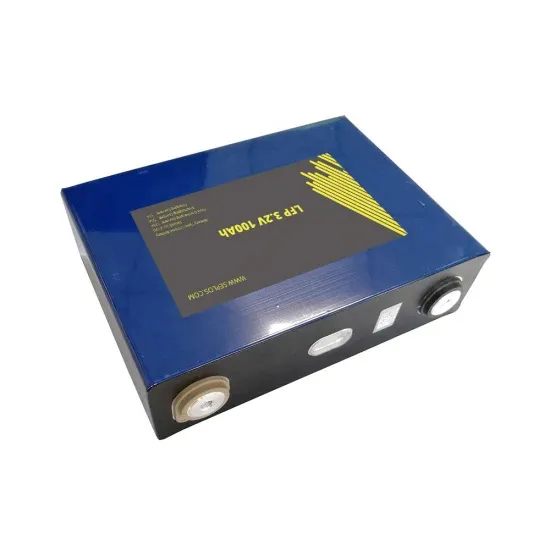
How much does it cost to replace a 2100 degree battery cabinet
Let's cut to the chase: battery energy storage cabinet costs in 2025 range from $25,000 to $200,000+ – but why the massive spread? Whether you're powering a factory or stabilizing a solar farm, understanding these costs is like knowing the secret recipe to your grandma's famous pie. This article explores cost drivers, industry benchmarks, and actionable strategies to optimize your investment – whether you're managing a solar farm or upgrading. . The price of a household energy storage cabinet can vary significantly based on several factors. The size and capacity of the system, 2. For instance, a typical residential battery storage. . Most industrial off-grid solar power sytems, such as those used in the oil & gas patch and in traffic control systems, use a battery or multiple batteries that need a place to live, sheltered from the elements and kept dry and secure. These cabinets can be configured to match OEM cabinets and offer a competitive option for system upgrades or new projects. Features Space saving foot print is the industry's most compact design.
[PDF Version]
-
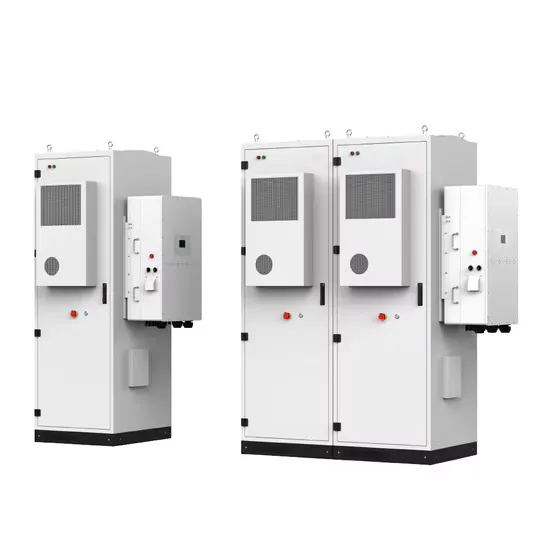
How much does it cost to convert a new energy battery cabinet into a base station electricity
This translates to a general installed cost range of $1,000 to $1,500 per usable kilowatt-hour of storage, though this figure can fluctuate based on location and brand choice. The battery unit itself, the core hardware, typically accounts for 50% to 70% of the total project. . Home and business buyers typically pay a wide range for Battery Energy Storage Systems (BESS), driven by capacity, inverter options, installation complexity, and local permitting. Additional. . All-in rate (includes 8. 5¢/kWh Base charge + standard utility delivery charges) Plug in your own portable generator to your battery to extend backup duration. Payment charged when requesting a battery system. But here's the million-dollar question: "What's the real cost breakdown for building these modern-day. .
[PDF Version]
-

How much does a new energy battery cabinet weigh
A 10 - kWh system could weigh anywhere from 200 - 400 pounds, and a 20 - kWh system might tip the scales at 400 - 800 pounds or more. You need to make sure that the location where you plan to install the battery can support this weight. . and smart product. Integrated power co trol systems (PCS). Works with select Generac standby generators and ecobe ro a ze kup �F ( 20. . When planning solar energy systems, professionals often ask: "How much does a photovoltaic energy storage battery cabinet weigh?" The answer isn't straightforward – weights typically range from 200 kg to 1,500 kg, depending on capacity and technology. Whether you're planning a solar farm, optimizing a microgrid, or just geeking out about clean tech, the weight of 1MWh energy storage is a hot topic. Let's break it down—no PhD required. The battery modules can be added, replaced, or upgraded as needed over time.
[PDF Version]
-
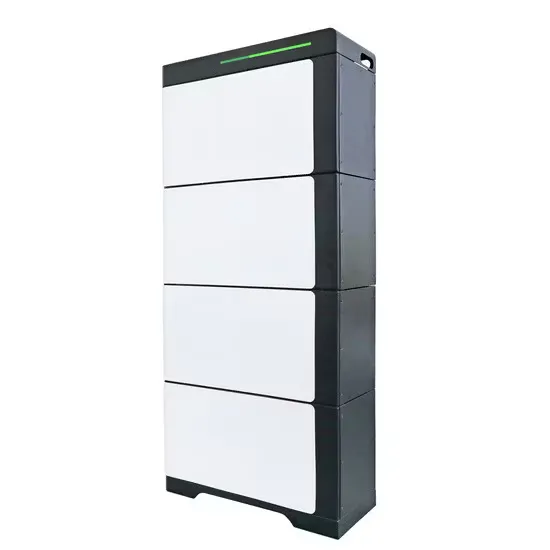
Area occupied by solar battery cabinet
It's important to have enough space for batteries to work well and stay safe. Outlined below are the minimum enclosure room sizes you need for up to six SolarEdge Home Battery Backups and six Tesla Powerwall 3 batteries. We have rounded up to the nearest half foot for the simplest dimensions. Note. . Usable Battery En rcurrent, battery temperature, cabinet swi mperatures above 104 °F (40 °C) and below 32 °F (0 . Most industrial off-grid solar power sytems, such as those used in the oil & gas patch and in traffic control systems, use a battery or multiple batteries that need a place to live, sheltered from the elements and kept dry and secure. This guide will delve into the benefits of solar battery storage cabinets, with a special focus on indoor storage solutions, their key features. . Learn how integrators choose the best location for residential solar batteries—garage, basement or outdoor enclosure—while meeting NFPA 855, EN 62619 & AS/NZS 5139 requirements. Even on new construction, solar is. .
[PDF Version]
 MENU