
-
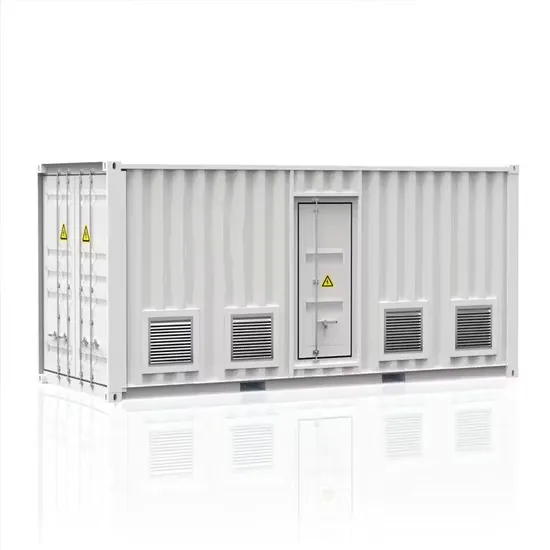
How do nickel batteries and lithium batteries store energy
Batteries use chemistry, in the form of chemical potential, to store energy, just like many other everyday energy sources. . Nickel batteries and lithium batteries store energy through electrochemical processes involving specific materials and reaction mechanisms. The trick is to design a system where these materials can undergo reactions that release this energy in a controlled. . Nickel serves as a critical component in modern battery technology, particularly in lithium-ion batteries that power electric vehicles and consumer electronics. This essential metal enhances energy density, extends battery life, and improves overall performance. Environmental considerations are increasingly shaping the development and adoption of both battery types. . Batteries and similar devices accept, store, and release electricity on demand. During discharge, lithium ions move from the anode to the cathode. .
[PDF Version]
-
How many V battery packs can be assembled with 65 lithium batteries
Calculate voltage (V), capacity (Ah), energy (Wh), current (A), and power (W) for custom 18650 battery packs using clear series/parallel (S/P) logic. Series (S):. . Here's a useful battery pack calculator for calculating the parameters of battery packs, including lithium-ion batteries. 2V; we need three cells in series to make a 12. In the figure above, the connections are indicated. Because different batteries have different voltage and. . The minimum voltages listed are a rough estimate of the absolute minimum voltage you should ever discharge your cells to. Due to the non-linear discharge. . Understanding how to calculate a lithium-ion battery pack's capacity and runtime is essential for ensuring optimal performance and efficiency in devices and systems. The battery pack design involves assembling multiple cells to achieve the desired voltage and capacity. In an 18650 battery pack. .
[PDF Version]
-
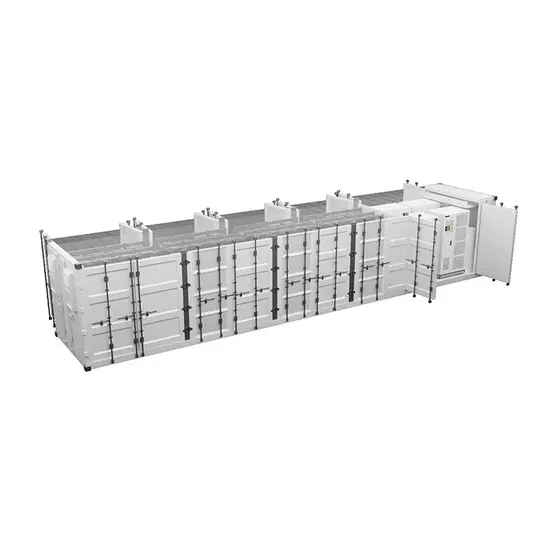
What are the strong companies in lithium batteries and energy storage in A shares
This report provides a comprehensive overview of the battery storage market, highlighting key growth drivers, technological advancements, and a curated list of companies poised for significant impact in 2025 and beyond. It is a groundbreaking energy storage solution that stores energy utilizing numerous battery technologies. Most notable for green energy advocates is the September. . The lithium market faced challenges in 2025, but long-term prospects remain strong and investor interest is returning to the sector. Learn about the news driving the top western lithium stocks here. 1 Billion in 2024 and is projected to reach USD 57. 3% during the forecast period (2024-2032). 20 Frameworks, Startup Intelligence & More! Executive Summary: Which are the Top 10 Battery Storage Startups to Watch? Luxera Energy. .
[PDF Version]
-
How much does it cost to invest in energy storage batteries in Indonesia
The average cost of installing a battery energy storage system can range from IDR 1 billion to IDR 3 billion (USD 70,000 to USD 210,000) per megawatt-hour. . Energy storage, primarily Lithium-Ion batteries, is introduced and optimized considering current costs, operational parameters, and their interaction with factors such as demand, solar and wind availability, investment and operational costs, and renewable energy targets. 8 billion (2031), representing compound annual growth rate of 21. 6. . Deployment of behind-the-meter (BTM) energy storage in commercial, industrial, and residential sectors is gaining traction as end-users seek energy cost savings and backup power capabilities. The archipelago's unique geography and ambitious 35% renewable energy target by 2030 create a perfect storm for energy storage. .
[PDF Version]
-
How much does solar container lithium battery solar energy storage cost in Maldives
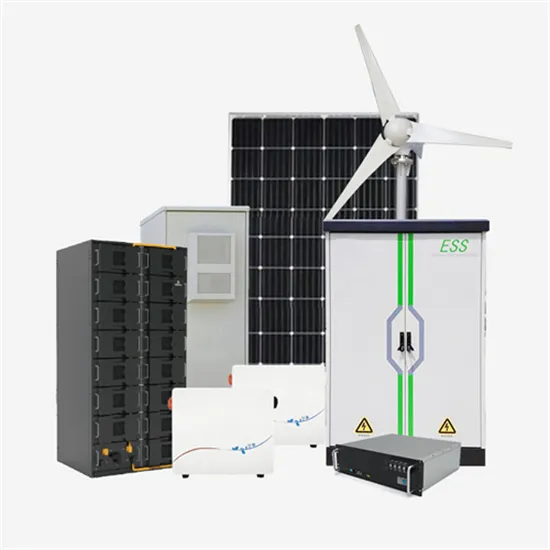
Three factors dominate Maldives energy storage equipment price calculations: "A resort requiring 500kWh daily needs $180,000-$240,000 for lithium-ion systems, but achieves 6-year ROI through fuel savings. " - EK SOLAR Project Report. Looking for reliable lithium battery prices in the Maldives? This guide breaks down current market rates, application scenarios, and cost-saving strategies tailored for resorts, solar projects, and infrastructure development. Discover how lithium-ion batteries are transforming energy storage in. . All-in BESS projects now cost just $125/kWh as of October 2025 2. Capex of $125/kWh means a levelised cost of storage of $65/MWh 3. Therefore, all parameters are the same for the research and development (R&D) and Markets & Policies Financials cases. The 2024 ATB. . In 2025, the typical cost of a commercial lithium battery energy storage system, which includes the battery, battery management system (BMS), inverter (PCS), and installation, is in the following range: $280 - $580 per kWh (installed cost), though of course this will vary from region to region. . How much does a 1mwh-3mwh energy storage system with solar cost? PVMars lists the costs of 1mwh-3mwh energy storage system (ESS) with solar here (lithium battery design). 2 US$ * 2000,000 Wh = 400,000 US$.
[PDF Version]
-
How much is a 60V20ah solar container lithium battery pack
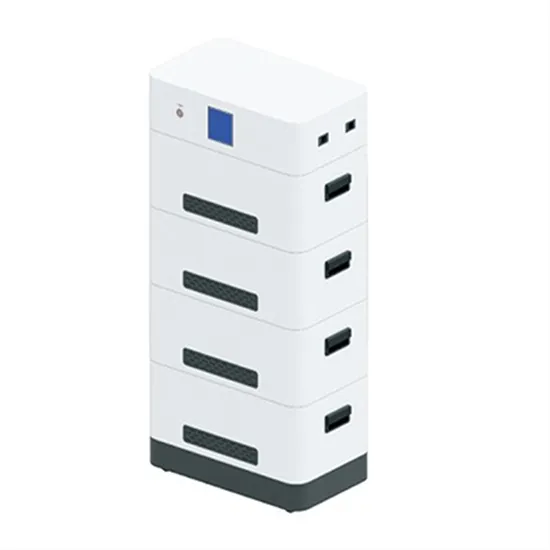
Compare costs from $7K-$18K, top brands, installation fees, rebates & ROI. Make smarter energy investment. . Check each product page for other buying options. 72V Lithium Lifepo4 E-Bike Battery, 20Ah LiFePO4 Lithium Battery Pack with 50A BMS for 0-1800W Motor. This state-of-the-art rechargeable 60V lithium battery pack is expertly constructed with high quality 18650 NMC cells, delivering a lightweight, reliable and long-lasting power source. However, they are generally more expensive. Lead-acid batteries are more cost-effective, robust, and tolerant to overcharging but are heavier and have a lower energy density. com at unrivaled discounts and enjoy high-performance output. . Discover the Ultimate Power with 60V 20AH LIFEPo4 Battery Packs In today's fast-paced world, reliable and efficient power solutions are crucial, especially for those looking to power heavy-duty devices like electric vehicles, e-bikes, or portable power stations.
[PDF Version]
 MENU