
-
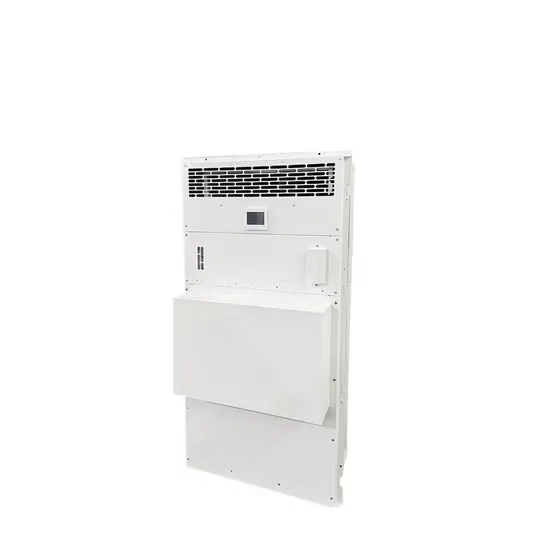
How much does it cost to bid for an off-grid battery storage cabinet
Buyers typically see capital costs in the hundreds to low thousands of dollars per kilowatt-hour, driven by project size, technology, and siting. The primary cost drivers are battery modules, balance of system, grid interconnection, permitting, and long-lead equipment. This article presents clear. . The battery storage technologies do not calculate levelized cost of energy (LCOE) or levelized cost of storage (LCOS) and so do not use financial assumptions. This blog post explores how energy companies can design bidding strategies to optimize profits and. . In 2025, the typical cost of a commercial lithium battery energy storage system, which includes the battery, battery management system (BMS), inverter (PCS), and installation, is in the following range: $280 - $580 per kWh (installed cost), though of course this will vary from region to region. . The cost per MW of a BESS is set by a number of factors, including battery chemistry, installation complexity, balance of system (BOS) materials, and government incentives.
[PDF Version]
-
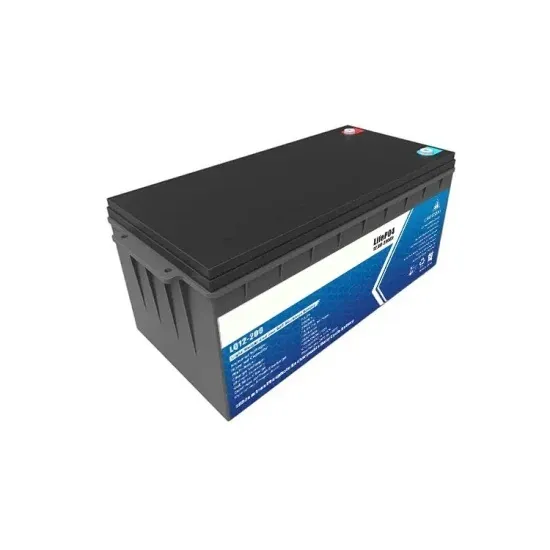
How much does it cost to customize an Amman energy storage battery cabinet
This guide presents cost and price ranges in USD to help plan a budget and compare quotes. . Amman battery cabinets, known for their modular design and scalability, are widely used in: "Proper configuration can increase system efficiency by up to 30% while reducing maintenance costs. " – 2023 Energy Storage Report A well-configured system typically includes: 1. Capacity Planning Calculate. . How much does it cost to customize the energy storage cabinet? The cost of customizing an energy storage cabinet can vary significantly based on several factors, including 1. This article explores cost drivers, industry benchmarks, and actionable strategies to optimize your investment – whether you're managing a solar farm or upgrading. . Whether you're a factory manager trying to shave peak demand charges or a solar farm operator staring at curtailment losses, understanding storage costs is like knowing the secret recipe to your grandma's apple pie.
[PDF Version]
-
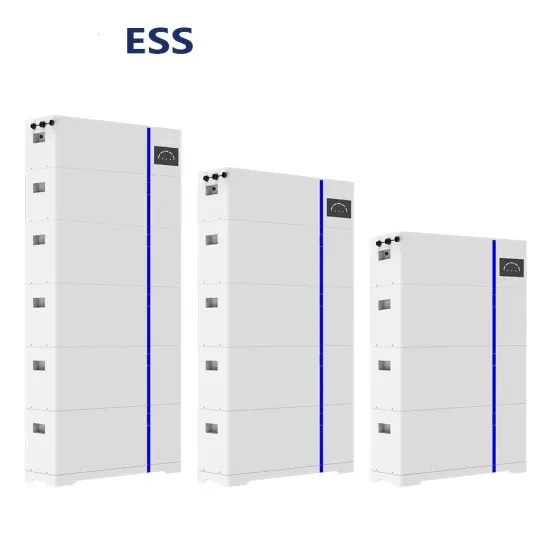
How much does a british cylindrical solar energy storage cabinet lithium battery cost
$280 - $580 per kWh (installed cost), though of course this will vary from region to region depending on economic levels. For large containerized systems (e., 100 kWh or more), the cost can drop to $180 - $300 per kWh. However, a more precise way to assess their value is by using the £/kWh metric, which stands for price per kilowatt-hour of storage. The more affordable options often. . But with battery prices varying from £4,000 for an entry-level 4kWh right up to a whopping £12,000 for a 16kWh model, choosing the right system for your home is vital. Generally, if it is installed simultaneously. . Wondering how much a modern energy storage charging cabinet costs? This comprehensive guide breaks down pricing factors, industry benchmarks, and emerging trends for commercial and industrial buyers. Whether you're planning a solar integration project or upgrading EV infrastructure, understanding. .
[PDF Version]
-
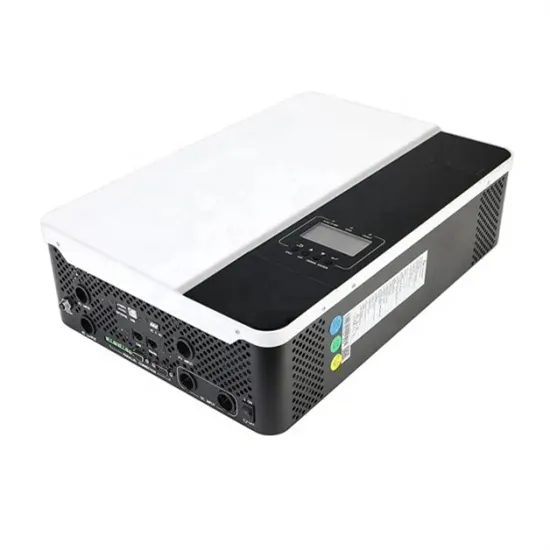
How much does a large-scale energy storage cabinet cost for european airports
For a typical 100 MW/400 MWh utility-scale installation in Europe,hardware and equipment costs currently range from EUR40 to EUR60 million. However,these costs are expected to decrease by 8-10% annually as manufacturing efficiency improves and supply chains mature. As we've explored,the current costs range from EUR250 to EUR400 per kWh,with a clear downward trajectory expected. . Prices typically range between €150,000 to €500,000+, de What Drives the Price of Container Energy Storage Systems in the EU? Container energy storage cabinets have become a game-changer for industries needing scalable power solutions. Department of Energy's (DOE) Energy Storage Grand Challenge is a comprehensive program that seeks to accelerate. .
[PDF Version]
-
How much does a grid-connected IP66 battery cabinet cost for Russian mines
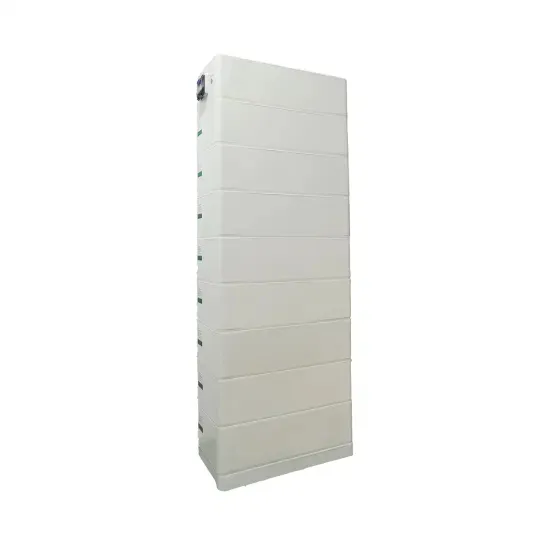
While exact unit prices vary, several thousand dollars per cabinet is a common investment that field engineers make to achieve reliability under harsh weather conditions and support backup power. . Buyers typically see capital costs in the hundreds to low thousands of dollars per kilowatt-hour, driven by project size, technology, and siting. The primary cost drivers are battery modules, balance of system, grid interconnection, permitting, and long-lead equipment. Whether you're planning a solar integration project or upgrading EV infrastructure, understanding. . Featuring lithium-ion batteries, integrated thermal management, and smart BMS technology, these cabinets are perfect for grid-tied, off-grid, and microgrid applications. The price range generally falls between $10,000 and $100,000, depending on specifications and capacity.
[PDF Version]
-
How much does cabinet energy storage system cost in london
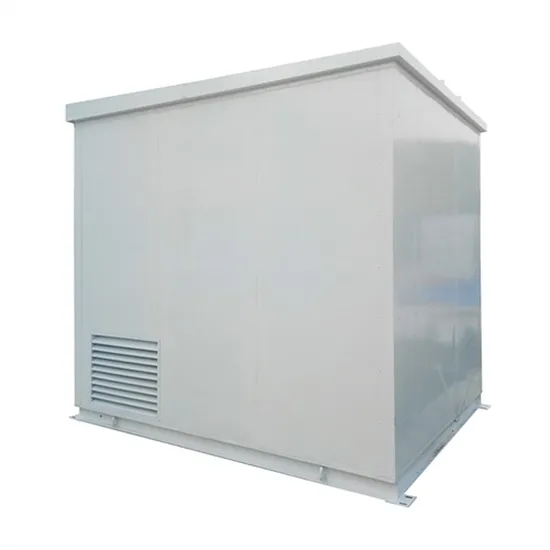
Wondering how much a modern energy storage charging cabinet costs? This comprehensive guide breaks down pricing factors, industry benchmarks, and emerging trends for commercial and industrial buyers. . Battery pack (lithium-iron phosphate/lithium-ion): This is the biggest cost component, typically accounting for 50% to 60% of the total price. Battery Management System (BMS): Ensures safety, efficiency, and longevity. Power Conversion System (PCS/inverter): Controls charging, discharging, and. . Whether you're a factory manager trying to shave peak demand charges or a solar farm operator staring at curtailment losses, understanding storage costs is like knowing the secret recipe to your grandma's apple pie. Our analysis targets: Think of an energy storage cabinet as a tech-savvy Russian. . Report by Mott MacDonald providing updated costs and technical assumptions for electricity storage technologies. Costs range from €450–€650 per kWh for lithium-ion systems. Higher costs of €500–€750 per kWh are driven by higher. . Home energy storage systems are emerging in the UK, with battery project completions increasing 78% in the first half of 2025 and a 49% jump in the planning approvals. What's driving this growth? Supportive policies like the Smart Export Guarantee (SEG), which pays you for solar energy you send. .
[PDF Version]
 MENU