
-
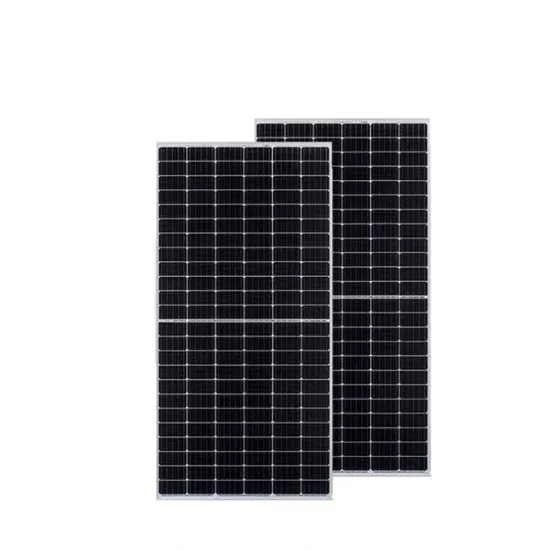
How are the photovoltaic panels separated in the middle
Mid Clamps: These go between panels, holding two adjacent modules in place on a rail. Some systems also use grounding clamps that ensure all panels are properly grounded for electrical. . Ever looked closely at a photovoltaic panel and wondered why it's divided into smaller sections like a chocolate bar? That's not just for aesthetics – it's a carefully engineered solution combining physics, materials science, and good old practicality. But what exactly makes up a solar PV system? Let us look closer into the essential parts of a solar photovoltaic system, breaking down each component and explaining how they work together to bring clean. . Photovoltaic panels, commonly referred to as solar panels, are devices that convert sunlight directly into electricity through the photovoltaic effect. They have become essential in the quest for sustainable energy as they contribute to reducing reliance on fossil fuels. At the heart of every solar setup is a mix of mechanical and electrical parts. Mechanically, we're talking about frames, rails. .
[PDF Version]
-
How to heat with solar energy and photovoltaic panels
Our guide covers how solar heating works, its benefits, and how to determine whether it's right for you. We also reviewed the best solar companies available nationwide, all of which can power your solar heating system of choice. . Solar heating utilizes the energy stored in solar panels to power your home's air and water heating systems. It involves two distinct technologies with different price tags and efficiencies. For smaller, targeted heating needslike a workshop, greenhouse, or even a chicken coopa simple Solar. . esidential solar heating systems offer a remarkable way to harness the sun's energy to warm your home, providing a sustainable and cost-effective alternative to traditional heating methods. For homeowners seeking to cut down on utility costs and reduce their carbon footprint, understanding how. . To effectively warm an entire house, particularly the upper floors, using solar energy involves several key strategies that maximize efficiency and harness renewable energy sources. Invest in solar photovoltaic panels, 3.
[PDF Version]
-
How to network solar photovoltaic panels
In this article, you will discover the essential steps involved in wiring solar panels, including the different configurations you can use—series and parallel connections—and when to apply each method. Let's get into further details. What to Consider Before Wiring Your Solar Panels? Before. . How to wire solar panels? There are several options. We will delve into the necessary tools and materials, as well as the importance of safety. .
[PDF Version]
-
How much does 24 photovoltaic panels cost
For most homeowners, a full residential solar setup, panels, inverters, mounting hardware, permitting, and professional installation, runs between $15,000 and $30,000 before incentives. Your actual cost depends on your home's energy needs, roof characteristics, location and other factors, all of which we'll break down in. . How much do solar panels cost on average? As of 2026, the average cost of residential solar panels in the U. This typically translates to about $2. 50 per watt of installed capacity (more on price per watt below). To find the most up-to-date solar panel costs in 2025, we compared research from. . NLR analyzes the total costs associated with installing photovoltaic (PV) systems for residential rooftop, commercial rooftop, and utility-scale ground-mount systems. This work has grown to include cost models for solar-plus-storage systems. 75 per watt before factoring in available solar incentives.
[PDF Version]
-

How about building a factory to produce photovoltaic panels
This guide covers what actually matters when building a solar panel manufacturing facility: space requirements, infrastructure needs, equipment selection criteria, and realistic timelines from empty building to certified module production. The difference between a functional facility and a profitable one comes down to facility design, workflow optimization, and selecting equipment that won't become obsolete when cell technology shifts. This guide will take you through every aspect of setting up and operating a solar panel manufacturing plant, ensuring you have the knowledge and tools to succeed in this. . While some concentrating solar-thermal manufacturing exists, most solar manufacturing in the United States is related to photovoltaic (PV) systems. Those systems are comprised of PV modules, racking and wiring, power electronics, and system monitoring devices, all of which are manufactured. Learn. . Solar panels have become an important part of the global energy transformation. Global solar power capacity will grow exponentially between 2024 and 2030. The fastest growth is expected in emerging economies such as India, Brazil and Southeast Asian countries, but mature markets including Europe. . Solar panel manufacturing involves complex processes, material supply chains, and rigorous durability needs. As the demand for clean energy sources. .
[PDF Version]
-
How to fix the photovoltaic panels without stepping on them
This DIY tutorial provides step-by-step instructions on common solar panel repairs, including low voltage and low amper. With the right tools and knowledge, you can extend the lifespan of your solar system and enjoy its benefits for years to come. We'll explore common issues, the tools you'll need, safety precautions, and step-by-step solutions. You'll also learn when to seek professional help to safeguard your system's efficiency and value. more 99% Don't Know How To Repair Solar Panel At Home ? Learn how to save money and reduce your carbon. . We'll break down the simple repairs you can confidently tackle on your own and identify the complex problems that require an expert's touch, ensuring you know exactly how to fix broken solar panels without risking your safety or your system's warranty. We will also discuss when it is. . As long as the damage to the solar panel is limited to microcracks or faulty wiring, they can typically be repaired. While microcracks technically cannot be fixed, the problems they create can be addressed.
[PDF Version]
 MENU