
-
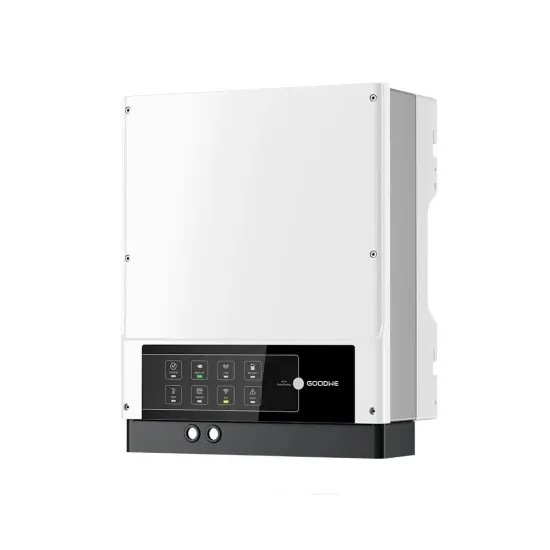
How to get started with solar energy storage technology
This guide offers a clear path to understanding how a complete home solar battery installation comes together, from the essential components to the final commissioning. A solar battery storage system is an ecosystem of parts working together. Sometimes two is better than one. Energy storage systems for solar energy are crucial for optimizing the capture and use of solar power, allowing for the retention of excess energy generated during peak sunlight hours for later use. The guide is organized aro nd 12 topic area questions.
[PDF Version]
-
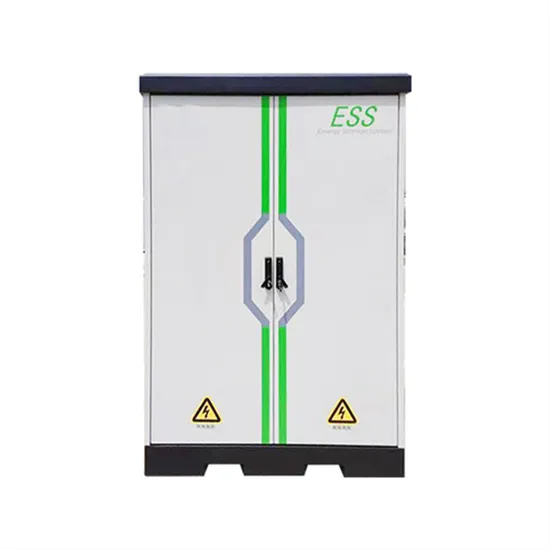
How much does Korean energy storage vehicle products cost
Prices range from $15,000 to $50,000 per unit. Import Challenges: Sanctions mean parts are smuggled via. creative routes. Add 20-30% to costs for “logistical fees. ” Customization: Need radiation-hardened storage for a nuclear facility? That'll cost extra. . Less than a decade ago, South Korean companies held over half of the global energy storage system (ESS) market with the rushed promise of helping secure a more sustainable energy future. However, a string of ESS-related fires and a lack of infrastructure had dampened investments in this market. 81 USD Billion in 2025 to 19112. 43 USD Billion by 2035, exhibiting a compound annual growth. . How much does a new SUV cost in Korea? The SUV Model Y will be priced at a little over $54,000 (59. Typically, prices can range from a few thousand to tens of thousands of dollars, depending. . EIPGRID offers you energy certainty with AI-backed decision making for communities, aggregators, and utilities, through our energy services and EIP Virtual Power Plant platform. JIOS Aerogel's innovative technology enhances the safety and efficiency of Li-ion batteries by effectively mitigating. .
[PDF Version]
-
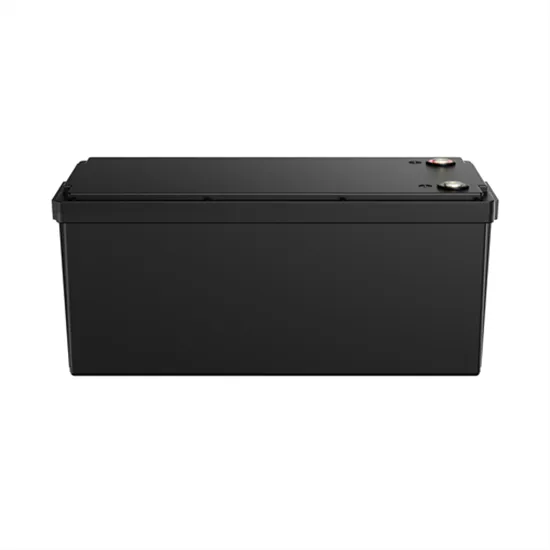
Solar and energy storage products
Read on to learn about the different types of solar power storage systems and which ones are most useful. This provides blackout protection, greater energy independence, and reduced reliance on utility companies. . Energy storage systems (ESS) might all look the same in product photos, but there are many points of differentiation. What power, capacity, system smarts actually sit under those enclosures? And how many of those components actually comprise each system? The number of options – from specialized. . In the last year, nearly two-thirds of solar. Why? Because home battery storage has something to offer everyone—from backup power to bill savings to self-reliance. With this in mind, there is no single. . Many states, including California, Hawaii, Illinois, Maryland, Massachusetts, and Oregon, also offer incentives for solar storage systems.
[PDF Version]
-
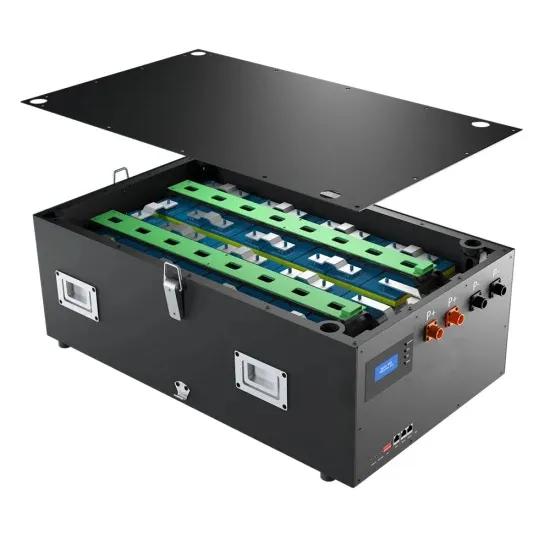
Comparison of Mobile Energy Storage Container Products
This guide provides a comprehensive overview of how to choose energy storage containers based on real-world performance factors rather than marketing claims. Look for integrated inverters, scalable designs, and lithium iron. . Energy storage has become one of the hottest areas in power engineering as we transition to cleaner energy sources. With renewable energy growing rapidly worldwide, the need to bridge the gap between intermittent supply and constant demand has never been more critical. As one industry expert noted. . From small 20ft units powering factories and EV charging stations, to large 40ft containers stabilizing microgrids or utility loads, the right battery energy storage container size can make a big difference.
[PDF Version]
-
How much energy storage is required for the Dushanbe solar project
This 150 MW/300 MWh lithium-ion battery system isn"t just another infrastructure project—it"s like a giant "energy bank account" for Tajikistan"s capital, storing surplus power during low-demand periods and releasing it when needed most. . The International Energy Agency (IEA) predicts global energy storage capacity will grow by 56% annually through 2030. Projects like the Dushanbe facility address three urgent needs: Let's break down how this technology serves different sectors: 1. Grid Stabilization & Peak Shaving Utilities in. . The project contracted generation capacity size range from a minimum of 123MW to a maximum 124MW for 4 hours;. Who's Reading This? Let's Break It Down Think of this 200MW/800MWh system as. . plans regardingdistrict heating facilities located in Dushanbe,Ta ncies seeking to procure li es current business models and methods to participate in the energy market. It includes recommendations to authorities to facilitate a viable participation of storage syste s a substantial benefit tal and. . How energy storage power stations are being built? In terms of installed capacity,new energy storage power stations are now being built in a more centralized wayand large scale with longer storage duration period,said the administration. Will China build a new energy storage system? Technicians. .
[PDF Version]
-
How much does a large-scale collapsible modular energy storage system cost in the us
For these containerized systems, starting at roughly 100 kWh and extending into the multi-MWh range, fully installed costs often fall in the USD $180–$320 per kWh range. . DOE's Energy Storage Grand Challenge supports detailed cost and performance analysis for a variety of energy storage technologies to accelerate their development and deployment The U. The suite of. . In 2025, the typical cost of a commercial lithium battery energy storage system, which includes the battery, battery management system (BMS), inverter (PCS), and installation, is in the following range: $280 - $580 per kWh (installed cost), though of course this will vary from region to region. . For smaller commercial and industrial (C&I) energy storage projects in the 50–500 kWh range, installed costs typically fall in the range of USD $500–$1,000 per kWh. These systems are usually behind-the-meter and serve small factories, workshops, commercial buildings, office towers, and shopping. .
[PDF Version]
 MENU