
-
Prices of home solar container energy storage systems in Spain
Prices for Spanish energy storage systems have plunged 40% since 2020. A typical 10kWh setup now costs €6,000-€8,000 – about the price of a really good Ibiza weekend. But unlike your beach memories, these systems pay for themselves in 5-7 years through Spain's scalable feed-in. . Spain's solar panel container projects now deliver up to 18-24% annual returns, thanks to 2,800+ sunshine hours and aggressive feed-in tariffs. This BESS was deployed by In eteam at a green hydrogen facility in Ciudad Real. The gover y 2030 storage push for storage, with batteries et t le ambition risk oversupply and project economics. Spain"s draft National Energy and. . Why do we need energy storage systems in Spain?Energy storage systems in Spain are a key element in the fight against climate change, as they help us to address the challenge of the energy transition. These systems make renewable energy production more flexible; and therefore help us to guarantee. . Meet the Residential BESS Container, the unsung hero of Madrid's 2025 energy scene. In Acciona's 1,000-home project, these nifty 40–100 kWh units work their magic by charging at €0. 32/kWh peak hours —think of it as a financial shield for your wallet.
[PDF Version]
-
What are the models of home energy storage systems
In this comprehensive guide, we'll explore the primary types of home battery storage available in 2025, from proven lithium-ion systems to emerging technologies that promise to reshape the energy storage landscape. . Home battery storage has become a cornerstone of energy independence in 2025, with over 3. These systems not only help reduce reliance on the traditional power grid but also enable better management of electricity costs and. . The answer lies in home energy storage.
[PDF Version]
-
Disadvantages of Home Energy Storage
Home energy storage systems offer numerous advantages, including energy savings, independence, and emergency backup power. These systems typically include a battery bank, a charger, and an inverter, allowing homeowners to store surplus electricity generated by solar panels or other renewable energy sources for later use. Understanding these drawbacks is crucial for making informed decisions about energy management and technology investments. High Initial Costs. . Energy Independence One of the most attractive benefits of home battery storage is the ability to become more independent from the traditional power grid. However, as with all choices, it comes with pros and cons. Households with solar panels don't just use battery storage but. . The primary disadvantages of solar storage are cost, capacity limitations, and environmental impacts.
[PDF Version]
-
Huawei s home energy storage needs
Unlike conventional storage solutions, Huawei's system employs Smart String Technology that increases energy yield by 15% while extending battery lifespan. A modular design allows configurations from 5kWh for residential use to 100MWh for utility-scale projects. This guide provides a comprehensive understanding of home solar energy storage, including its. . Generate your own solar power, store it for later, and reduce your energy costs! With Green Power's Huawei FusionSolar Home Storage Solution, enjoy unmatched energy independence and cost savings. Discover industry applications, global market trends, and real-world success stories in solar integration and smart grid management. Why Energy Storage Matters in Modern. . ing 6.
[PDF Version]
-
What are the energy storage gas fire protection systems
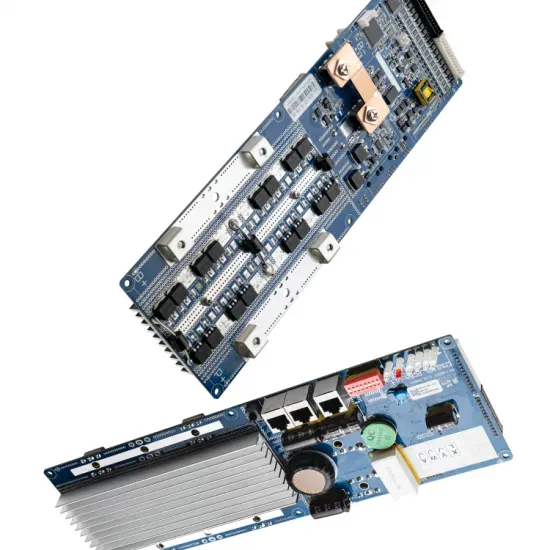
The energy storage fire protection system is mainly composed of a detection part and a fire extinguishing part, which can realize the automatic detection, alarm and fire extinguishing protection functions of the protection zone or battery storage container. . These systems, including batteries and other storage technologies, allow for the efficient storage of energy generated from sources like solar and wind. This is where the. . Battery Energy Storage Systems, or BESS, help stabilize electrical grids by providing steady power flow despite fluctuations from inconsistent generation of renewable energy sources and other disruptions. While BESS technology is designed to bolster grid reliability, lithium battery fires at some. . What are the energy storage fire protection solutions? Energy storage fire protection solutions are critical for ensuring the safety and reliability of energy storage systems. Various solutions can mitigate fire risks, 2. One key approach is implementing safety standards, 3. This will change with the 2027 IFC, which will follow th. . The energy storage system plays an increasingly important role in solving new energy consumption, enhancing the stability of the power grid, and improving the utilization efficiency of the power distribution system.
[PDF Version]
-
Home appliance energy storage solar container lithium battery
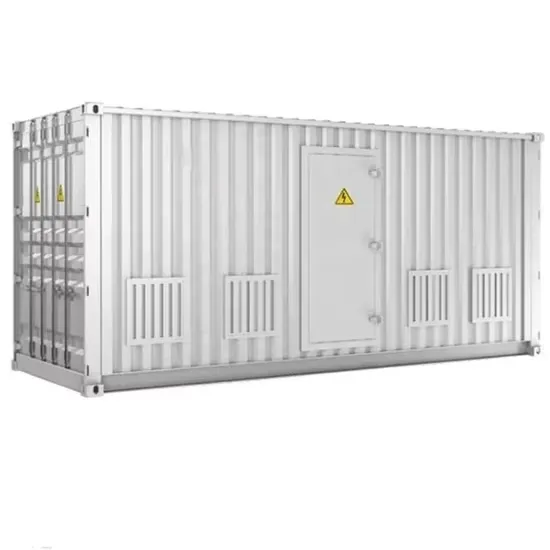
Home energy storage systems are designed to store excess energy generated from renewable sources like solar panels. Lithium-ion batteries, particularly the LFP type, are ideal for residential applications due to their: High safety standards. Technically, it performs three core functions within the home's power ecosystem: Most households generate solar power when they need it least—midday—while consumption peaks in the evening. Another benefit of solar batteries is maximizing your return on solar investments. These advanced systems capture excess solar power during peak production hours and deliver it when you need it most, slashing utility bills while. . As solar energy becomes increasingly popular among homeowners, the need for efficient and reliable battery storage systems has grown significantly.
[PDF Version]
 MENU