
-
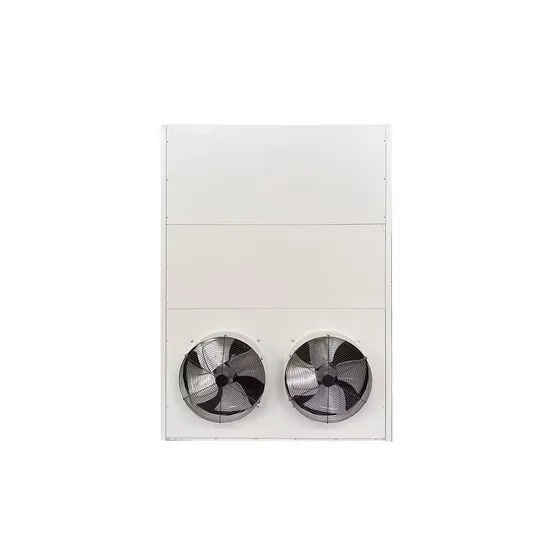
Battery Warranty for Industrial and Commercial Energy Storage Systems
Most commercial battery systems come with three core warranty types: High-quality manufacturers (e., Tesla, Fluence, Powin, Enphase, Sonnen) generally offer 10–15 years of coverage. What's Actually Covered—and What's Not You'll want to read the warranty carefully for:. Batteries are essential for guaranteeing that residential and commercial buildings can be driven by renewable energies even when the sunlight has set or the wind has ceased blowing. Distributed energy storage systems can enhance grid resilience and be a backup strategy during power outages in. . In 2025, battery storage is a significant capital investment, and warranties play a major role in protecting performance and financial returns over the system's life. But not all warranties are created equal. They involve chemistry. . Valentin Lorscheid and Dr. Inflexible and complex, the warranty model for energy storage systems has failed to keep pace with rapid market growth, the authors argue. . With energy ratings from 200 kWh to multiple MWh, our battery storage options are sure to fit your microgrid system needs.
[PDF Version]
-
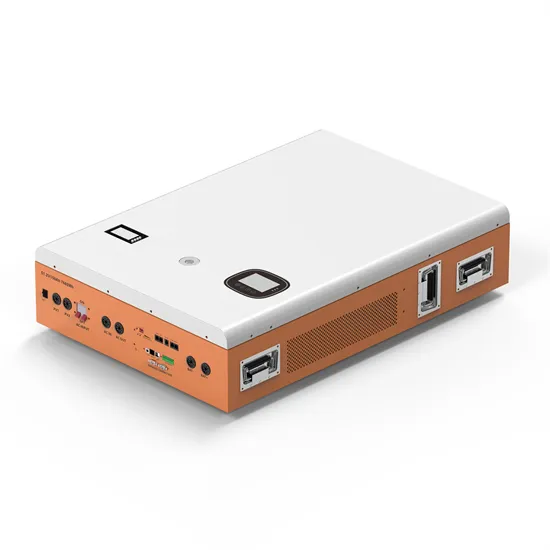
The dangers of battery solar container energy storage systems in solar container communication stations
Faulty wiring, improper grounding, or electrical overloads in an energy storage container can pose significant risks, including electrical shocks, short circuits, and fires. . The Lithium-ion Batteries in Containers Guidelines that have just been published seek to prevent the increasing risks that the transport of lithium-ion batteries by sea creates, providing suggestions for identifying such risks and thereby helping to ensure a safer supply chain in the future. What. . Apart from Li-ion battery chemistry, there are several potential chemistries that can be used for stationary grid energy storage applications. Challenges for any large energy storage system installation, use and maintenance include. . Battery Energy Storage Systems, or BESS, help stabilize electrical grids by providing steady power flow despite fluctuations from inconsistent generation of renewable energy sources and other disruptions. Over the last decade, the installed base of BESSs has grown considerably, following an increasing trend in the number of BESS failure. .
[PDF Version]
-
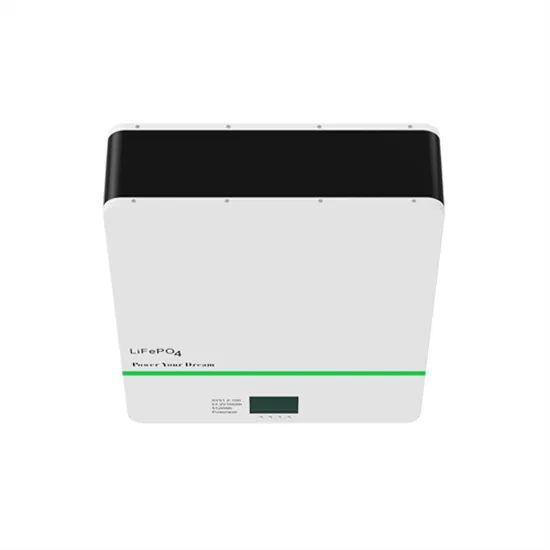
Middle East wall-mounted home energy storage battery
Here are the most common setups for East Africa: LiFePO4 (Lithium Iron Phosphate) batteries offer high cycle life, safety, and performance — perfectly suited for East Africa's climate and energy usage patterns. User Need: Daily consumption ~8kWh; night backup and blackout. . These batteries can store excess energy generated from solar panels or the grid, ensuring that families have access to electricity even during outages. [pdf] Cyprus. . At TERLI, we specialize in delivering turnkey residential solar + battery systems that are safe, scalable, and tailored to everyday energy use.
[PDF Version]
-
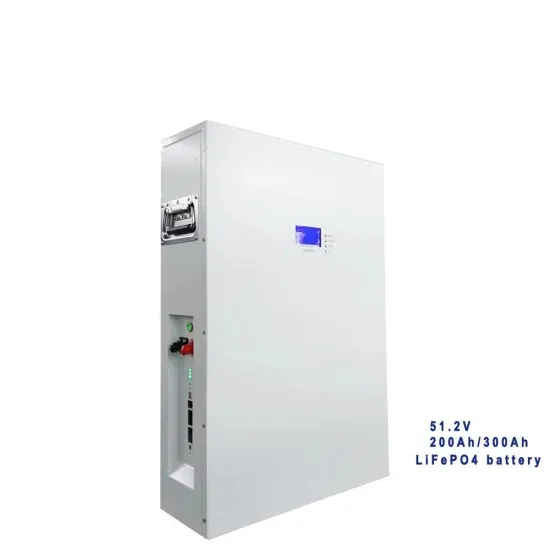
Factory container energy storage solar container lithium battery cost
In 2025, the typical cost of commercial lithium battery energy storage systems, including the battery, battery management system (BMS), inverter (PCS), and installation, ranges from $280 to $580 per kWh. Larger systems (100 kWh or more) can cost between $180 to $300 per kWh. . Learn how to break down costs for containerized battery systems – from hardware to hidden fees – and discover why 72% of solar+storage projects now prioritize modular designs. Let's decode the math behind your next investment. The projections are developed from an analysis of recent publications that include utility-scale storage costs. Department of Energy's (DOE) Energy Storage Grand Challenge is a comprehensive program that seeks to accelerate. .
[PDF Version]
-
200kW solar container lithium battery home energy storage
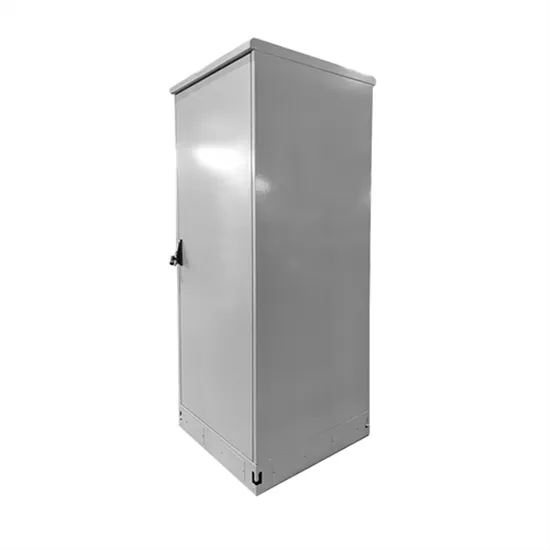
This all-in-one system combines energy storage, inverter, cooling, and smart management in an IP54-rated cabinet. It supports grid dispatch, peak shaving, and renewable integration while withstanding harsh outdoor conditions—perfect for C&I energy storage. These systems, which use advanced lithium-ion batteries, offer a reliable method for storing and managing electrical energy. Perfect for hospitals (backup power). . Our 200kWh battery bank is designed to meet the energy-demanding requirements of commercial and industrial areas. It integrates advanced components for maximum performance and safety, including: EMS (Energy Management System): The intelligent EMS monitors and optimizes energy flow, balancing supply. . Unlock the potential of renewable energy with the state-of-the-art 100KW, 200KW, 300KW, 400KW, and 500KW Off-Grid Solar Power LiFePO4 Lithium Battery Solutions from Yichun Enten Science and Technology Co Ltd.
[PDF Version]
-
How many battery energy storage systems are there in Damascus communication base stations
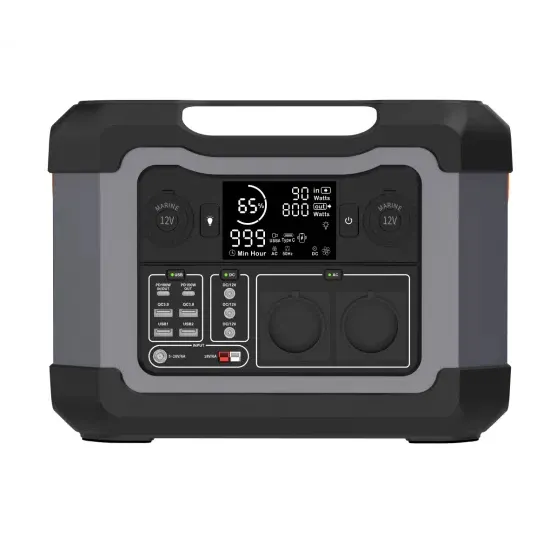
Major commercial projects now deploy clusters of 15+ systems creating storage networks with 80+MWh capacity at costs below $270/kWh for large-scale industrial applications. Technological advancements are dramatically improving industrial energy storage performance while reducing costs. . From solar farm integrations to emergency backup systems, Damascus now requires: Recent data reveals a 47% year-over-year increase in battery storage imports through Latakia Port (Syrian Customs, 2023 Q2). Key drivers include: "Battery storage isn't just equipment - it's the cornerstone of. . A battery energy storage system (BESS), battery storage power station, battery energy grid storage (BEGS) or battery grid storage is a type of energy storage technology that uses a group of batteries in the grid to store electrical energy. Europe. . Summary: The Damascus Huawei energy storage project represents a landmark initiative in renewable energy integration.
[PDF Version]
 MENU