
-
Dominic photovoltaic folding containers used in train stations offer ultra-high efficiency
The foldable photovoltaic panel container uses high-efficiency solar cell technology, which can fully absorb solar energy during the day and convert it into electrical energy to meet the basic electricity needs of local residents. . d Shanghai can cover the energy consumption of the local BS-HSR. These results indicate the high potentialof the railway. . Function The Mobile Photovoltaic Folding Container is a fully integrated, mobile energy system built on a standard container platform, enabling rapid deployment via truck, ship, or train. This technology is capable of providing high power output while maintaining a compact size.
[PDF Version]
-
Price list for wind-resistant photovoltaic folding containers used in base stations
Below is an exploration of solar container price ranges, showing how configuration choices capacity, battery size, folding mechanism, and smart controls drive costs. Unlike standard solar panel containers, LZY's mobile unit features a retractable solar panel unit for quick installation. In general, a. . That is why we have developed a mobile photovoltaic system with the aim of achieving maximum use of solar energy while at the same time being compact in design, easy to transport and quick to set up. This system is realized through the unique combination of innovative and advanced container. . Highjoule's mobile solar containers provide portable, on-demand renewable energy with foldable photovoltaic systems (20KW–200KW) in compact 8ft–40ft units. Ideal for temporary power, remote locations, or emergency backup, these all-in-one solutions combine high-efficiency solar generation with. . Available in both 20ft and 40ft variants, these innovative containers are designed to revolutionize the way we harness and utilize solar power. What sets Solarfold™ apart is our patented dual-rail guiding mechanism, enabling automated. .
[PDF Version]
-
Delivery time of DC power supply for photovoltaic cell cabinets used in base stations
By harnessing solar power during the daytime and storing it, the system offers an uninterrupted 24/7 power supply even at nighttime or during cloudy days, greatly limiting the system's dependence on the grid and electricity spending. . For DC power test applications ranging from 120kW to 1920kW (1. The systems contain all AC input power wiring and output wiring or bus bars to create turn-key high power DC. . (PSU), Environmental Monitoring (EMU), and Power Protection Cabinet (PPC) designs, along with the PowerPlus series, are now available to telecom operators in North America. These solutions save carriers time and money as new-generation equipment gets installed in remote locations. Pre-Shipment Panel Preparation 2. Loading Techniques That Prevent Damage Here's where. . Telecom cabinets often operate under light load conditions, especially in urban environments with small cells or micro base stations. They use free sunlight to cut energy costs and save money. These systems are very reliable, even during bad weather or outages.
[PDF Version]
-
Bidirectional charging of photovoltaic energy storage containers for power stations
Bidi-rectional charging, in particular, enables EVs to serve as temporary energy storage units, providing power back to the grid during peak demand periods and enhancing overall grid stability. . ile, flexible storage systems that can be integrated into the grid. This paper introduces a novel testing environment that integrates unidirectional and bidirectional cha ging infrastructures into an existing hybrid energy storage syste y of the energy storage systemof the photovoltaic charging. . Sabine Busse, CEO of Hager Group, emphasized the crucial importance of bidirectional charging and stationary energy storage systems for the energy supply of the future at an event of the Chamber of Industry and Commerce in Saarbrücken. What is BESS? Battery Energy Storage Systems (BESS) are systems. . ELECTRIC CARS AS ROLLING CHARGING STATIONS: In the "ROLLEN" research project, Fraunhofer IFAM and its partners have shown how electric vehicles with bi-directional charging technology can store surplus energy from photovoltaic systems and pass it on in a targeted manner - to buildings, other. . The Bidirectional Charging project, which began in May 2019, aimed to develop an intelligent bidirectional charging management system and associated EV components to optimize the EV flexibility and storage capacity of the energy system.
[PDF Version]
-
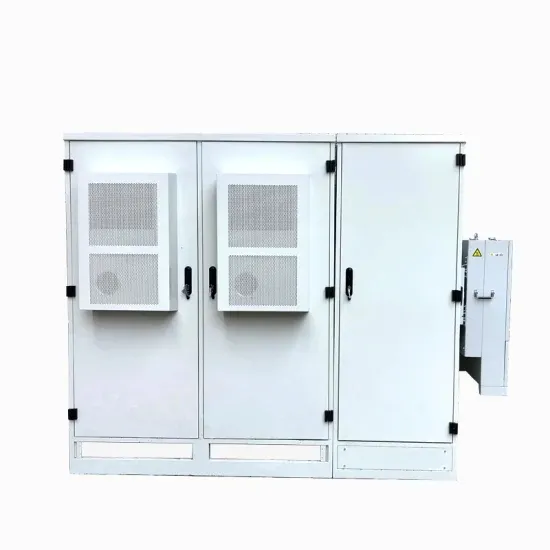
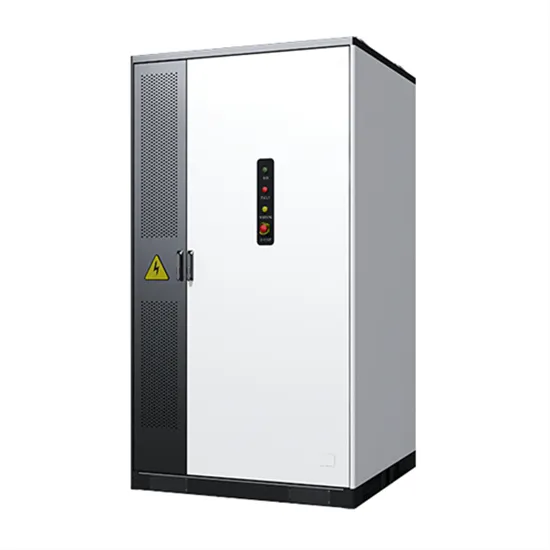
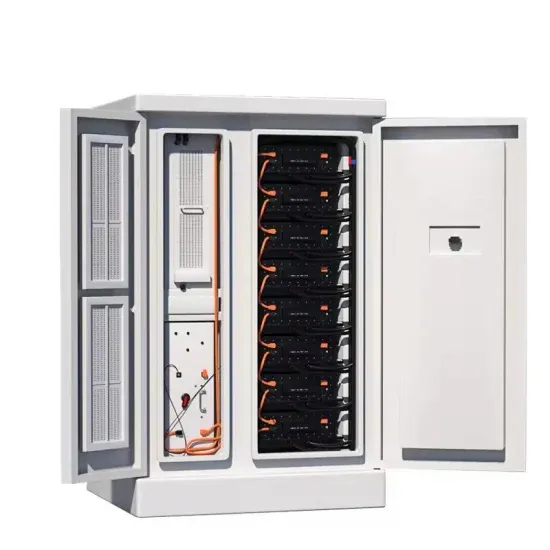
Long-lasting Smart Photovoltaic Energy Storage Outdoor Cabinet for Railway Stations
An Outdoor Photovoltaic Energy Cabinet is a fully integrated, weatherproof power solution combining solar generation, lithium battery storage, inverter, and EMS in a single cabinet. Sustainable, high-efficiency energy storage solutions. With IP54/IP55 protection, anti-corrosion design, and intelligent temperature control, they are ideal for telecom base stations, remote power supply, and containerized microgrids. Our outdoor cabinets. . The SUNWAY 50-100 kW Outdoor Cabinet ESS is an all-in-one energy storage solution designed for commercial and industrial applications. Equipped with a reliable Growatt inverter, it supports flexible battery options including rack-mount and stackable batteries. Engineered for reliability and performance, it provides a durable and efficient enclosure for. .
[PDF Version]
-
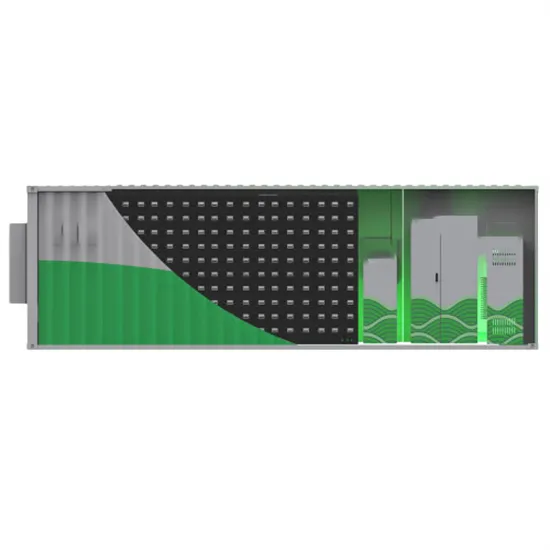
Cost of 20-foot photovoltaic shipping containers used in African mines
Short version: From 2024, it costs between $2,800 and $5,500 to ship a 20-foot container of solar panels around the world, depending on origin, destination, fuel prices, and demand. . 20 foot containers can expand from 3,000W of solar up to 6,000W. [pdf] [FAQS. . Container photovoltaic systems combine solar panels with storage and control systems in shipping-container frames. Prices typically range from $18,000 to $120,000+, depending on three core components: What Drives the Price Differences? Like buying a car, container solar costs vary based on your. . Standard solar container models can be manufactured and ready to ship in as little as 4-6 weeks. Customized configurations can take up to 8-10 weeks, with shipping times varying by destination. We specialize in selling; 20ft, 40ft, 40ft High Cube, reefer containers, open tops, conversions, designs & fabrications. Make an ORDER! Projects Our. .
[PDF Version]
 MENU