
-
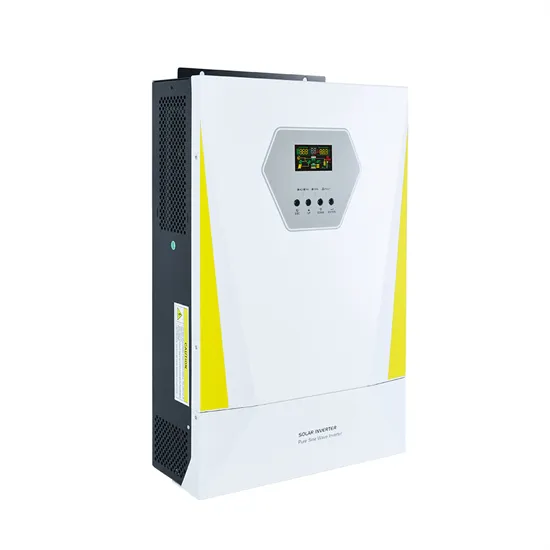
Austrian solar container battery manufacturing plant
As part of our "local to local" strategy, our goal as Austria's technologically leading battery manufacturer is to open additional VOLTFACTORY ® locations worldwide. With an area of more than 3,900 square meters, the VOLTFACTORY ® is the Miba Group's battery pilot and. . The storage facility featuring six Megapack 2XL systems from Tesla was built over a seven-month period in the vicinity of a wood gas generator and a solar farm. The project has a power output of 12 MW and storage capacity of 24 MWh. Slovenian company NGEN has switched on what it claims to be. . In Austria's Salzburg region, a specialized assembly factory is driving innovation in energy storage solutions, catering to industries like renewable energy, transportation, and smart grid management. The goal is to. . Banner has undergone a long journey of over 80 years as one of the top 10 battery manufacturers in Austria.
[PDF Version]
-
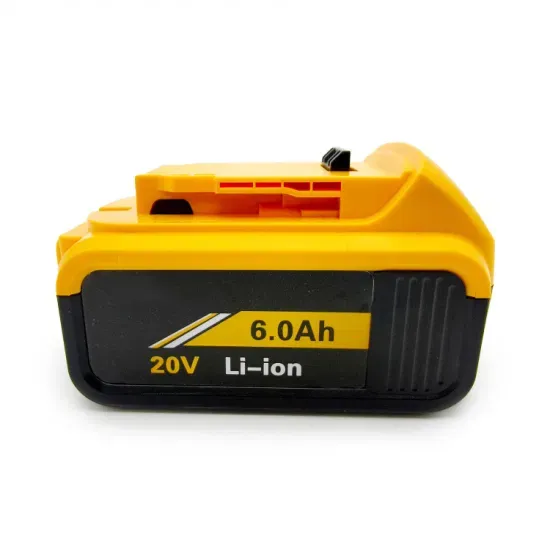
Solar container lithium battery Energy Storage 2025
In this work we describe the development of cost and performance projections for utility-scale lithium-ion battery systems, with a focus on 4-hour duration systems. The projections are developed from an analysis of recent publications that include utility-scale storage costs. The suite of. . Battery Storage Costs Have Reached Economic Viability Across All Market Segments: With lithium-ion battery pack prices falling to a record low of $115 per kWh in 2024—an 82% decline over the past decade—energy storage has crossed the threshold of economic competitiveness. Utility-scale systems now. . According to China Report Hall's *2025-2030 China Energy Storage Industry Market Analysis and Prospect Forecast Report*, the past two years have seen structural cost declines in battery production. Phosphate iron lithium battery prices per watt-hour have decreased by approximately 45% since early. . According to data made available by Wood Mackenzie's Q1 2025 Energy Storage Report, the following is the range of price for PV energy storage containers in the market: Battery Type: LFP (Lithium Iron Phosphate) batteries are expected to cost 30% less than NMC (Nickel Manganese Cobalt) batteries by. . Developers and power plant owners plan to significantly increase utility-scale battery storage capacity in the United States over the next three years, reaching 30. 0 gigawatts (GW) by the end of 2025, based on our.
[PDF Version]
-
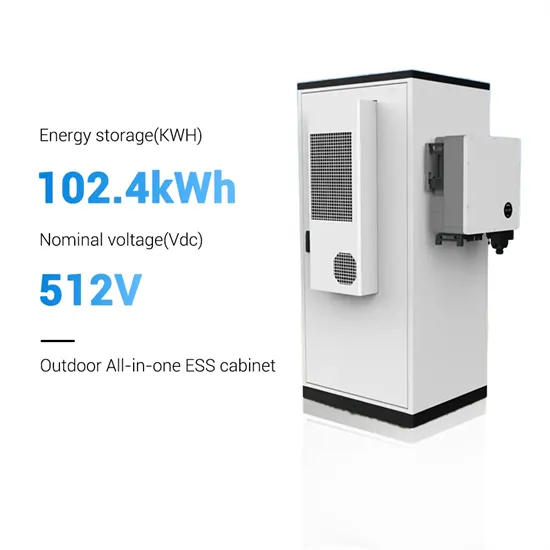
Plant solar panel power generation project
In this guide, we'll walk through the essentials of solar design, highlight the tools and techniques used by professionals, and show how Wattmonk helps transform design knowledge into executable, approval-ready plans. A solar power plant project can only be as strong. . In our latest Short-Term Energy Outlook (STEO), we expect U. electricity generation will grow by 1. 6% in 2027, when it reaches an annual total of 4,423 BkWh. The three main dispatchable sources of electricity generation (natural gas, coal, and nuclear) accounted for 75% of. . Global solar capacity is set to surpass 7 TW of new installations by 2030, making it one of the fastest-growing energy sectors worldwide. These plants use solar panels or other solar technologies to convert sunlight into electrical energy, which can then be fed into the grid or used on-site. Designing a solar plant, however, involves a meticulous process with many technical, economic, and environmental considerations.
[PDF Version]
-
Solar rooftops in 2025
This article delves into the top 5 innovations driving this solar revolution, examining their potential to reshape our homes and contribute to a cleaner, more sustainable world. . China continued to dominate the global market, representing ~60% of 2024 installs, up 52% y/y. At the end of 2024, global CSP capacity reached. . The humble rooftop, long a passive shield against the elements, is undergoing a radical transformation. No longer just a passive barrier, it's evolving into an active energy generator, thanks to groundbreaking advancements in solar roof technology. From sleek, integrated solar tiles mimicking. .
[PDF Version]
-
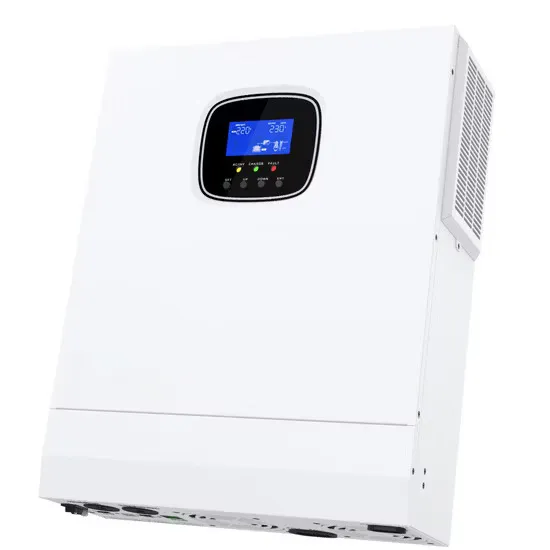
The proportion of solar panel costs in solar projects
Equipment Cost: The cost of equipment, such as solar panels, inverters, mounting, and racking, equates to approximately 75% of the total project cost. . NLR analyzes the total costs associated with installing photovoltaic (PV) systems for residential rooftop, commercial rooftop, and utility-scale ground-mount systems. This work has grown to include cost models for solar-plus-storage systems. NLR's PV cost benchmarking work uses a bottom-up. . Each year, the U. Department of Energy (DOE) Solar Energy Technologies Office (SETO) and its national laboratory partners analyze cost data for U. The focus is on ground-mounted systems larger than 5M AC, including photovoltaic (PV) standalone and PV+battery hybrid projects (smaller projects are covered in Berkeley Lab's. . How much does it cost to install and manage solar panels? According to studies by the U. Using these numbers. . While the upfront costs of solar panels have dropped by over 70% in the past decade, a comprehensive lifecycle analysis includes several key components: initial purchase and installation ($15,000-$25,000 for an average home system), ongoing maintenance (roughly $300-500 annually), inverter. . Here's an exciting number: The cost of residential solar panel systems dropped a remarkable 64 percent from 2010-2020, according to the National Renewable Energy Laboratory (NREL). A solar panel system is comprised of many pieces.
[PDF Version]
-
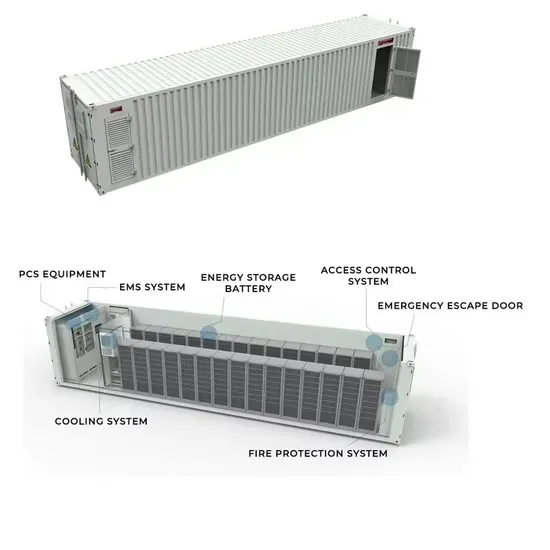
The most cost-effective solar cabinet system in 2025
Homeowners aiming to lower electric bills get the most value from grid-tied systems—they're the most cost-effective. But for those who want more independence from the grid, hybrid or off-grid setups provide more control, though they cost more to install upfront. . Solar keeps getting cheaper in 2025, but the distance between a simple setup and a fully independent system is still big: The numbers above represent full system packages, including hardware, permits, installation, and basic monitoring. The Residential Clean Energy Credit equals 30% of the costs of. . In 2025, solar panels are more efficient and affordable than ever for U. homeowners and small businesses. With the federal tax credit and state incentives, many systems pay for themselves in 7–12 years and provide decades of low‑carbon electricity. From smart grid participation to blackout resilience, today's storage solutions offer more than just backup power—they empower energy independence. . This is one of the most important hardware choices you'll make. Panels are wired together in a series (a "string"), and all the power is fed into a single, centralized inverter.
[PDF Version]
 MENU