
-
How much does Andorra s smart energy storage battery cost
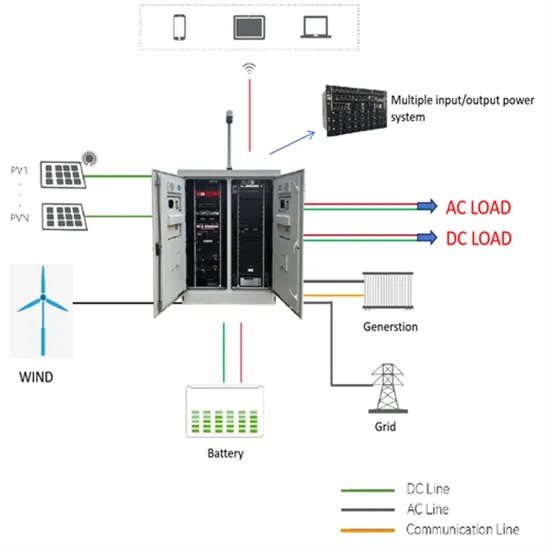
How much does a Bess system cost? As of most recent estimates, the cost of a BESS by MW is between $200,000 and $450,000, varying by location, system size, and market conditions. This translates to around $200 - $450 per kWh, though in some markets, prices have dropped as low as $150. . In the European market, lithium-ion batteries currently range from €200 to €300 per kilowatt-hour (kWh), with prices continuing to decrease as manufacturing scales up and technology improves. Learn how large-scale storage projects are priced and what this means for renewable energy integration. Breaking Down the A Summary: This. . With the increasing adoption of renewable energy systems and grid independence initiatives, the residential energy storage market in Andorra is growing as homeowners invest in battery storage solutions for storing excess energy from solar panels or wind turbines. The 1,725 MW renewables complex would include a 1,585 MW solar park which would become Europe's largest.
[PDF Version]
-
Energy storage system does not include battery cost
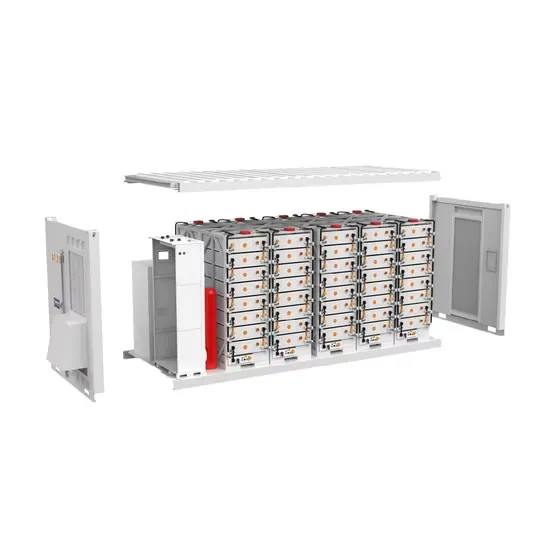
This includes the cost to charge the storage system as well as augmentation and replacement of the storage block and power equipment. Cole, Wesley and Akash Karmakar. Cost Projections for Utility-Scale Battery Storage: 2023 Update. . The 2022 Cost and Performance Assessment includes five additional features comprising of additional technologies & durations, changes to methodology such as battery replacement & inclusion of decommissioning costs, and updating key performance metrics such as cycle & calendar life. The full life cycle cost of an energy storage power station can be divided into installation cost and operating cost. The installation cost mainly. . Battery Storage Costs Have Reached Economic Viability Across All Market Segments: With lithium-ion battery pack prices falling to a record low of $115 per kWh in 2024—an 82% decline over the past decade—energy storage has crossed the threshold of economic competitiveness. Utility-scale systems now. . Ember provides the latest capex and Levelised Cost of Storage (LCOS) for large, long-duration utility-scale Battery Energy Storage Systems (BESS) across global markets outside China and the US, based on recent auction results and expert interviews.
[PDF Version]
-
San Marino lithium battery energy storage
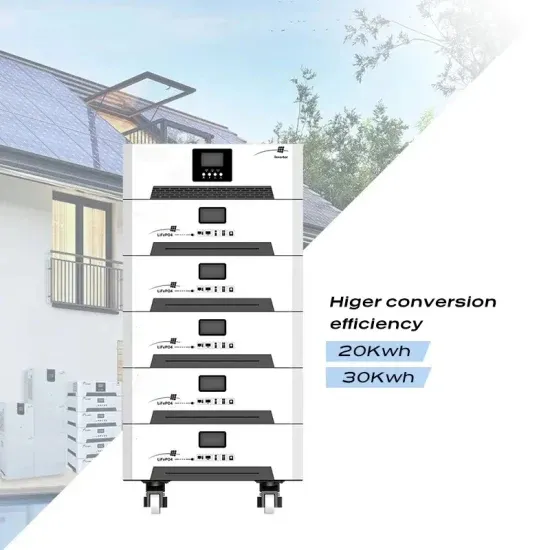
San Marino, Europe"s third-smallest country, is making big moves in sustainable energy. Nestled like a emerald in Italy's shoe, this microstate is showing macro-ambitions in energy innovation. With 34,000 citizens and more tourists than residents during peak seasons, San. . Recent data highlights San Marino's push toward energy independence: "Energy storage isn't just about saving power – it's about securing San Marino's future. " – Renewable Energy Analyst Modern solar energy storage relies on three pillars: Lithium-ion Batteries: Lightweight and efficient, these. . For large containerized systems (e., 100 kWh or more), the cost can drop to $180 - $300 per kWh. This report offers comprehensive insights, helping businesses understand market dynamics and make informed. . e City of San Juan Capistrano, California.
[PDF Version]
-
How long is the service life of energy storage battery containers
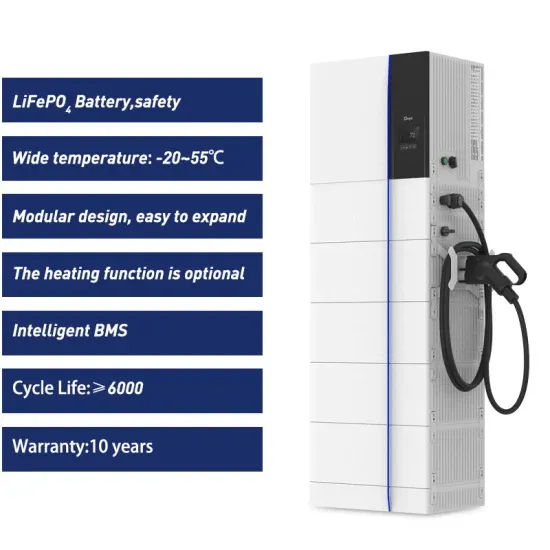
When it comes to the longevity of battery storage systems, you can generally expect them to last between 10 and 12 years. That said, some premium models can keep going for up to 15 years or even longer with the right care and maintenance. Real-world operations, however, tell a different story. Below are the expected lifespans of some common battery types: Lithium-ion. . What is the service life of energy storage hours or more of energyand dispatchi ricity over time for a duration greater than 8 hours. ( nal requirements for packaging,labeling,and handling. The average distance between existing BESS projec s. . Energy storage lifespan depends on tech, use, & environment, varying from 3-50+ years, impacting sustainability & cost.
[PDF Version]
-
Libya lithium iron phosphate energy storage solar container lithium battery
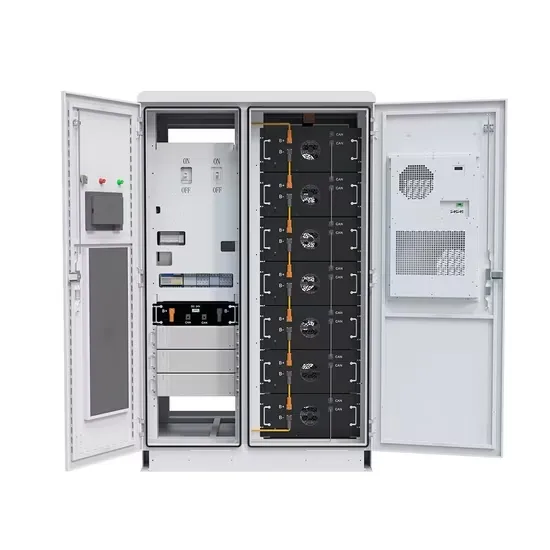
This product is designed as the movable container, with its own energy storage system, compatible with photovoltaic and utility power, widely applicable to temporary power use, island application, emergency power supply, power preservation and backup. The answer lies in. . 1000kW / 2150kWh Containerized Energy Storage System is an end-to-end integrated high-capacity commercial, industrial, and utility market solution. The answer lies in upfront costs. Schematic of sustainable energy productio with 8 h of lithium-ion battery (LIB) storage. In the global energy policy, electric vehicles (EVs) play an import production of. . You know, Libya's got more sunshine than most countries—over 3,500 hours annually [1]—but here's the kicker: less than 3% of its energy mix comes from solar. That's where the Libya Energy. . In 2023, IEA reports that the global EV battery demand surpassed 750 GWh, marking a 40% increase from 2022, with EVs contributing to 95% of this growth. The US and Europe witnessed the fastest growth rates among major EV markets, followed closely by China. We're talking about: Fun fact: The latest containers can store enough energy to power 500 homes for 24 hours. That's like bottling a small thunderstorm! Remember that village near Sabha that went viral last Ramadan? They're now. .
[PDF Version]
-
Algeria Solar Energy Storage Unit 80kWh
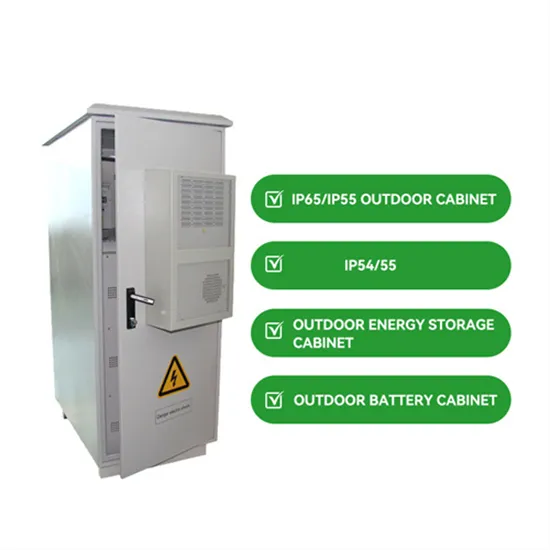
Find Your Solar + Battery Storage Specialist Now! Highjoule offers a diverse range of energy storage solutions, covering commercial and industrial applications, base station power generation, home energy storage, and off-grid and grid-connected microgrids. Key products include battery energy storage systems, photovoltaic panels, energy storage. . With Algeria aiming to achieve 27% renewable energy generation by 2035, energy storage containers have become critical for stabilizing solar and wind power integration. Energy storage systems help: 1. With 3,000+ annual sunshine hours and ambitious. .
[PDF Version]
 MENU