
-
How much voltage is the solar panel connected to the grid
A single solar cell has a voltage of about 0. This is your typical voltage we put on solar panels; ranging from 12V, 20V, 24V, and 32V solar panels. There are two basic approaches to connecting a grid-tied solar panel system, as shown in. . The voltage level associated with solar energy systems primarily depends on the configuration of the solar setup, the type of inverter employed, and the specifications of the grid to which it connects. Typically, solar panels generate direct current (DC) voltage, which is usually around 30 to 40. . A grid-tied solar system connects your solar panels directly to your local utility's electrical grid through specialized inverters.
[PDF Version]
-
The most cost-effective solar cabinet system in 2025
Homeowners aiming to lower electric bills get the most value from grid-tied systems—they're the most cost-effective. But for those who want more independence from the grid, hybrid or off-grid setups provide more control, though they cost more to install upfront. . Solar keeps getting cheaper in 2025, but the distance between a simple setup and a fully independent system is still big: The numbers above represent full system packages, including hardware, permits, installation, and basic monitoring. The Residential Clean Energy Credit equals 30% of the costs of. . In 2025, solar panels are more efficient and affordable than ever for U. homeowners and small businesses. With the federal tax credit and state incentives, many systems pay for themselves in 7–12 years and provide decades of low‑carbon electricity. From smart grid participation to blackout resilience, today's storage solutions offer more than just backup power—they empower energy independence. . This is one of the most important hardware choices you'll make. Panels are wired together in a series (a "string"), and all the power is fed into a single, centralized inverter.
[PDF Version]
-
Cyprus Solar Panels 2025
Solar remains by far the most widespread renewable energy technology in Cyprus, with around 957 MW of installed capacity by the end of 2025, he said. The continued addition of new solar capacity comes despite Cyprus curtailing a record 47% of solar power generation last year. Self-consumption projects drove most of the solar installations added in Cyprus last year, a trend that industry. . The solar energy sector in Cyprus demonstrated remarkable resilience and growth in 2025, adding approximately 122 MW of new capacity. It covers an area of about 9,250 sq. km and lies in a strategic location at the crossroads of three continents: Europe, Asia, and Africa.
[PDF Version]
-
Battery solar energy storage cabinet system for solar telecom integrated cabinets in 2025
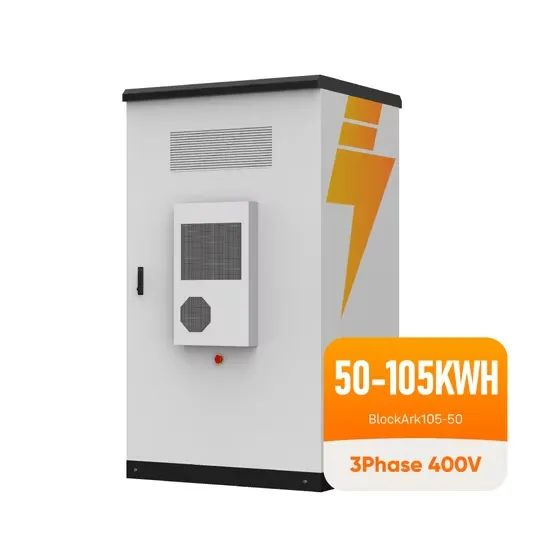
Featuring lithium-ion batteries, integrated thermal management, and smart BMS technology, these cabinets are perfect for grid-tied, off-grid, and microgrid applications. Explore reliable, and IEC-compliant energy storage systems designed for renewable integration, peak shaving, and backup power. Continuous power availability ensures network uptime and service quality in remote locations, even during grid failures or low sunlight. By integrating solar modules. . The Solar Power and Battery Cabinet is an all-in-one outdoor energy solution that combines solar charging, energy storage, and power distribution in a weatherproof enclosure. Designed for remote locations, it integrates solar controllers, inverters, and lithium battery packs to ensure stable and. . Enter the PV storage cabinet: a fully integrated enclosure that brings together lithium battery packs, hybrid inverters, energy management protocols, and safety systems into one scalable solution. As a professional manufacturer in China, produces both. .
[PDF Version]
-
What are the solar container energy storage systems in Malawi s power grid
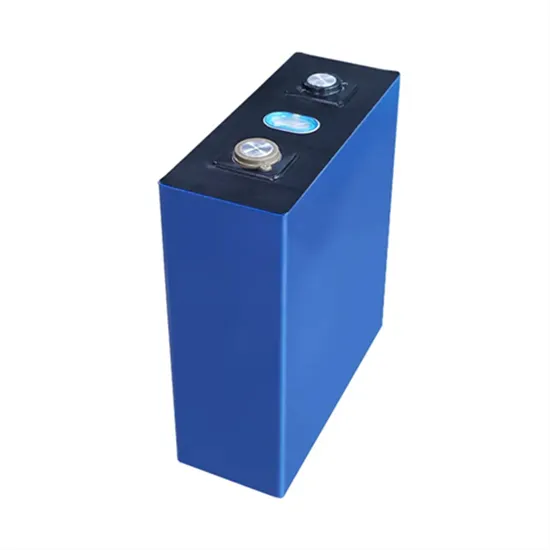
Major projects now deploy clusters of 20+ containers creating storage farms with 100+MWh capacity at costs below $280/kWh. . Malawi is one of the most energy-poor countries on the planet, with less than 20 percent of the population having access to a reliable source of electricity, and access remaining below 10 percent in rural areas. Because much of the country's existing capacity comes from hydropower, persistent. . The Government of Malawi has sought technical assistance in order to accelerate its energy transition and in particular to facilitate the government's procurement of renewable electricity projects. Given the small size of Malawi's grid, relatively high system losses, and its relatively modest. . This article explores how cutting-edge battery technology and smart grid integration are reshaping energy reliability across residential, industrial, and commercial As Malawi accelerates its renewable energy adoption, the Lilongwe Energy Storage System Construction project emerges as a. . The state of the art power plant is the first utility-scale grid-connected hybrid solar and battery energy storage project in Malawi and the largest in Sub-Saharan Africa. It comprises 52,000 bi-facial solar panels and. Malawi was bringing more solar power onto the grid but. . awi's national grid.
[PDF Version]
-
How many watts of solar energy are needed for a home in Austria
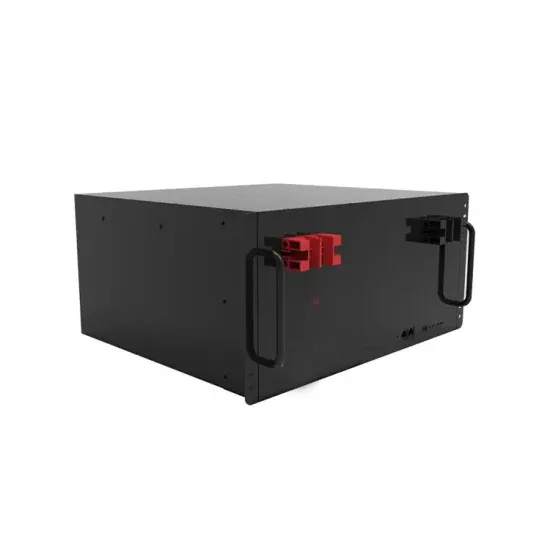
Below is the average daily output per kW of Solar PV installed for each season, along with the ideal solar panel tilt angles calculated for various locations in Austria. Click on any location for more detailed information. Explore the solar photovoltaic (PV) potential across 123 locations in. . Solar power in Austria contributes 8. [1] In addition to supporting PV installations through permitting simplification and cash grants, the Austrian. . When asking, "How many watts of solar energy is needed for a home?" the answer depends on your household's energy habits, location, and system type.
[PDF Version]
 MENU