
-
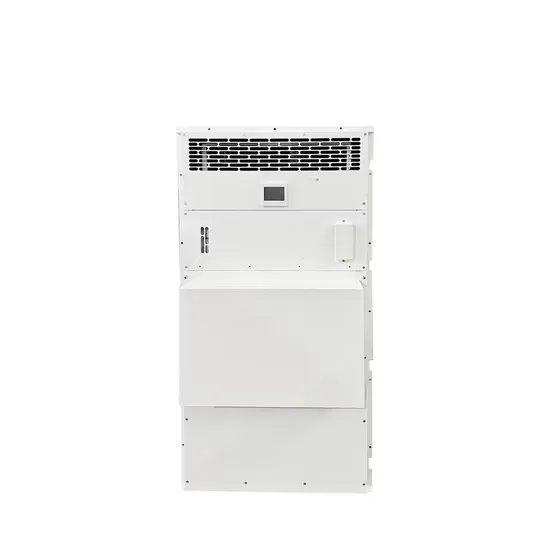
Typical example of solar communication base station inverter grid connection
A solar inverter synchronizes with the grid by matching the frequency, voltage, and phase of grid-associated electrical waveforms. It does this through a complex process of real-time adjustments, mapping the grid waveform, and timing the outputs to coincide perfectly with the grid. Once synchronization is achieved, the inverter closes its output. . An inverter is one of the most important pieces of equipment in a solar energy system. It's a device that converts direct current (DC) electricity, which is what a solar panel generates, to alternating current (AC) electricity, which the electrical grid uses. How to. . That's where the solar inverter steps in. While maximizing power transfer remains a top priority, utility grid stability is now widely acknowledged to benefit from several auxiliary. . Micro inverters can be connected to the wireless router through the built-in Wi-Fi module, string inverters and energy storage inverters can be connected to the wireless router through the external Wi-Fi data collector, the Wi-Fi module or data collector will transmit the data of the inverter. .
[PDF Version]
-
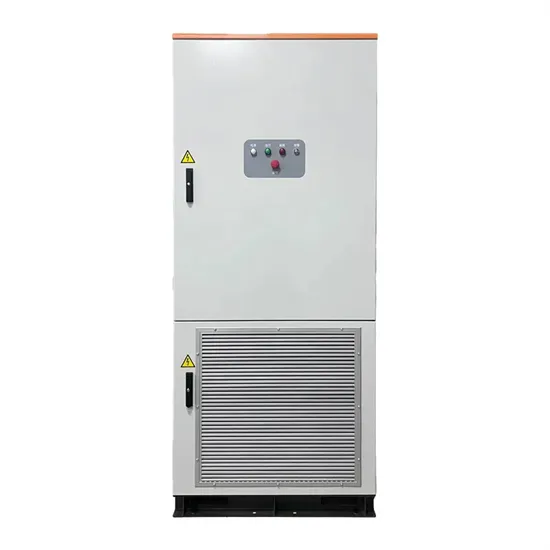
How far can the communication base station inverter be connected to the grid
In most applications, powerline communication (PLC) can work reliably for distances of up to 250 feet. . Thus, unlike the off-grid systems, you will connect the inverter directly to the grid. However, if the PV system and the IQ Gateway/Envoy are isolated from the site load, the What is a vehicle mounted base station? Simply put, a vehicle mounted base station is the installation of. . How do solar inverters connect to the grid? Solar inverters connect to the grid through a process known as grid synchronization, which involves aligning the inverter's output voltage, frequency, and phase with the grid's parameters. Once synchronization is achieved, the inverter closes its output. . Grid-connected inverter control techniques Although the main function of the grid-connected inverter (GCI) in a PV system is to ensure an efficient DC-AC energy conversion, it must also allow other functions useful to limit the effects of the unpredictable and stochastic nature of the PV source.
[PDF Version]
-
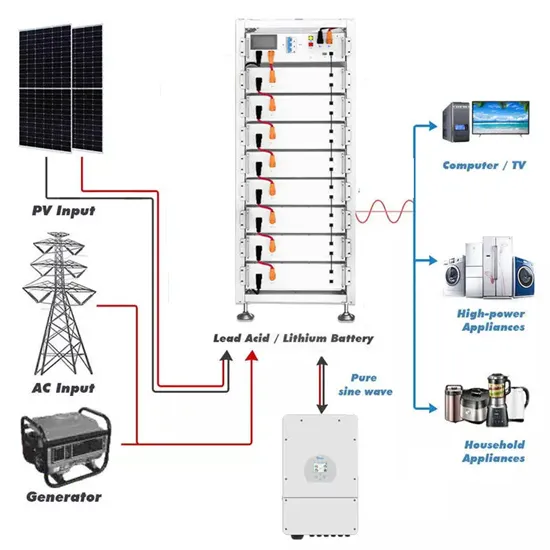
Inverter photovoltaic panel CQC test report
This report is available at no cost from the National Renewable Energy Laboratory (NREL) at www. DE-AC36-08GO28308 Technical Report NREL/TP-5D00- 74462 October 2019 Photovoltaic Inverter Reliability Assessment Adarsh Nagarajan, Ramanathan Thiagarajan, Ingrid. . ch saves time and human resources. Firstly, this paper analyzes the specific requirements for HVRT and LV onnecte er Solar Inverter for a PV Plant. In order to couple a solar inverter with a PV plant, it"s important to check that a few parameters match among them. Once the photovoltaic string is. . I/we, the responsible person(s) for the design, construction, inspection and testing of the electrical system (as specified by the signature(s)), details of which are described above, have inspected and tested the design and structure with suitable skill and care and confirm that the said words. . Not only is TÜV Rheinland accredited by CBTL, CNAS, NRTL, DAkkS, TAF, CGC and more, but we provide first-class solar energy assessment with the strongest testing capabilities and greatest capacity in mainland China, Taiwan, Germany, the US, Japan, Italy and India. Locally, our advanced automatic. . This test report consists of 8 pages in total. It may be duplicated completely for legal use with the approval of the applicant. IEC 61215-1-1:2016 / EN 61215-1-1:2016 Terrestrial photovoltaic (PV) modules – Design qualification and type approval – Special requirements for testing of crystalline silicon. .
[PDF Version]
-
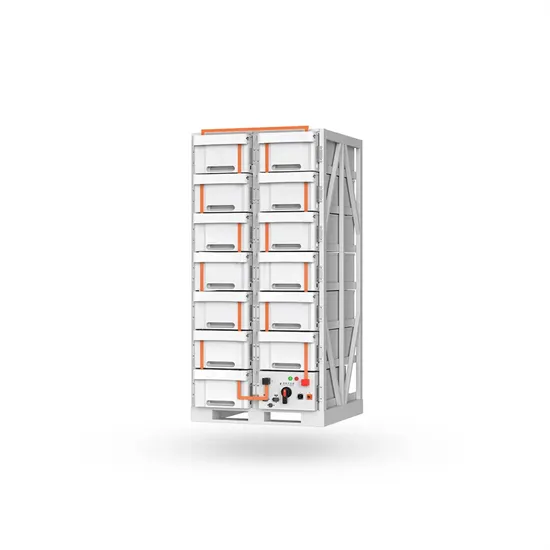
Off-solar container grid inverter rated capacity
Power capacity: Add up the wattage of everything you want to run and factor in a 20–30% buffer. Battery compatibility: Make sure your inverter works with your battery bank (e. . Off-grid living and clinics: Even homes and clinics have been built from shipping containers. Case studies show a 40-foot container home powered entirely by solar and batteries – enough to run all appliances including heating and cooling. Temporary or tactical projects: Military field camps, film. . An Off Grid solar Container unit can be used in a host of applications including agriculture, mining, tourism, remote islands, widespread lighting, telecoms and rural medical centres. Systems are fitted in new. . This ambitious endeavor transforms a standard 20-foot shipping container into a high-capacity, modular, and off-grid power system capable of supporting diverse energy needs.
[PDF Version]
-
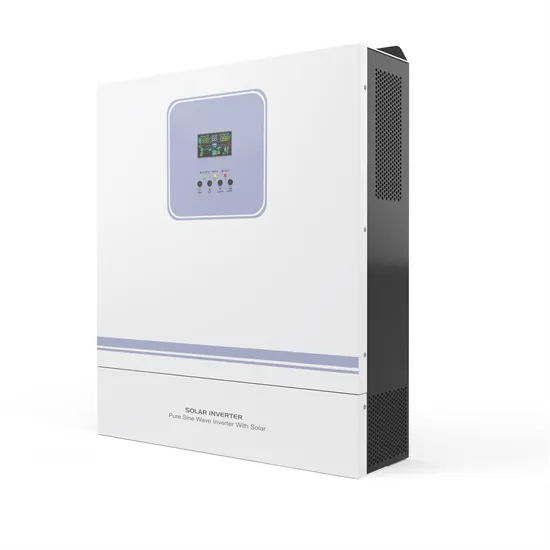
Domestic solar inverter overseas market
Summary: The global photovoltaic inverter market is experiencing explosive growth, driven by renewable energy adoption and policy reforms. Utility-scale solar inverter cost was $0. 18 per watt in 2023 (down from $0. 2% market share, while single phase will lead the application segment with a 58. 8 billion by 2030, according to forecasts made. . This growth is fueled by accelerating global solar PV installations, which reached 230 GW in 2022 and are expected to exceed 330 GW annually by 2025.
[PDF Version]
-
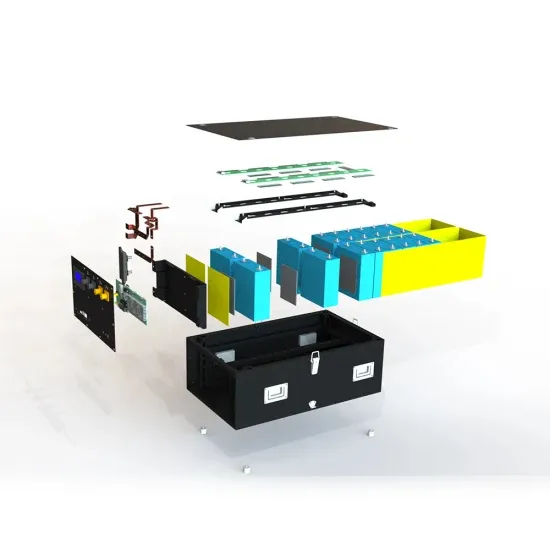
Solar telecom integrated cabinet inverter grid connection query what does ci mean
Grid synchronization refers to the process of matching the solar inverter's AC output to the electrical characteristics of the utility grid. The key parameters that need to be synchronized are voltage, frequency, and phase. Modern battery systems improve safety and work. . MPPT+solar modules deliver stable, efficient, and cost-effective power for telecom cabinets facing grid fluctuation or remote supply challenges. Operational costs drop by nearly 50% when switching from diesel generators. When an inverter shuts down abnormally, it is usually accompanied by an. . An inverter is one of the most important pieces of equipment in a solar energy system. As Architects of ContinuityTM, Vertiv solves the most important challenges facing today's data centers, communication networks and commercial and industrial facilities with a portfolio of power, cooling and IT infrastructure solutions and services that extends from the. . What is a grid-connected inverter? In the grid-connected inverter, the associated well-known variations can be classified in the unknown changing loads, distribution network uncertainties, and variations on the demanded reactive and active powers of the connected grid.
[PDF Version]
 MENU