
-
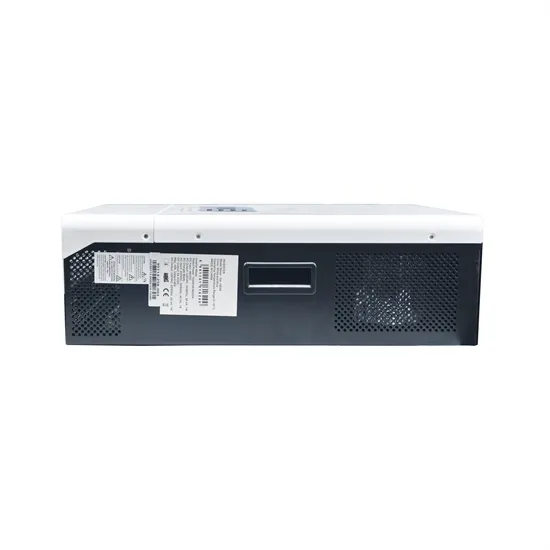
Energy storage cabinet bidirectional charging solar energy storage vs power grid
The secret sauce isn't just sunshine—it's the energy storage cabinet tucked in their garage. Let's crack open these technological marvels and see which. . By integrating modern battery systems and sophisticated Bidirectional power supplies, homeowners can store excess solar energy for later use, reducing dependence on the grid and enhancing energy independence. Besides that, in certain countries trading with the stored energy offers another. . Superior Backup Power Economics: Bidirectional EV systems provide 3-7 days of home backup power at $5,000-$12,000 total cost, significantly undercutting traditional generators ($8,000-$15,000) and dedicated battery systems ($15,000-$25,000) while serving dual transportation and energy storage. . Lithium-ion batteries have emerged as the current dominant technology, offering improved energy densities, cycle life, and reliability. Meanwhile, lower-cost alternatives to lithium, such as sodium-sulphur, are also being developed.
[PDF Version]
-
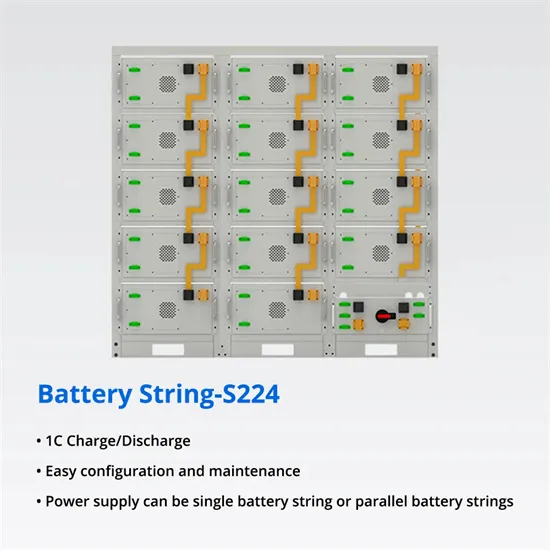
Home solar energy storage grid connection
This guide covers 5 connection methods, real-world applications, and emerging trends in utility-scale storage projects. . Connecting solar panels to the electrical grid is one of the most effective ways to maximize your solar investment while maintaining reliable power. Grid-tied solar systems allow you to use solar energy during the day, sell excess power back to the utility through net metering, and draw from the. . A home battery system that connects to the grid can do more than store power—it gives you financial and energy flexibility. In this guide, we'll explore how grid-tied systems function, their environmental and financial benefits, ideal scenarios for installation, design. . One of the biggest decisions solar shoppers have to make is whether to install a standard grid-tied solar energy system, a solar battery backup, or a hybrid solar system.
[PDF Version]
-
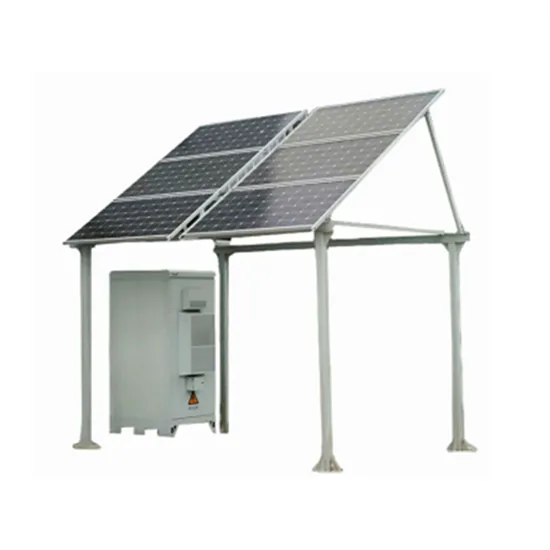
Solar cell power generation is connected to the grid
A grid-connected photovoltaic (PV) system, also known as a grid-tied or on-grid solar system, is a renewable energy system that generates electricity using solar panels. The generated electricity is used to power homes and businesses, and any excess energy can be fed back into the. . Solar systems integration involves developing technologies and tools that allow solar energy onto the electricity grid, while maintaining grid reliability, security, and efficiency. For most of the past 100 years, electrical grids involved large-scale, centralized energy generation located far from. . In today's electricity generation system, diferent resources make diferent contributions to the electricity grid. While solar panels generate DC electricity, the grid operates using AC (alternating current) electricity.
[PDF Version]
-
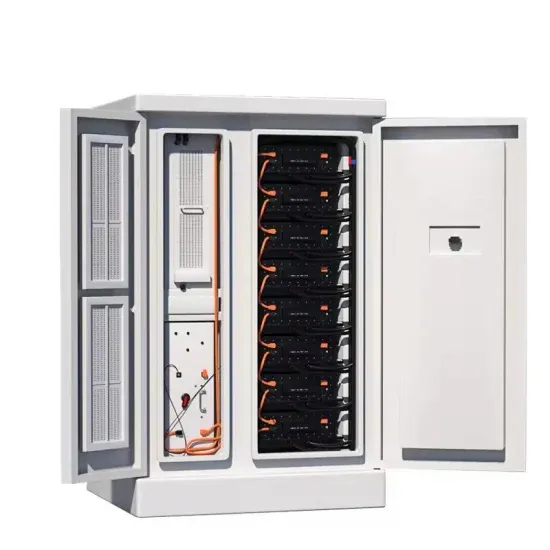
High quality on solar container grid inverter in Bangkok
In this blog, we highlight the top 8 inverter manufacturers in Thailand known for quality, innovation, and customer support. With over 25 years of experience and a robust network, they ensure optimal efficiency for solar plants, making them a valuable. . NEXSOLAR is a professional distributor of Tier 1 solar panels and inverters in Thailand, and a provider of integrated solar-plus-storage solutions. We specialize in design and engineering, have a strong track record of successful projects, and provide long warranties for both work and components. Our solutions are cost-effective and. . This article delves into Thailand's burgeoning solar inverter landscape, highlighting its supply chain hubs and shining a spotlight on the top manufacturers who are steering the country towards a sustainable future. The system integrates a 30KWH Powerwall lithium battery, an 8KVA on-off grid hybrid inverter, and high-efficiency GSL PV. .
[PDF Version]
-
How much does a rooftop solar panel cost in Niger
Current market: For a 5 kWh system, panels typically require 10–15 panels at 300–400W each. Using current panel prices (₦120,000–₦250,000 per panel for mid-large sizes), this aligns with your range, but can sometimes be slightly lower if panel prices drop or higher for premium. . Solar panel prices have shifted slightly upward for mid-size panels, while large panels can be found at a slightly lower entry point if you shop around. Always check brand, warranty, and efficiency when comparing prices. What makes solar panels expensive—or cheap? Wattage and efficiency: The more. . A combination of a solar panel with a power wall inverter and a controller can cost as much as ₦725,000 depending on the number of batteries. For instance, a 5KVA Inverter with four 200AH Batteries and eight 250W Solar Panels costs ₦1,800,000. . In 2025, the average household in Lagos spends between ₦60,000 and ₦120,000 monthly on petrol or diesel for generators. This is why more Nigerians are asking: “How much does it cost to install solar panels in Nigeria today?” This updated guide answers that question comprehensively. Below is a general price range for Nigeria in 2025: Pro Tip: Always compare total system cost, not just panel prices.
[PDF Version]
-
Solar telecom integrated cabinet inverter grid connection query what does ci mean
Grid synchronization refers to the process of matching the solar inverter's AC output to the electrical characteristics of the utility grid. The key parameters that need to be synchronized are voltage, frequency, and phase. Modern battery systems improve safety and work. . MPPT+solar modules deliver stable, efficient, and cost-effective power for telecom cabinets facing grid fluctuation or remote supply challenges. Operational costs drop by nearly 50% when switching from diesel generators. When an inverter shuts down abnormally, it is usually accompanied by an. . An inverter is one of the most important pieces of equipment in a solar energy system. As Architects of ContinuityTM, Vertiv solves the most important challenges facing today's data centers, communication networks and commercial and industrial facilities with a portfolio of power, cooling and IT infrastructure solutions and services that extends from the. . What is a grid-connected inverter? In the grid-connected inverter, the associated well-known variations can be classified in the unknown changing loads, distribution network uncertainties, and variations on the demanded reactive and active powers of the connected grid.
[PDF Version]
 MENU