
-
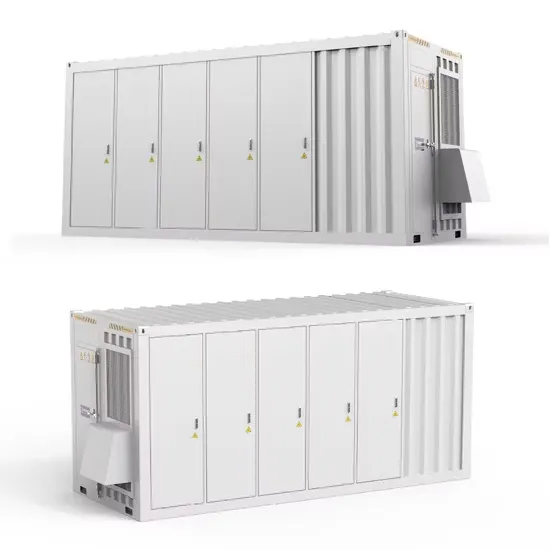
Cost of the computer room for the battery energy storage system of the communication base station
We mainly consider the demand transfer and sleep mechanism of the base station and establish a two-stage stochastic programming model to minimize battery configuration costs and operational costs. . The battery storage technologies do not calculate levelized cost of energy (LCOE) or levelized cost of storage (LCOS) and so do not use financial assumptions. The 2024 ATB. . This work studies the optimization of battery resource configurations to cope with the duration uncertainty of base station interruption. This helps reduce power consumption and optimize costs. The power generated by solar energy is used by the DC load of the base station computer room, and the insufficient power is supplemented by energy storage. . Why do 5G base stations need backup batteries? As the number of 5G base stations, and their power consumption increase significantly compared with that of 4G base stations, the demand As the number of 5G base stations, and their power consumption increase significantly compared with that of 4G base. . The communication base station installs solar panels outdoors, and adds MPPT solar controllers and other equipment in the computer room.
[PDF Version]
-
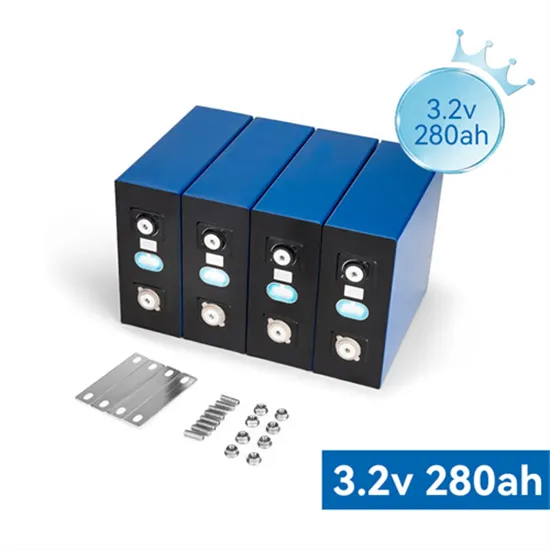
Lithium battery power supply for container communication base station
This guide outlines the design considerations for a 48V 100Ah LiFePO4 battery pack, highlighting its technical advantages, key design elements, and applications in telecom base stations. Communication industry base stations are huge in number and widely distributed, the requirements for the selected backup energy. . ECE 51. The telecom backup batteries pack with smart battery management system can match the 19 - or 21-inch standard cabinet or rack.
[PDF Version]
-
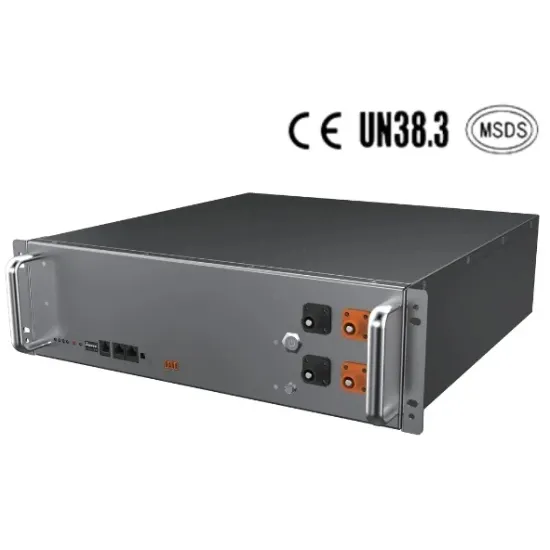
How much is the battery current limit for a communication base station
PACE communication base station solution covers 50-200 ampere current, supports 5-20 ampere charging current limit, and supports up to 64 sets of batteries in parallel to meet diverse needs. Selection and maintenance of batteries for communication base. 1 Long Standby. . Compatibility and Installation Voltage Compatibility: 48Vis the standard voltage for telecom base stations,so the battery pack's output voltage must align with base station equipment requirements. Key Requirements: Capacity & Runtime: The battery should provide sufficient energy storage to cover potential power. . Abstract: Cellular base stations (BSs) are equipped with backup batteries to obtain the uninterruptible power supply (UPS) and maintain the power supply reliability. While maintaining the reliability,the backup batteries of 5G BSs have some spare capacity over time due to the traffic-sensitive. . When natural disasters cut off power grids, when extreme weather threatens power supply safety, our communication backup power system with intelligent charge/discharge management and military-grade protection becomes the "second lifeline" for base station equipment.
[PDF Version]
-
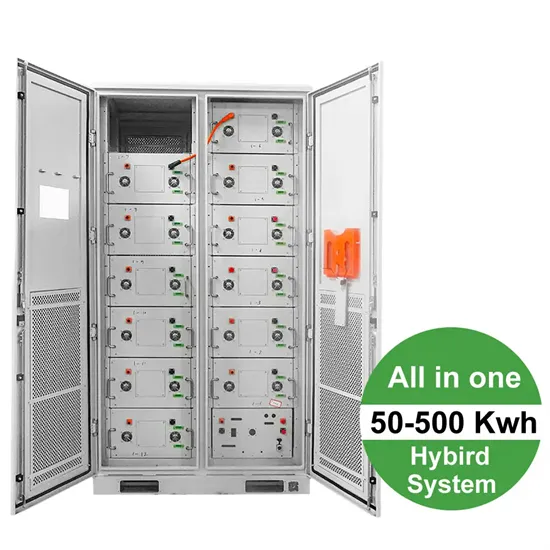
Somaliland communication base station battery price
Spot prices for LFP cells reached $97/kWh in 2023, a 13% year-on-year decline, while installation costs for base station battery systems fell below $400/kW for the first time. Cost reductions from battery manufacturing scale have been decisive. . Proven performance in the toughest conditions, combining durability, reliability, and safety, the ANR26650 cell offers an excellent combination of price-performance. [pdf] Find 2025 quality & cheap battery storage for sale. The batteries find applications in three major fields, including electric vehicles, portable electric devices, and large-scale power. . When natural disasters cut off power grids, when extreme weather threatens power supply safety, our communication backup power system with intelligent charge/discharge management and military-grade protection becomes the "second lifeline" for base station equipment. These batteries offer optimum energy storage while maintaining environment friendliness. . Communication Base Station Battery by Application (Integrated Base Station, Distributed Base Station), by Types (Lithium Ion Battery, Lithium Iron Phosphate Battery, NiMH Battery, Others), by North America (United States, Canada, Mexico), by South America (Brazil, Argentina, Rest of South America). .
[PDF Version]
-
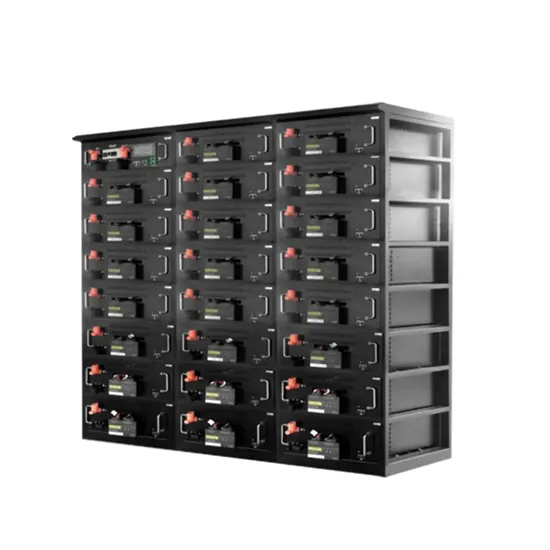
Communication base station backup lithium battery manufacturer
When natural disasters cut off power grids, when extreme weather threatens power supply safety, our communication backup power system with intelligent charge/discharge management and military-grade protection becomes the "second lifeline" for base station equipment. . If so, let's get to know the right LiFePO4 manufacturers? Grepow Battery is the right LiFePO4 battery manufacturer, who researches and makes LiFePO4 cells that are made from a proprietary battery raw material formula, high temperature resistance, high energy density. 3 and other international certifications. Equipped with advanced automated. . ONESUN (OneSun Power) is dedicated to delivering professional battery backup systems for the telecommunications industry, offering a rich and mature portfolio of energy-storage products and solutions showcased on its official website. 45V output meets RRU equipment. . ECE 51.
[PDF Version]
-
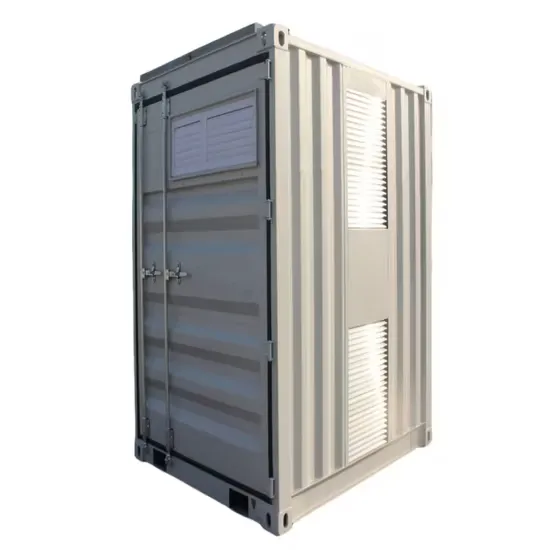
What is the maximum power of the battery energy storage system of the communication base station
Rated power capacity is the total possible instantaneous discharge capability (in kilowatts [kW] or megawatts [MW]) of the BESS, or the maximum rate of discharge that the BESS can achieve, starting from a fully charged state. . Battery storage is a technology that enables power system operators and utilities to store energy for later use. A battery energy storage system (BESS) is an electrochemical device that charges (or collects energy) from the grid or a power plant and then discharges that energy at a later time to. . Battery energy storage systems are generally designed to deliver their full rated power for durations ranging from 1 to 4 hours, with emerging technologies extending this to longer durations to meet evolving grid demands. Remote base stations often rely on independent power systems.
[PDF Version]
 MENU