
-
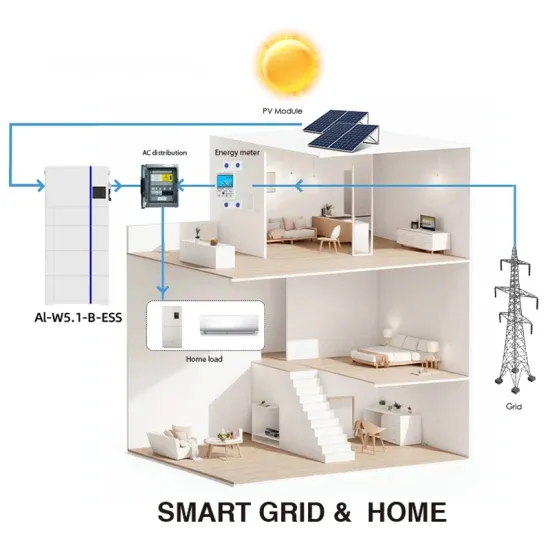
Lithium battery energy storage is just getting started
The domination of lithium-ion batteries in energy storage may soon be challenged by a group of novel technologies aimed at storing energy for very long hours. . Breakthroughs in battery technology are transforming the global energy landscape, fueling the transition to clean energy and reshaping industries from transportation to utilities. BloombergNEF's inaugural Long-Duration Energy Storage Cost Survey shows that while most of these technologies are still early stage and. . From utility-scale BESS and second-life EV batteries to non-flammable lithium systems and solid-state designs, these innovators are powering the grid of the future. 20 Frameworks, Startup Intelligence & More! Executive Summary: Which are the Top 10 Battery Storage Startups to Watch? Luxera Energy. .
[PDF Version]
-
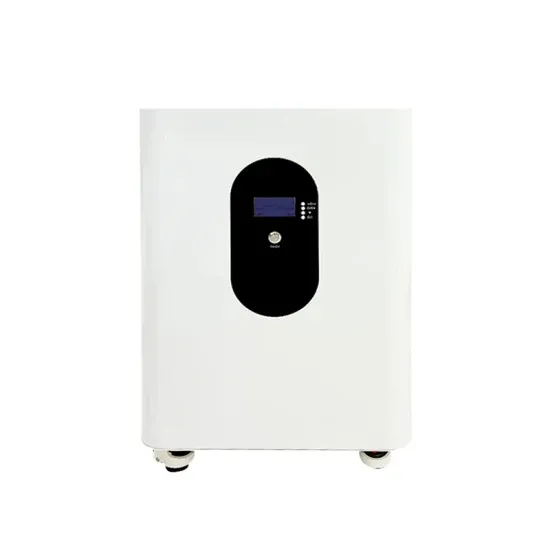
Mobile energy storage backup power for base stations
A telecom battery backup system is a comprehensive portfolio of energy storage batteries used as backup power for base stations to ensure a reliable and stable power supply. As we are entering the 5G era and the energy consumption of 5G base stations has been substantially increasing, this system. . This article clarifies what communication batteries truly mean in the context of telecom base stations, why these applications have unique requirements, and which battery technologies are suitable for reliable operations. This article will explore in detail how to secure backup power for telecom base stations, discussing the components involved, advanced technologies, best practices, and future trends to ensure continuous. . When natural disasters cut off power grids, when extreme weather threatens power supply safety, our communication backup power system with intelligent charge/discharge management and military-grade protection becomes the "second lifeline" for base station equipment.
[PDF Version]
-
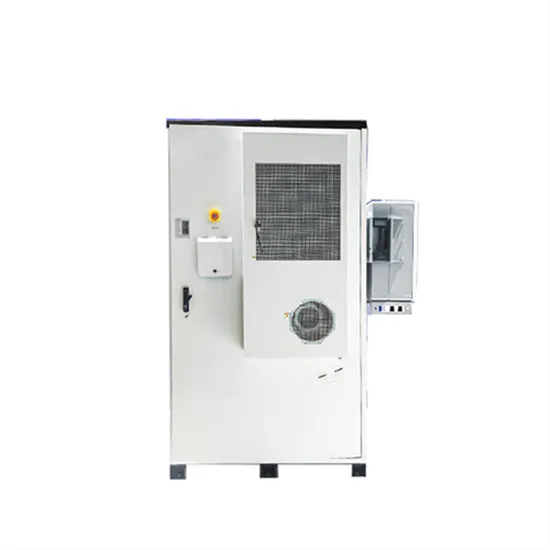
Energy storage for backup power nigeria
Summary: Abuja's first energy storage power station project marks a critical step in Nigeria's transition to sustainable energy. This article explores its technological innovations, market potential, and how it addresses Africa's growing energy demands. . They are building parallel energy systems—often designed to operate independently of public supply, yet intelligently integrated where needed. Given Nigeria's frequent grid instability, this system ensures a continuous power supply, reducing. . At Charge Ninja, we've designed and delivered integrated solar + storage solutions across the full spectrum of Nigeria's energy needs: 1.
[PDF Version]
-
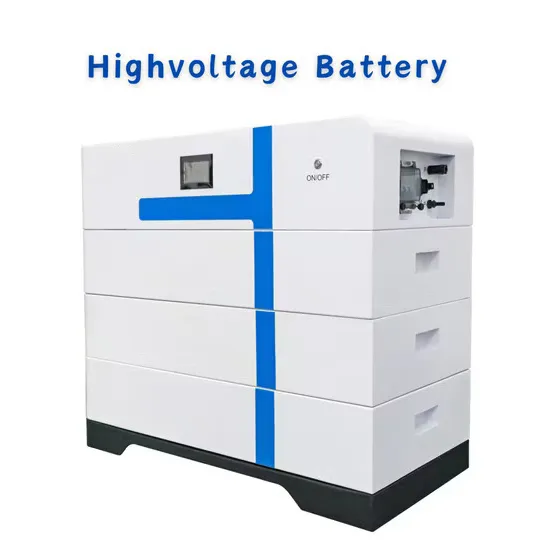
China backup inverter systems in Angola
The National Electricity Distribution Company (ENDE) and Chinese multinational HUAWEI signed a contract on Saturday in Shenzhen, China, to digitalize the electricity sector in Luanda and Icolo e Bengo, according to a statement from the Ministry of Energy and Water sent to Jornal de. . The National Electricity Distribution Company (ENDE) and Chinese multinational HUAWEI signed a contract on Saturday in Shenzhen, China, to digitalize the electricity sector in Luanda and Icolo e Bengo, according to a statement from the Ministry of Energy and Water sent to Jornal de. . Tanfon 3 phase inverter with IGBT material functions: 1. With AC reactor (Protect against city power current shock) 2. (The thyristor charging current is larger than charging board. . Think of inverters as the "heart" of any solar power system - they determine how efficiently sunlight becomes usable electricity. Inverter prices in Angola typically range from $400 to $2,500+ based on: Recent industry shifts show growing demand for AI-powered energy management features. Powered. . Looking for reliable inverter manufacturers in Luanda? This guide explores Angola's growing solar energy market, profiles key players, and reveals how businesses and households can benefit from modern power solutions. Why. . -to-power telecommunications.
[PDF Version]
-
Base station intelligent backup power system
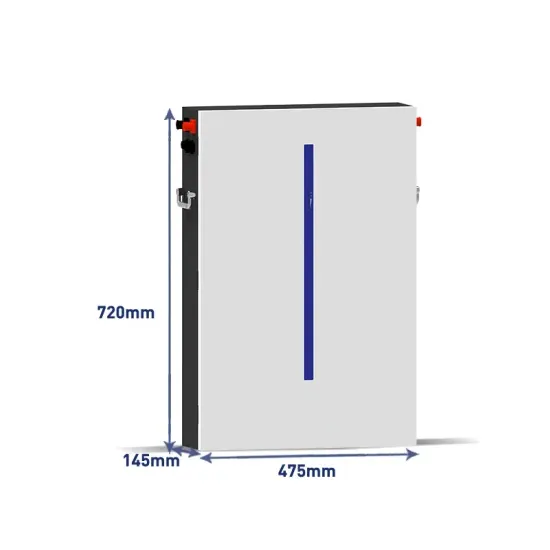
When natural disasters cut off power grids, when extreme weather threatens power supply safety, our communication backup power system with intelligent charge/discharge management and military-grade protection becomes the "second lifeline" for base station equipment. 45V output meets RRU equipment. . A telecom battery backup system is a comprehensive portfolio of energy storage batteries used as backup power for base stations to ensure a reliable and stable power supply. Let's explore, with ONESUN's product solutions, how these systems work - why they are needed, how they are deployed, and. . With 5G base station power consumption surging by 300% (GSMA 2024), Battsys 48V LiFePO4 energy storage systems deliver military-grade BMS and modular hot-swap architecture, offering telecom operators 60% smaller footprint and 8x longer lifespan than lead-acid batteries. Whether it's enabling mobile connectivity, supporting emergency response systems, or providing data transmission in remote areas, these installations must operate. . Highjoule powers off-grid base stations with smart, stable, and green energy. By combining solar, wind, battery storage, and diesel backup, the system ensures. .
[PDF Version]
-
How many volts does the base station backup lithium battery have
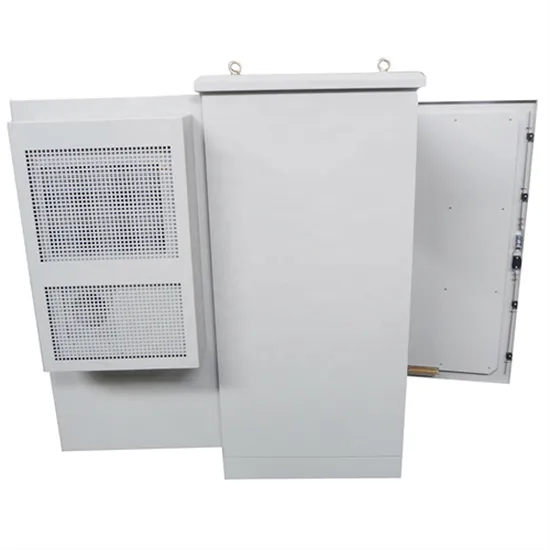
Most telecom base stations use 48V battery systems, while some legacy or hybrid sites may have 24V configurations. Lithium systems can be integrated into these architectures with proper BMS and charge control, providing longer life, reduced weight, and lower maintenance. . Lithium iron phosphate (LiFePO₄) batteries are increasingly adopted for telecom base stations because they provide: Unlike hobby-grade LiPo batteries, LiFePO₄ systems include integrated battery management systems (BMS) that prevent overcharging, overdischarge, and thermal runaway. For a deeper. . EverExceed's advanced LiFePO₄ battery solutions are designed to fully meet these demanding technical requirements, ensuring reliable power supply for 5G networks under diverse operating conditions. The required battery capacity for a 5G base station is not fixed; it depends mainly on station power. . Long Cycle Life LiFePO4 batteries can achieve over 2,000 cycles, and in some cases up to 5,000 cycles, far surpassing the 300–500 cycles of lead-acid batteries. This translates to lower replacement frequency and maintenance costs. Modular Design: A modular structure. .
[PDF Version]
 MENU