
-
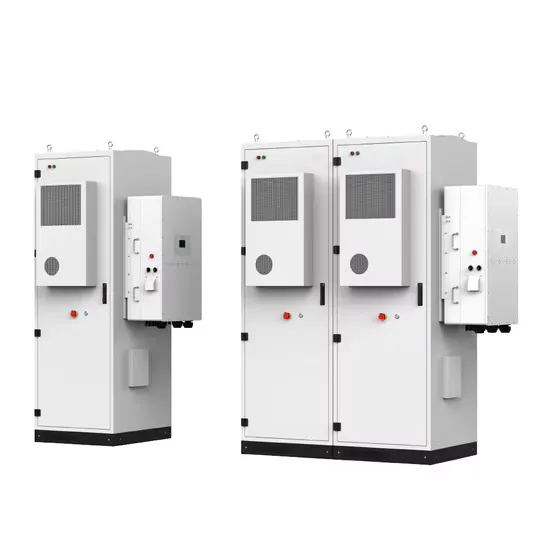
Future Energy Storage System Development Trend
Will growth continue to accelerate in the Middle East and Europe, where government-led tenders support new additions? Drawing on unique insight from Wood Mackenzie Lens Energy Storage, our new report sets out Five trends to look for in global energy storage in 2026. . At COP29, world leaders recognized this potential by setting an ambitious target: we need 1,500 GW of storage capacity by 2030—a six-fold increase from today's levels. “Energy storage is the fundamental building block of a. . Executive Summary: What are the Top 10 Energy Storage Trends in 2026 & Beyond? The energy storage market is projected to grow to USD 5. 7% by 2034, nearly seven times its current value. The top trends in energy storage are: AI Integration – Falling battery pack prices. . Installations passed 100 GW for the first time – a milestone achieved even as some of the largest energy markets grappled with significant policy shifts. Replacing fossil fuel-based power generation with power generation from wind and solar. . Breakthroughs in battery technology are transforming the global energy landscape, fueling the transition to clean energy and reshaping industries from transportation to utilities. With demand for energy storage soaring, what's next for batteries—and how can businesses, policymakers, and investors. .
[PDF Version]
-
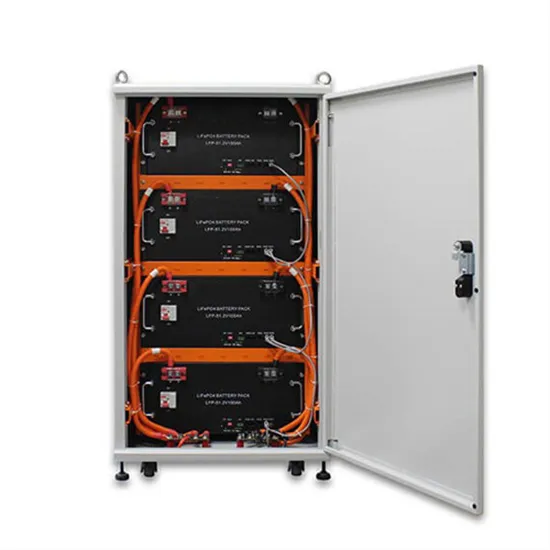
Stacked home energy storage products
Discover how stacking home energy storage systems can optimize costs and energy efficiency. This guide explores pricing trends, technical innovations, and real-world applications for residential users seeking sustainable power solutions. By layering battery cells to maximize energy density and improve reliability, this innovative design has become a cornerstone of modern renewable. . This modular design of stacked battery pack, a prime example of efficient lithium battery stack technology, can extend the battery energy to 45 kWH in parallel, providing superior energy storage and cycle life performance. Each unit can be stacked vertically, allowing capacity upgrades without complex wiring or extra space requirements.
[PDF Version]
-
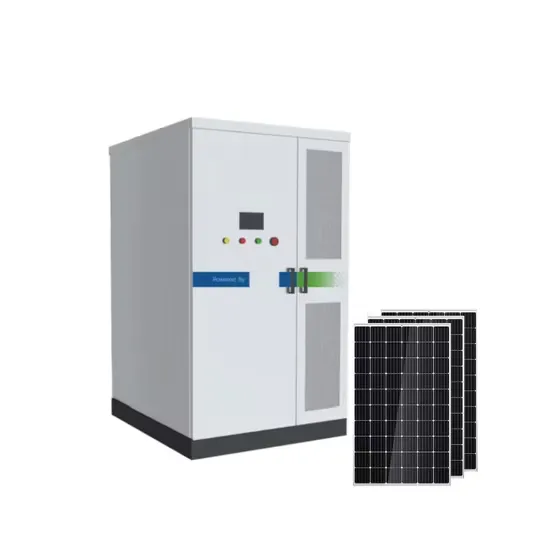
Quality of off-grid solar energy storage cabinet hybrid products for subways
This review examines the role of energy storage within HRESs by systematically comparing electrochemical, mechanical, thermal, and hydrogen-based technologies in terms of technical performance, lifecycle cost, operational constraints, and environmental impact. Designed for medium-scale applications, it offers a reliable and efficient solution for. . Hybrid Renewable Energy Systems (HRESs) are a practical solution for providing reliable, low-carbon electricity to off-grid and remote communities. The ELECOD Outdoor Cabinet Energy Storage System (Air-Cooled) is a highly efficient and scalable energy storage solution, designed for use in microgrid. . Discover AZE's advanced All-in-One Energy Storage Cabinet and BESS Cabinets – modular, scalable, and safe energy storage solutions. Customized hybrid power cabinets combining PV, storage, and diesel for telecom base stations and critical infrastructure.
[PDF Version]
-
Specifications of a 1mw photovoltaic energy storage cabinet for collaborative products
04 MWh lithium iron phosphate battery pack carried by a 20-foot prefabricated container with dimensions of 6058 mm x 2438 mm x 2896 mm. Each energy storage unit has a capacity of 1044. 48 kWh, and the actual capacity configuration of the system is 1000. . The MEGATRON 1MW Battery Energy Storage System (AC Coupled) is an essential component and a critical supporting technology for smart grid and renewable energy (wind and solar). 2、The technology is mature and stable through inspection and testing by many stakeholders. 3、Multi-scenario application, flexible configuration and. . 1 MWh and construction scale of 1 MW/1 MWh. The cabinet is integrated with battery management system (BMS),energy management system (EMS),modular power conversion system (PCS),and fire protection system.
[PDF Version]
-
Energy storage for renewable energy guyana
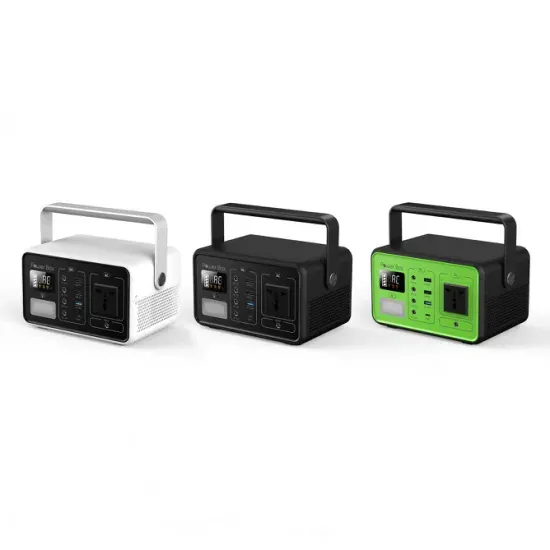
Summary: As Guyana accelerates its transition to renewable energy, photovoltaic (PV) energy storage batteries have emerged as a game-changer. This article explores how solar battery systems address energy challenges, showcase real-world applications, and unlock sustainable growth. . This report provides a comprehensive, evidence-based assessment of these claims, examining the current state of renewable energy projects in Guyana across four key areas: biomass, wind, hydropower, and large-scale solar farms. President Ali's claim of investing in biomass is supported by limited. . Guyana has unveiled a new 0. 65 MW grid-forming solar project, paired with a 1,500 kWh battery energy storage system (BESS) and a 13. The hybrid project in Mahdia, Potaro-Siparuni, also includes a 1,500 kWh. . In a decisive move towards sustainable development, the Government of Guyana has launched a state-of-the-art solar farm on Wakenaam Island, Region Three—an initiative poised to redefine its energy landscape and catalyze economic growth. The facility is expected to surpass the island's energy needs. 5 MW utility-scale solar PV plant at Bartica,Region Seven (Cuyuni-Mazaruni) in March 2023.
[PDF Version]
-
Review of solar energy storage cabinet hybrid products for marine use
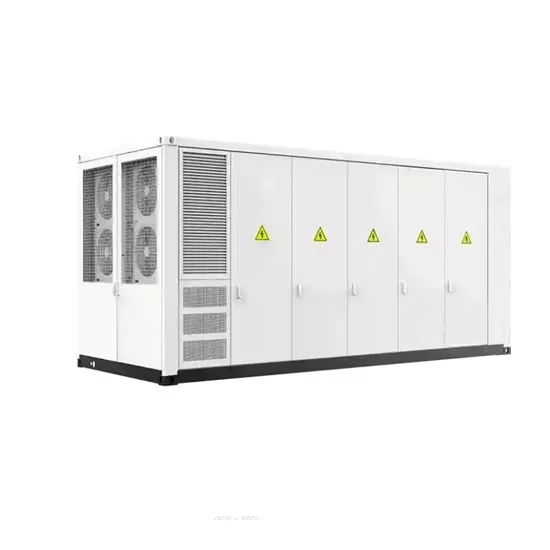
This study bridges this gap directly by proposing a generic hybrid battery energy storage system (HBESS) design and evaluation framework in full-electric marine applications that accounts for the key design requirements in the system topology conceptualization phase. . Clean Marine Switchboards has developed and delivered an integrated energy grid system that help ships reduce emissions and to run their propulsion systems fully electric or in a hybrid mode. The design. . In 2025, the maritime industry is embracing a new era of clean, autonomous operation through the adoption of hybrid energy systems. Designed to combine multiple renewable sources—such as solar, wind, wave energy, and hydrogen fuel cells—these systems are transforming how off-grid marine vessels. . ABS has developed a series of Requirements for hybrid electric technologies (Lithium-ion Batteries Requirements, Supercapacitor Requirements, Fuel Cell Power Systems Requirements, DC Power Distribution Requirements).
[PDF Version]
 MENU