
-
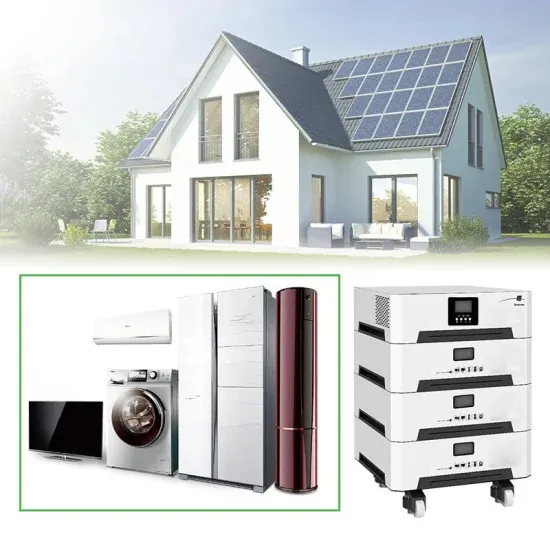
Communication base station wind-solar hybrid inverter power supply process
This article explores the integration of wind and solar energy storage systems with 5G base stations, offering cost-effective and eco-friendly alternatives to traditional power sources. . What are the components of PV and wind-based hybrid power system?PV and wind-based hybrid power system mainly consists of 3 parts (Yu & Qian, ): (i) wind power generation system (which includes a wind turbine, generator, rectifiers and converters), (ii) PV power generation system, and (iii). . To provide a scientific power supply solution for telecommunications base stations, it is recommended to choose solar and wind energy. This will provide a stable 24-hour uninterrupted power supply for the base stations. Abstract: Due to dramatic increase in power. . Can EMC communicate with a 5G network?However, the communication operator builds the BS to complement the 5G signal, and the establishment of a communication BS does not mean the establishment of a dedicated power wireless network. EMC can also communicate by accessing a normal 5G network but at a. . Nanjing Oulu Electric independently developed and manufactures a modular wind-solar hybrid power generation system designed for communication base stations. This system is composed of sensors, actuators, and a.
[PDF Version]
-
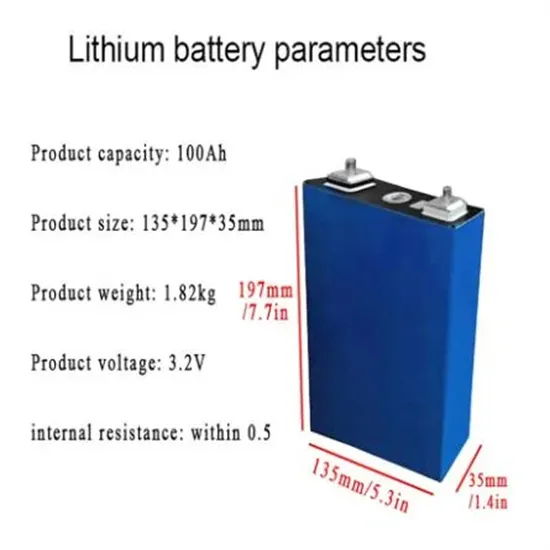
Communication base station hybrid energy access hybrid power supply
Hybrid energy solutions enable telecom base stations to run primarily on renewable energy sources, like solar and wind, with the diesel generator as a last resort. This reduces emissions, aligns with sustainability goals, and even opens up opportunities for carbon credits or green. . Enter hybrid energy systems—solutions that blend renewable energy with traditional sources to offer robust, cost-effective power. So, how exactly are hybrid systems revolutionizing energy for telecom infrastructure? What Are Hybrid Energy Systems? A hybrid energy system integrates multiple energy. . Mar 22, 2023 · The power consumption of the RF PA in wireless communication base stations are too large and the efficiency of RF PA is too low. In this paper, a new hybrid ET power supply. The standard configuration comprises six core. . The Telecom Base Station Intelligent Grid-PV Hybrid Power Supply System helps telecom operators to achieve "carbon reduction, energy saving" for telecom base stations and machine rooms. Considering the advantages of photovoltaic power generation, we introduce photovoltaic power generation systems into. .
[PDF Version]
-
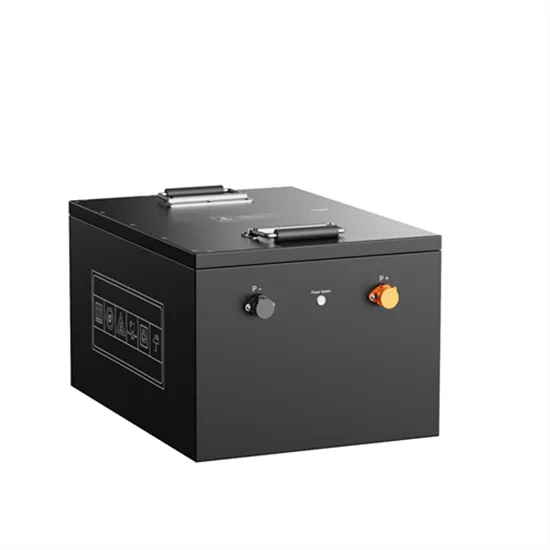
Communication base station backup power supply switching
This article will explore in detail how to secure backup power for telecom base stations, discussing the components involved, advanced technologies, best practices, and future trends to ensure continuous operation and resilience in the face of disruptions. Telecom base stations are often installed. . The core of a backup power system lies in power supply duration and load matching.
[PDF Version]
-
Communication base station wind power supply host
This article explores the integration of wind and solar energy storage systems with 5G base stations, offering cost-effective and eco-friendly alternatives to traditional power sources. To address this, a collaborative power supply scheme for communication base station group is proposed. If all of the channel capacity of a BS is occupied, a user cannot access this BS and must instead access another BS that is farther away. Can. . Hybrid energy solutions enable telecom base stations to run primarily on renewable energy sources, like solar and wind, with the diesel generator as a last resort.
[PDF Version]
-
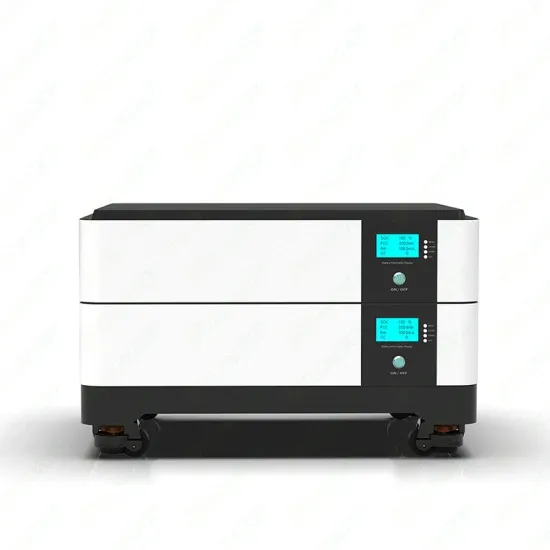
BTS in uninterruptible power supply of communication base station
In this design, combination of AC mains and renewable energy has been developed to serve as a stable yet inexpensive uninterruptable power supply for 48V base transceiver station (BTS) targeted for 2G network signal transmission. . A base transceiver station (BTS) or a baseband unit[1] (BBU) is a piece of equipment that facilitates wireless communication between user equipment (UE) and a network. UEs are devices like mobile phones (handsets), WLL phones, computers with wireless Internet connectivity, or antennas mounted on. . In modern telecom networks, ensuring uninterrupted connectivity is critical. The term “communication batteries” is often used ambiguously online, leading to confusion among operators, technicians, and early-stage buyers. Why do cellular base stations have backup batteries? [.
[PDF Version]
-
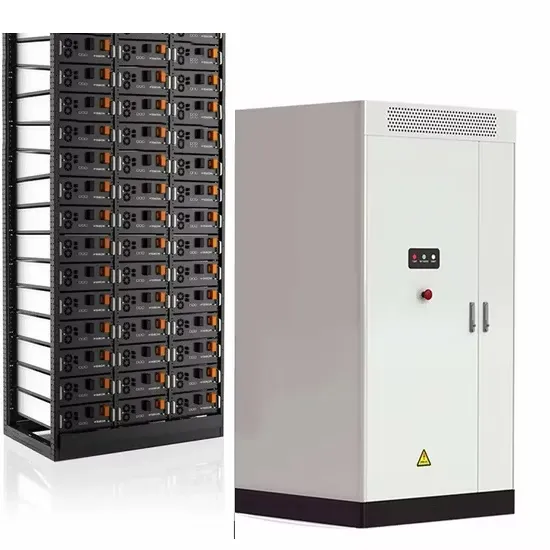
Communication base station power supply solar energy
Communication base stations consume significant power daily, especially in remote areas with limited access to traditional electricity grids. Here's where solar energy systems come into play. By installing PV and solar setups, companies can reduce grid dependency and ensure. . As global energy demands soar and businesses look for sustainable solutions, solar energy is making its way into unexpected places—like communication base stations. Why Sol Summary: Discover how solar energy solutions are transforming communication infrastructure, reducing operational costs, and enabling connectivity in remote. . The communication base station installs solar panels outdoors, and adds MPPT solar controllers and other equipment in the computer room. The Five Core Advantages of EverExceed Telecom Base Station. . For base stations located in deserts or other extreme environments, independent power supply is essential, as these areas are not only beyond the reach of power grids but also unsuitable for fuel generators due to the lack of on-site personnel for maintenance.
[PDF Version]
 MENU