
-
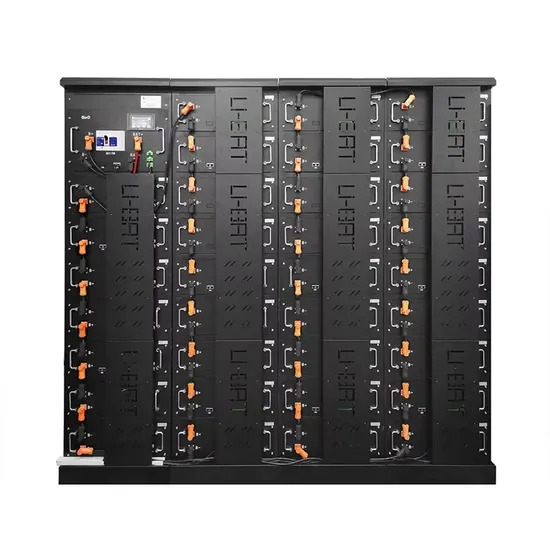
How many watts does a 12v 180 amp solar container lithium battery pack have
A 180 Ah battery has 720-watt hours (Wh) of energy. However, it is important to note that the actual amount of power that a battery. . Understanding your 12V battery type (lead-acid, lithium-ion, or NiCd) is crucial for selecting the right solar setup and ensuring efficient charging. Battery capacity, measured in amp-hours, directly impacts how much solar wattage is required to fully charge a battery within a given timeframe. Let's clear some things up first: When we ask about 12V watts, we actually mean watt-hours. Days of Backup: Input the number of days your system needs to provide backup power.
[PDF Version]
-
Power battery and solar container battery charging requirements
Regular chargers often lack compatibility with the necessary charging profiles for solar batteries. This can create inefficiencies and safety risks. For lithium-ion. . Charging typically requires between 12 to 48 volts, depending on the battery type, 2. The question regarding the voltage needed to charge a solar battery can be answered by examining several key aspects. Deployed in under an hour, these can deliver anywhere from 20–200 kW of PV and include 100–500. . An overview of the relevant codes and standards governing the safe deployment of utility-scale battery energy storage systems in the United States. [CGD 94-108, 61 FR 28277, June 4, 1996] § 111. (b) Each fully charged lead-acid battery must have a specific gravity that. . NFPA 70E ®, Standard for Electrical Safety in the Workplace®, Chapter 3 covers special electrical equipment in the workplace and modifies the general requirements of Chapter 1. The chapter covers the additional safety-related work practices necessary to practically safeguard employees against the. . The 2022 Building Energy Efficiency Standards (Energy Code) has battery storage system requirements for newly constructed nonresidential buildings that require a solar photovoltaic (solar PV) system (2022 Nonresidential Solar PV Fact Sheet).
[PDF Version]
-
Can 12v solar container lithium battery be used as solar container outdoor power
While some solar batteries can be installed outdoors, the feasibility depends on your battery type—with lithium-ion being more resilient than temperature-sensitive lead-acid—and requires careful attention to climate, local regulations, weatherproof shielding, and. . While some solar batteries can be installed outdoors, the feasibility depends on your battery type—with lithium-ion being more resilient than temperature-sensitive lead-acid—and requires careful attention to climate, local regulations, weatherproof shielding, and. . My go-to has been the PawwJoy Waterproof Battery Box Replacement Case for 12V/24V. It's compact, tough, and designed specifically for outdoor use. From my. . Solar batteries, also known as solar energy storage systems or solar battery storage, are devices that store excess electricity generated by solar panels (photovoltaic or PV panels). I was thinking of building something with cinder blocks and put siding and a roof on it. Some time ago there was a discussion on the forum from someone using the large. . AZE Systems is a leader in the design and manufacturing of high-quality enclosures for solar battery systems. Temperature Guidelines: Most solar batteries, particularly lithium-ion, function best between 32°F (0°C) and 95°F. .
[PDF Version]
-
Silver ion battery solar container outdoor power
The container holds 20 solar panels, with capacity to integrate an additional 40-panel ground or roof array for a total of up to 60 panels (24,000W DC). 2 kWh lithium battery banks, and automatically orchestrates power flow between solar . . RPS supplies the shipping container, solar, inverter, GEL or LiFePo battery bank, panel mounting, fully framed windows, insulation, door, exterior + interior paint, flooring, overhead lighting, mini-split + more customizations! RPS can customize the Barebones and Move-In Ready options to any design. . Off-Grid Solar Containers transforms 20-foot shipping containers into complete, turnkey electricity generators—engineered for the places where conventional infrastructure can't reach, and built for those who refuse to compromise on reliability. Born from years of solar expertise at Danger Electric. . A mobile solar container is a self-contained, transportable solar power unit built inside a standard shipping container. With the global push for off-grid solutions in agriculture, construction, disaster relief, and remote infrastructure, the demand for. .
[PDF Version]
-
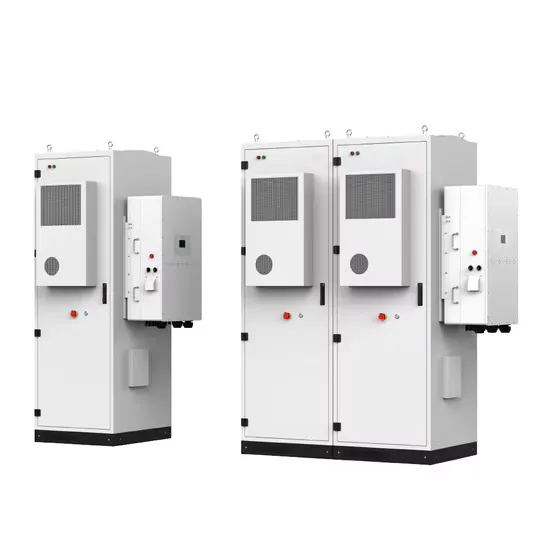
Semi-solid solar container lithium battery solar container outdoor power
Folding PV arrays in the container — capture sunlight efficiently, designed for quick deployment and durable outdoor operation. Lithium battery modules and a battery management system for energy storage — support night-time power, peak shaving, and safe. . Off-Grid Solar Containers transforms 20-foot shipping containers into complete, turnkey electricity generators—engineered for the places where conventional infrastructure can't reach, and built for those who refuse to compromise on reliability. Born from years of solar expertise at Danger Electric. . RPS supplies the shipping container, solar, inverter, GEL or LiFePo battery bank, panel mounting, fully framed windows, insulation, door, exterior + interior paint, flooring, overhead lighting, mini-split + more customizations! RPS can customize the Barebones and Move-In Ready options to any design. . MOBIPOWER containers are purpose-built for projects where energy demands go beyond what a trailer can deliver. Designed to meet the growing demand for sustainable and mobile power, especially. . Fully integrated from cells to cabinets, Providing premium energy storage solutions for businesses in the U. What are the main features of Highjoule's commercial and industrial energy storage systems? Highjoule's C&I storage systems feature integrated design with lithium battery. .
[PDF Version]
-
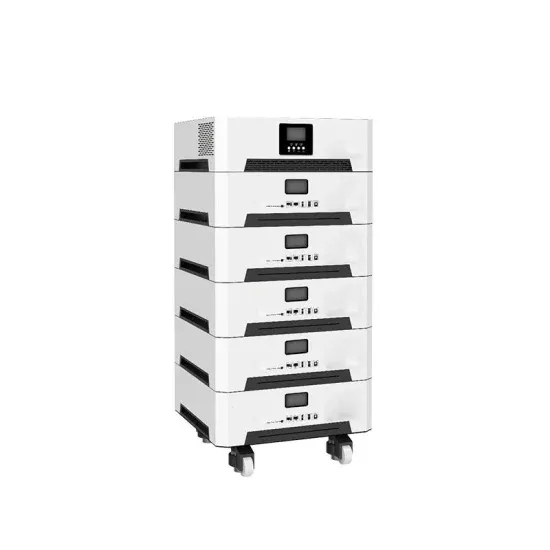
Is 4 kWh of solar container outdoor power enough for RV
On average, a solar generator with a 1kWh - 2kWh capacity is enough to run essential camper appliances for hours. . These are realistic “starting points” for most RV travelers. Your exact number depends on where you camp, shade, season, and how much battery you have. 200–300W 400–600W 700–900W 1000W+ 200–300W: light use + topping off batteries (lights, phones, fans, some laptop time). 400–600W: the “sweet spot”. . Follow these simple steps to determine how much power, on average, you consume in a day: Step 1: Settle out in the boondocks for a couple of days and use your RV as you normally would—don't try to conserve power any more than you usually would, and don't use your generator. Step. . Adding solar power to your RV not only helps the environment by cutting fossil fuel use but also extends your ability to be off grid. Solar panels on your RV roof capture sunlight and turn it into electricity, giving you freedom to boondock (camp without hookups) for days. If you want to use AC power (think normal household plugs), you will need to add an inverter to your. .
[PDF Version]
 MENU